Cost of a House Extension in Canada in 2026
By Editorial Team
Updated on October 7, 2026
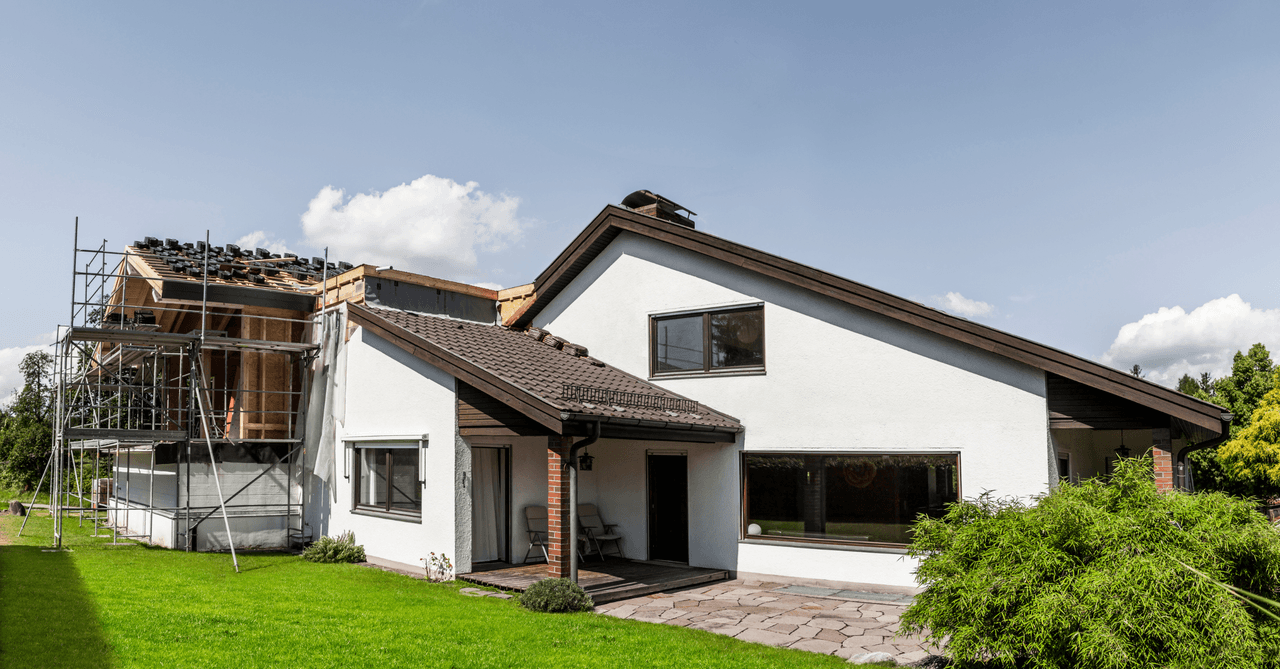
Is your home becoming too small, but you don’t want to move? Adding a room, expanding the kitchen, or building an additional storey can help you gain space while adapting your property to your needs.
But how much does a house extension cost in Canada in 2026? The price depends on the added square footage, extension type, foundation, existing structure, materials, and the required plumbing or electrical work. For many projects in Quebec and elsewhere in Canada, you should budget between $200 and $500/sq. ft., although some types of extensions may fall above or below this range.
Here are the main prices and expenses to consider before requesting quotes.
How Much Does a House Extension Cost in 2026?
Type of Extension | Estimated Price |
Side extension or addition | $200 to $500/sq. ft. |
Storey addition | $250 to $450/sq. ft. |
Extension on piles | $200 to $400/sq. ft. |
Basement excavation or lowering | $60 to $100/sq. ft. |
Basement finishing | $70 to $100/sq. ft. |
Two-storey extension, first level | $360 to $480/sq. ft. |
Two-storey extension, second level | $210 to $240/sq. ft. |
Complete extension project | often $100,000 to $300,000 or more |
These amounts are estimates and can vary across Quebec and the rest of Canada. The actual price can vary considerably depending on the house's specifics and characteristics, the property, the municipality, access to the worksite, the materials, and the work required to connect the extension to the existing building.
Small extensions also tend to cost more per square foot. Several fixed expenses, such as plans, site mobilization, foundations, and certain structural work, still have to be covered even when the added square footage is limited.
How to Calculate a House Extension Budget
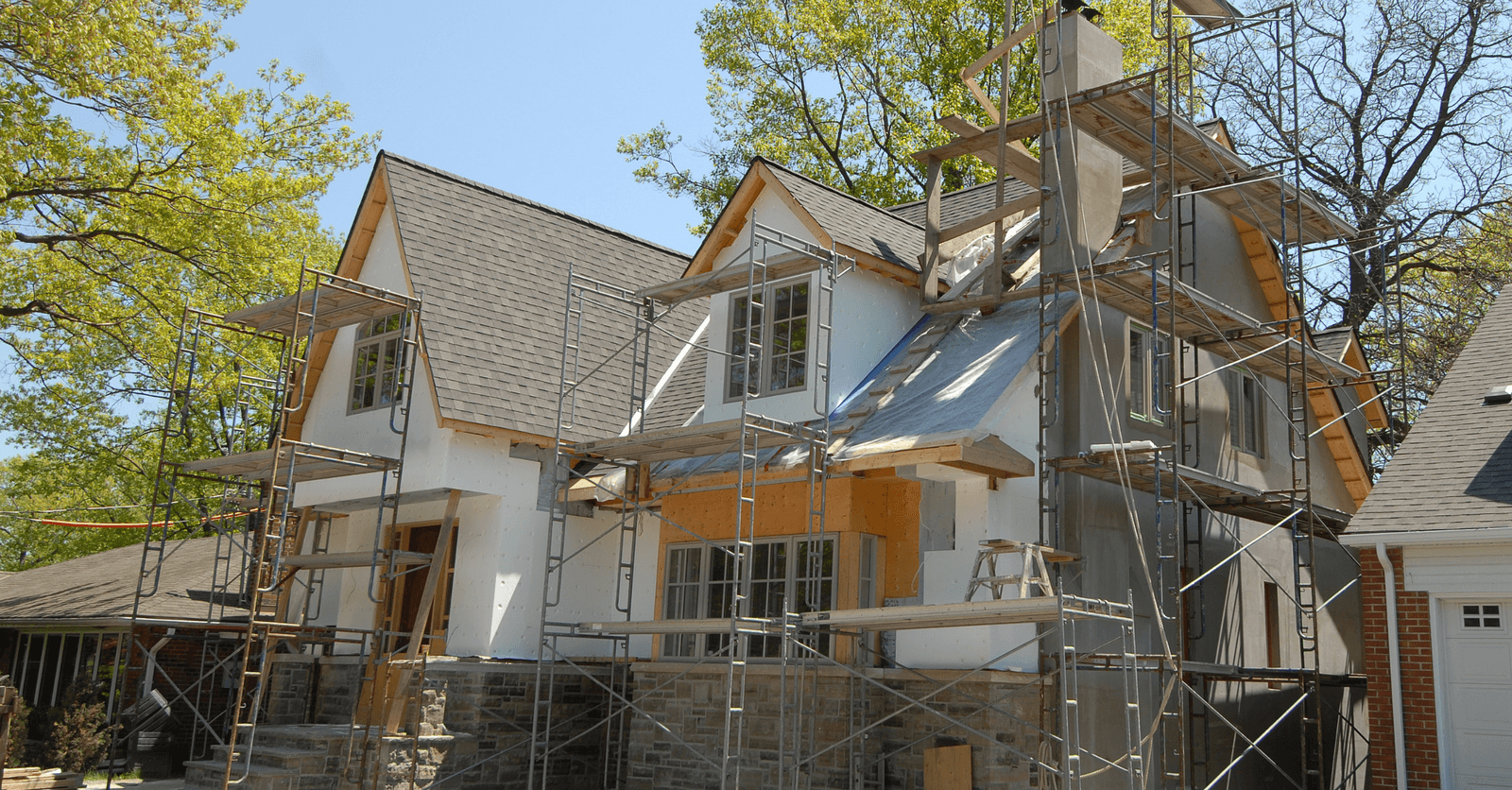
Source: Canva
An initial estimate can be calculated using the following formula:
Extension square footage × approximate price per sq. ft. = estimated construction cost
For example, a 300 sq. ft. extension at $300/sq. ft. would cost approximately:
300 sq. ft. × $300 = $90,000
Then, add the following if excluded from the quote:
Plans and professional services
Permits
Required soil studies or inspections
Foundation work
Modifications to the existing house
Plumbing and electrical work
Heating and ventilation
Connections
Finishing work
Contingencies
Ideally, include an additional budget margin for changes or underlying issues discovered during the work.
Project Costs Based on Extension Type
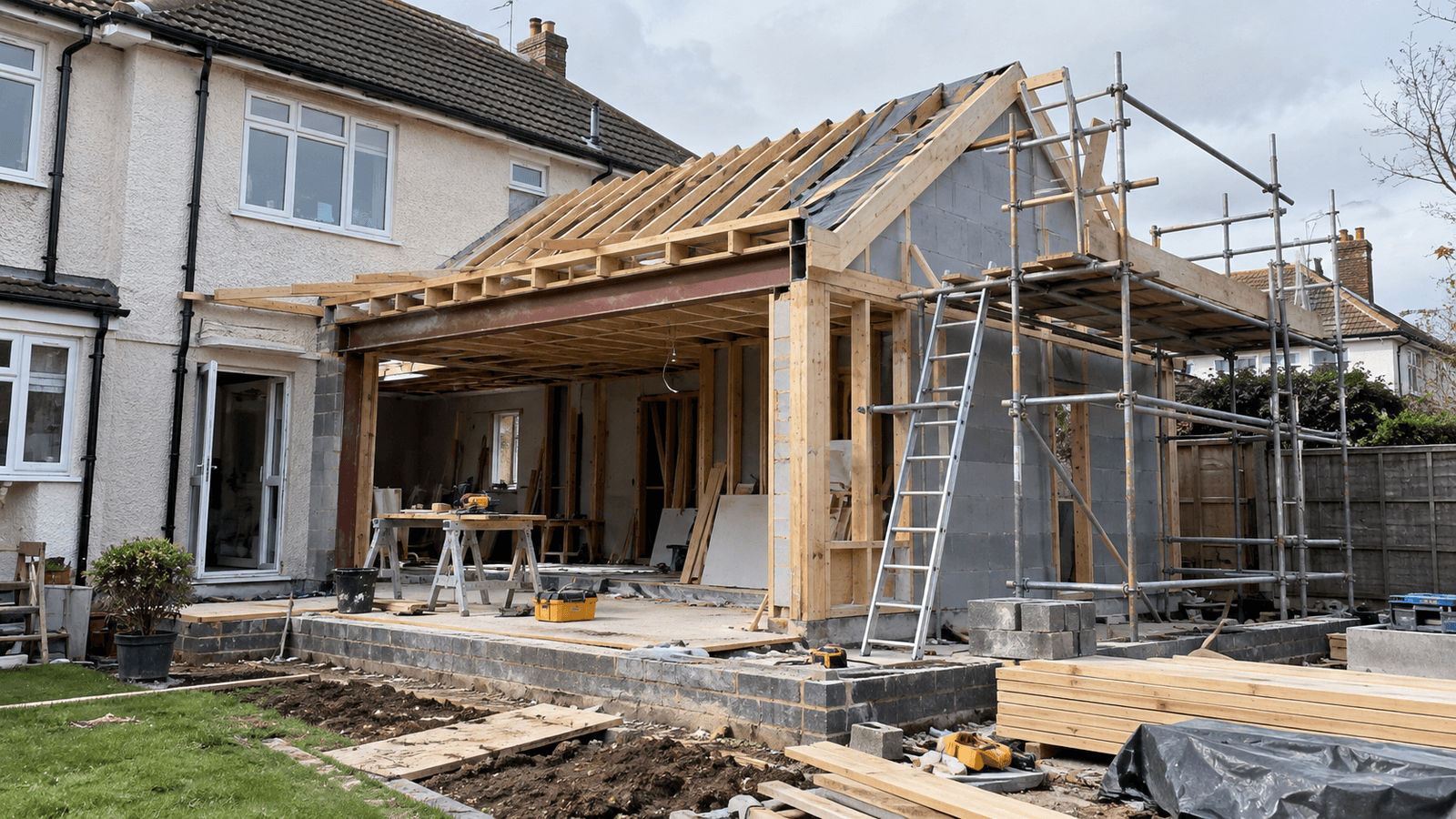
Source: RenoQuotes
Side Extension or Addition
A side extension involves building a new section directly against one of the home’s exterior walls. In 2026, you should generally budget between $200 and $500/sq. ft., depending on the project and local market. The price varies based on several factors, such as foundation type, the number of storeys, the added square footage, the number of windows, and the rooms being built.
An extension that includes a kitchen or bathroom will normally cost more than a similarly sized bedroom or living room because of the required plumbing, electrical, and ventilation work.
Storey Addition
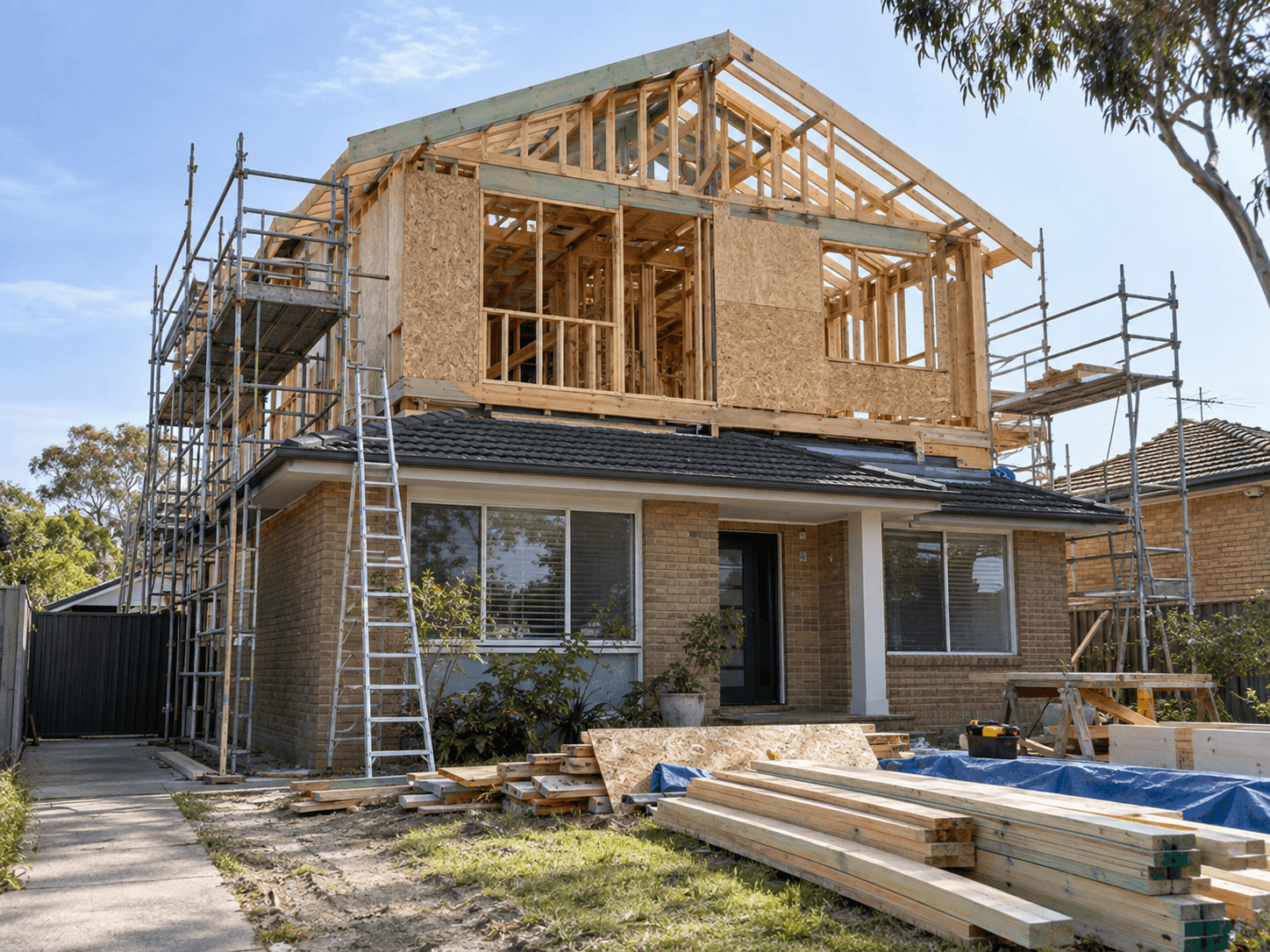
Adding a storey can significantly increase your living space without reducing the size of your property. However, this is a major structural project. In 2026, budget approximately $250 to $450/sq. ft., depending on the house, local construction costs, and the complexity of the work.
Before starting the project, a professional must determine, among other things, whether the existing structure and foundation can support the additional weight.
The work may include:
Removing the roof
Reinforcing the structure
Building the new storey
Installing a new roof
Adding a staircase
Relocating or extending mechanical systems
Modifying the exterior walls
Two-Storey Extension
Building two levels at the same time can help distribute certain fixed costs over a larger area. As a general Canadian guideline, the first level may cost approximately $360 to $480/sq. ft., while the second may cost around $210 to $240/sq. ft., with actual prices varying by region.
The first level is generally more expensive because it requires the foundation and the work needed to support the entire new structure.
Extension on Piles
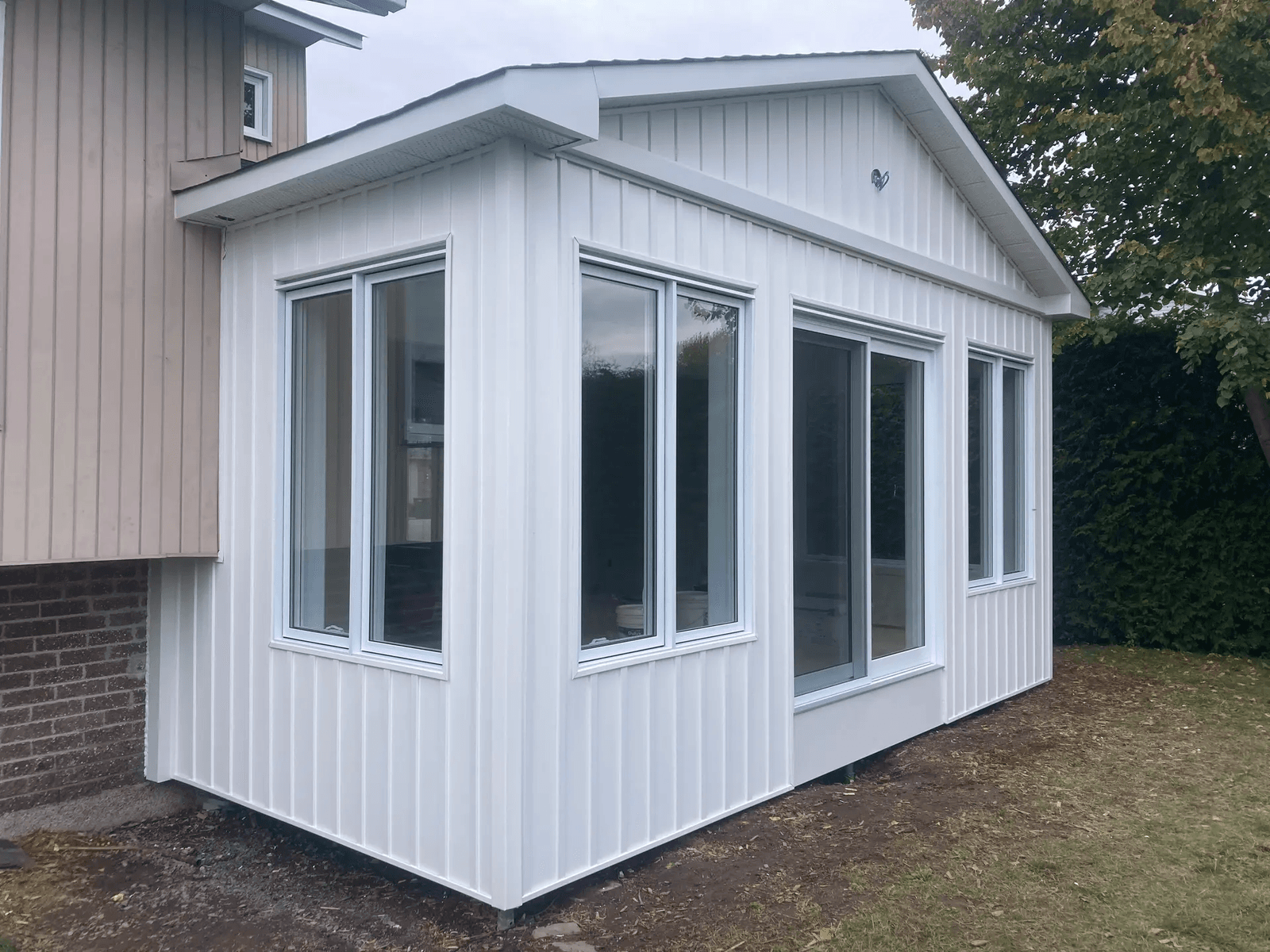
An extension on piles may be considered for certain properties and types of additions. In Quebec and elsewhere in Canada, the price may generally be around $200 to $400/sq. ft., without necessarily including equipment or specialized work associated with a bathroom or kitchen.
This solution may be suitable for certain highly glazed rooms or projects where a traditional foundation is not desirable. However, it requires proper floor, insulation, and airtightness design to maintain a good level of comfort during Canadian winters.
Expanding by Finishing or Excavating the Basement
In some cases, you can gain additional living space by working with the basement rather than building outward. Basement excavation or lowering can cost approximately $60 to $100/sq. ft. in Quebec and other Canadian markets, in addition to the finishing costs.
For basement finishing, budget approximately $70 to $100/sq. ft., depending on the materials, rooms being finished, and location in Canada. The work can become much more complex when modifications to the existing foundation are required.
What Factors Affect the Cost of a House Extension?
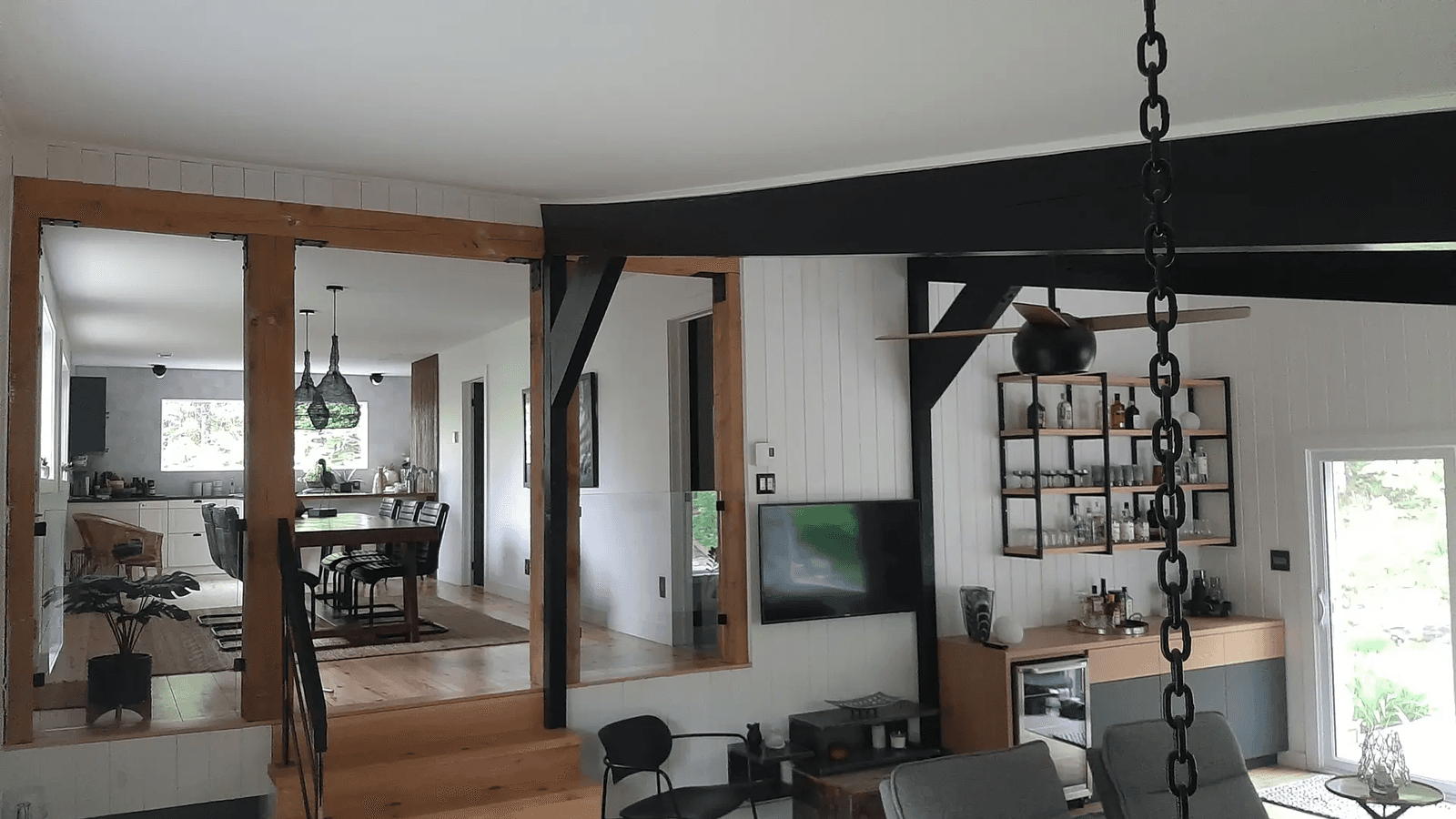
Source: Maisonfort inc
Square Footage
Square footage figures as one of the main cost factors. A larger extension requires more materials and labour, which increases the total budget.
However, the cost per square foot may decrease on some larger projects because several fixed expenses are spread across more square footage.
Foundation
An extension built on a conventional concrete foundation will not cost the same as a structure built on piles.
The soil type, required depth, machinery access, and characteristics of the existing foundation can also significantly affect the price.
Existing Structure
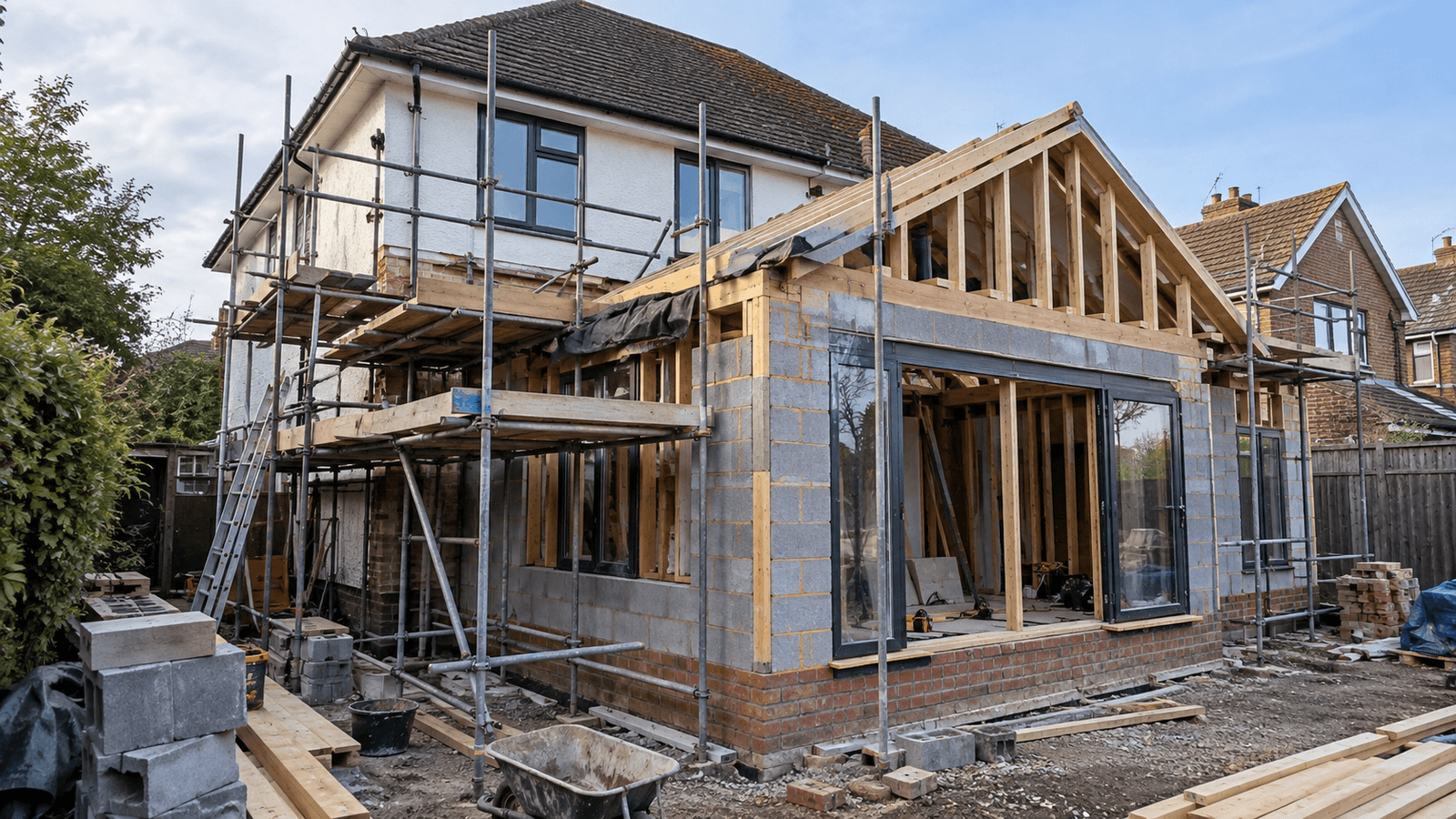
An extension must be integrated into the existing house.
Depending on the project, it may be necessary to:
Modify a load-bearing wall
Reinforce the foundation
Relocate an opening
Modify the roof
Add beams
Connect the new framing to the existing structure
The more extensive the structural modifications, the more expensive the project is likely to be.
Rooms Being Added
Adding a bedroom is not the same as adding a kitchen or bathroom. A room requiring plumbing, additional electrical work, ventilation, or specialized equipment will generally increase the cost per square foot.
Materials and Finishes
The choice of exterior cladding, windows, flooring, cabinets, plumbing fixtures, and other finishes directly affects the final price. High-end materials can quickly add several thousand dollars to the budget.
Architectural Style
A simple rectangular shape will generally be easier to build than an extension with several angles, large glazed openings, or a complex roof. You must also ensure that the extension integrates properly with the property’s existing architecture.
Worksite Access
A property with difficult access can complicate excavation, material transportation, or the use of heavy machinery. These constraints can increase the amount of labour required and, consequently, the cost of the work.
What Additional Costs Should You Plan For?
Source: Les Habitations Privilège inc.
The price per square foot does not always represent the entire budget. Depending on your project, you may also have to pay for:
Plans and professionals: An architect, architectural technologist, or engineer may be required to prepare the plans or validate certain structural components.
Building permits: City authorization is generally required for house extension projects. Requirements, required documents, and fees vary from one city to another.
Plumbing and electrical work: Adding a kitchen or bathroom generally requires new connections. An extension may also require modifications to the electrical panel or existing systems.
Heating and ventilation: The existing system must have enough capacity to serve the new space. It may be necessary to add ducts, equipment, or a separate system.
Building modifications: A significant portion of the cost of an extension often comes from the connection between the old and new sections of the building. This can include the roof, exterior cladding, walls, floors, openings, and mechanical systems.
House Extension Checklist
Source: RenoQuotes
Before determining the exact size of your extension, check with your municipality.
Zoning regulations may impose restrictions regarding:
Setbacks
Maximum building height
Lot coverage
Distance from neighbouring properties
Extension location
Certain architectural choices
It is best to verify these restrictions before investing in detailed plans.
What Types of House Extensions Are the Most Worthwhile?
Source: RenoQuotes
There is no single ideal solution for every house.
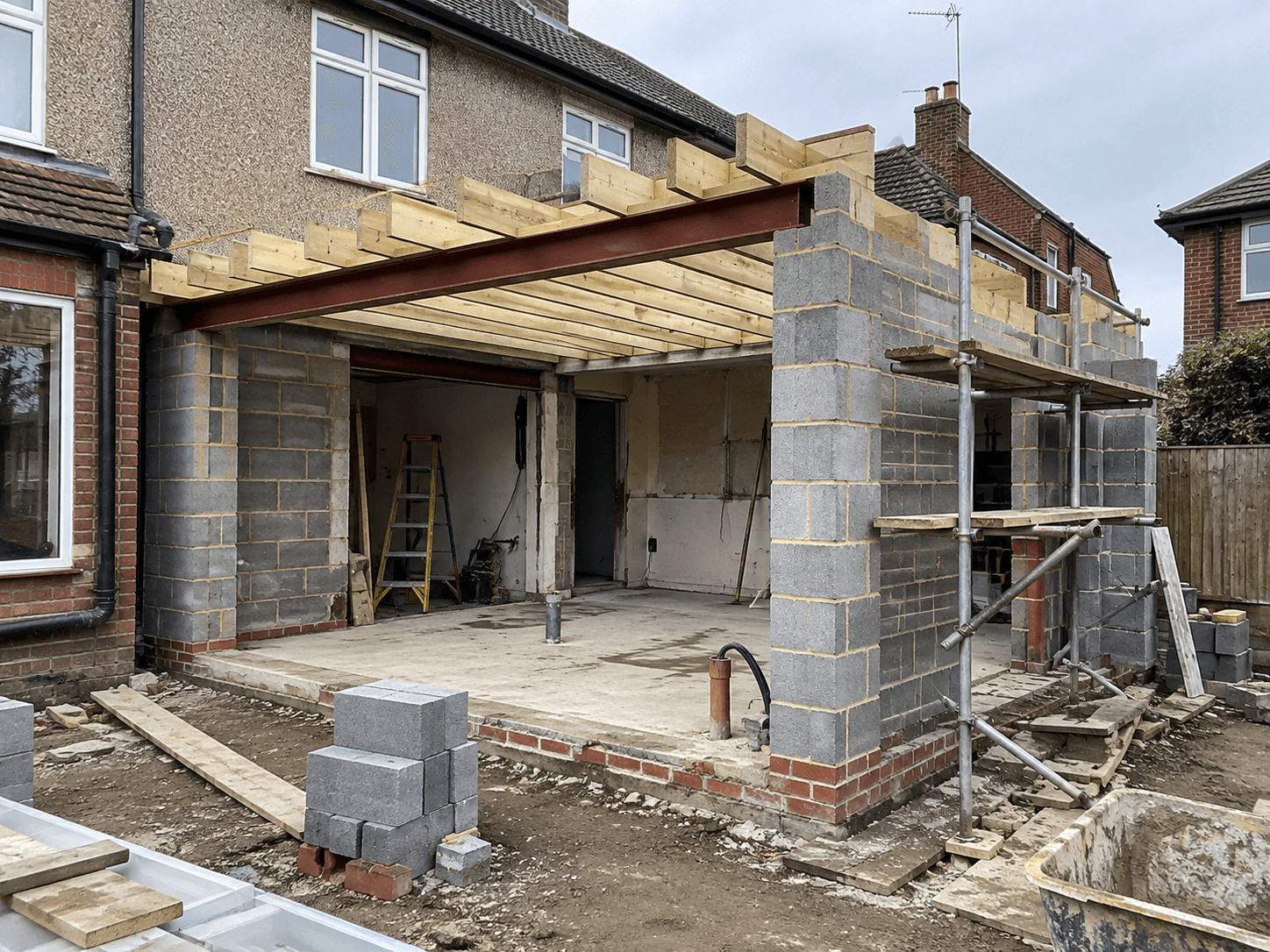
Extension above a garage: When an existing garage and its structure can support the project, building above it can provide additional space without reducing the size of the yard. However, the structure must be evaluated before work begins.
Cantilevered extension: A small cantilevered extension can provide a few additional feet without requiring a full foundation. This option is best suited to limited-size extensions and must be designed according to the existing structure.
Rear extension: When the property and municipal regulations allow it, a rear extension can offer significant flexibility. However, it reduces the amount of available yard space.
When Is a House Extension Less Worthwhile?
Source: RenoQuotes
A project may become less financially attractive when the required structural modifications are particularly extensive or when the extension is difficult to integrate with the existing house. For example, adding a storey that requires major foundation reinforcement can significantly increase the budget.
You should also avoid designing an extension that completely alters the style of the property. Consistent architectural integration helps preserve the home’s appeal and value. When the cost of the project becomes comparable to the cost of a property that is better suited to your needs, it may be worthwhile to compare both scenarios before making a decision.
5 Things to Check Before Expanding Your House
Before jumpstarting your project:
Check zoning and municipal regulations.
Have the existing structure and foundation evaluated.
Determine the desired square footage and type of extension.
Assess the related work that will be required.
Compare materials and multiple quotes.
A well-defined project allows contractors to provide more accurate project estimates and makes it easier to compare quotes.
Get a Quote Tailored to Your House Extension Project
Prices per square foot are a good starting point, but costs can vary significantly between Quebec and other parts of Canada, and two extensions with the same square footage can have very different prices. The best way to determine your budget is to have your project assessed based on your house, property, location, and desired work.
Do you have a house extension project? Describe your project and get up to 3 free quotes from qualified contractors.
FAQ About House Extension Costs
How much should you budget to extend a house in Quebec?
For many types of extensions, budget approximately $200 to $500/sq. ft. in 2026. Prices can vary between Quebec and other Canadian markets depending on the type of construction, square footage, foundations, materials, and modifications required to the existing house.
How much does a 200 sq. ft. extension cost?
Using a range of $200 to $500/sq. ft., a 200 sq. ft. extension may cost approximately $40,000 to $100,000 based solely on this calculation method.
In practice, small projects may have a higher price per square foot because of fixed costs related to plans, foundations, site mobilization, and connections. Costs can also vary by region, so a detailed quote is necessary to obtain a realistic price.
How much does a 500 sq. ft. extension cost?
As a guideline, 500 sq. ft. calculated at between $200 and $500/sq. ft. represents approximately $100,000 to $250,000. The final price will depend in particular on the type of extension, the rooms being built, the work required on the existing house, and the local construction market.
What is the most expensive type of house extension?
Adding a storey can be among the most expensive options when it requires significant modifications to the roof, exterior walls, mechanical systems, or existing structure.
A side extension can also become very expensive if it requires major foundation work or includes a kitchen or bathroom.
Do you need a permit to extend a house in Quebec or elsewhere in Canada?
A building permit is normally required for a residential extension. However, the rules and required documents vary by municipality.
Contact your municipality before having the final plans prepared.
How long does it take to build a house extension?
The timeline depends on the square footage, project complexity, permits, structural work, and availability of professionals.
The construction itself can take several months, in addition to the time required for design, plans, approvals, and site preparation.
How do you choose a contractor for a house extension?
Check, among other things:
Applicable licence or contractor credentials required in your province
Liability insurance
Experience with comparable projects
References;
What is included and excluded from the quote
Expected timeline
Payment terms
Warranties offered
In Quebec, this includes checking the contractor’s RBQ licence and applicable subclasses.
Check out our go-to Home Extension Checklist to carry out your project successfully.
Looking for something else?
Related articles
The latest industry news, interviews, technologies, and resources.
Cynthia Pigeon
•13 Jul 2026
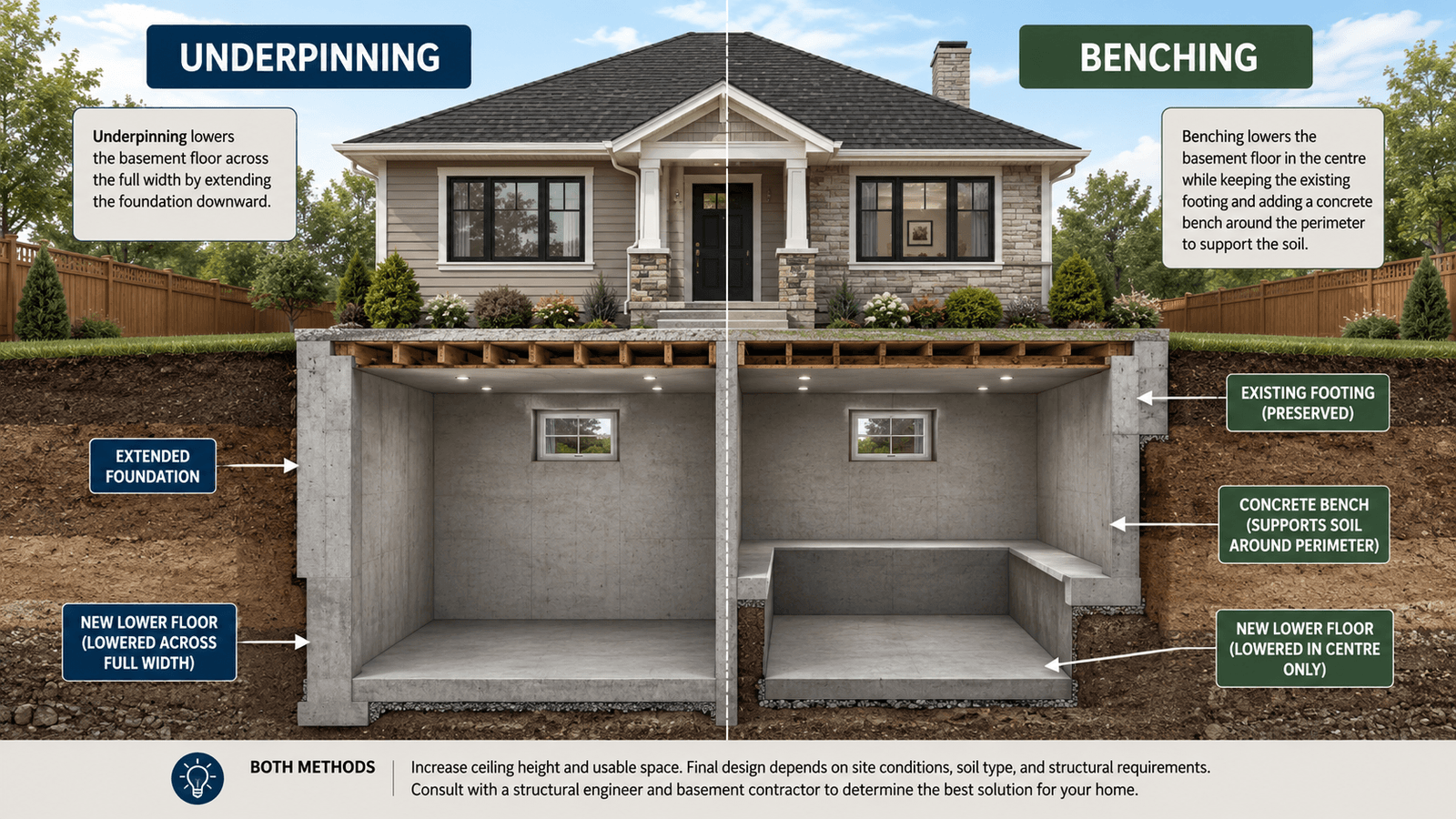
Urban densification and rising real estate prices in Quebec are encouraging more homeowners to make better use of the space they already have. In Montréal, Québec City, and Sherbrooke, many older properties have a crawl space or a very low basement with insufficient headroom for comfortable use.
Cynthia Pigeon
•30 May 2026
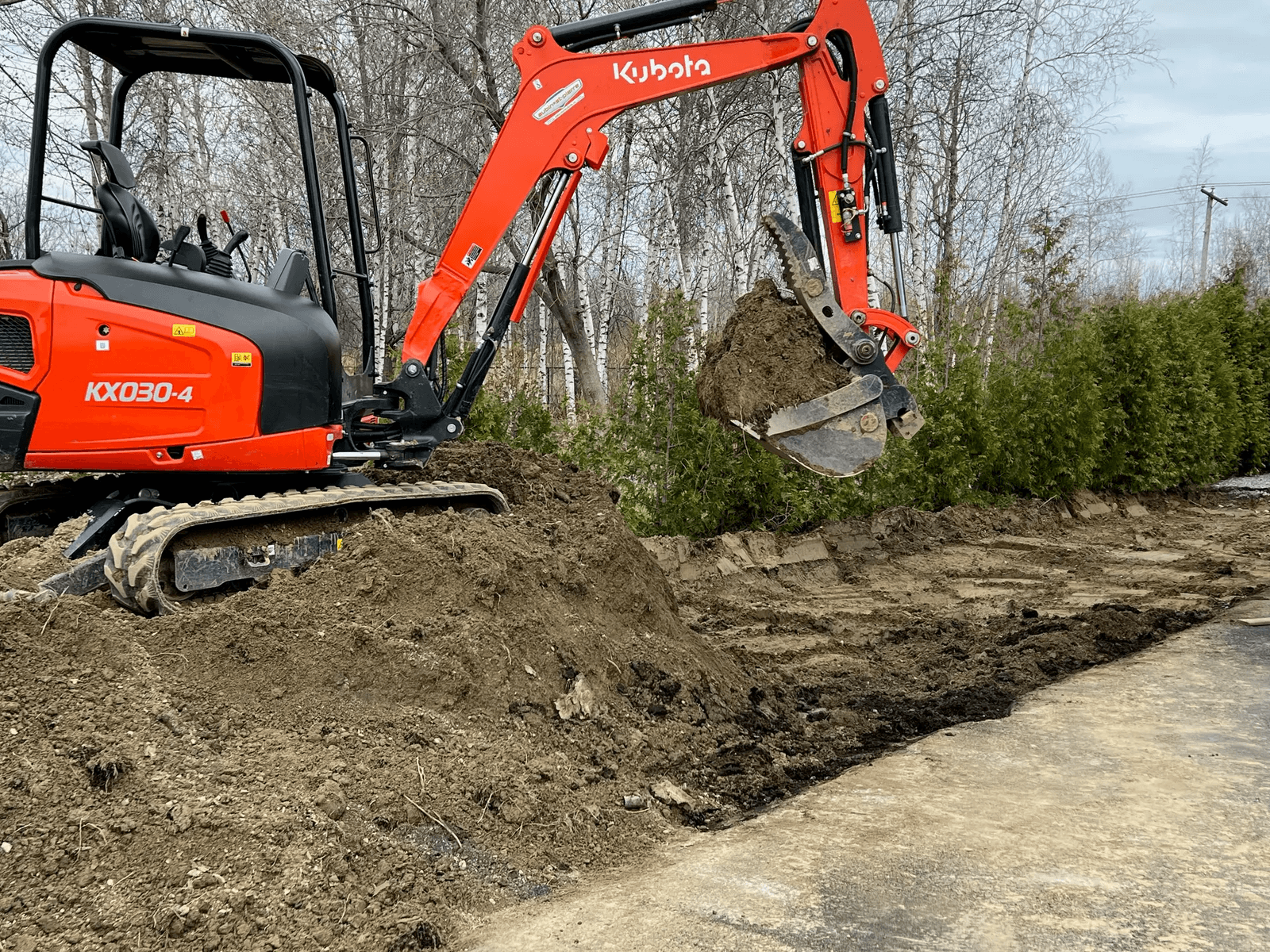
Quebec’s climate, combined with the presence of groundwater, iron-rich soils, and vulnerable drainage systems, can create favourable conditions for certain problems around foundations. Among the issues that can affect foundation drains, iron ochre is one of the phenomena to watch for, especially in areas where the soil and groundwater are rich in iron. This phenomenon can obstruct a property’s drainage system, encourage repeated water infiltration in the basement, and lead to costly damage if the problem is not corrected.
Editorial Team
•08 Nov 2023
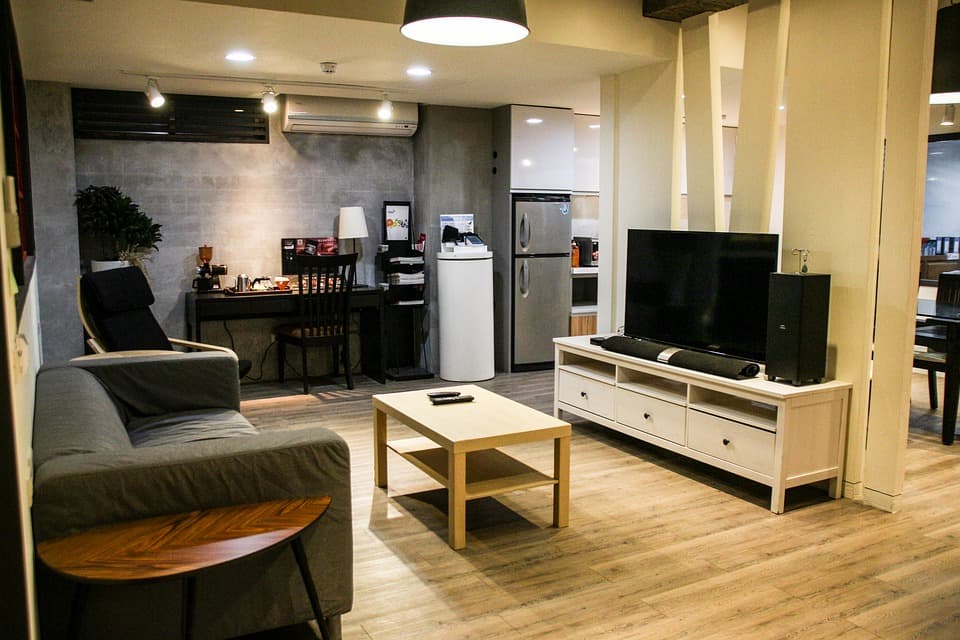
Everyone loves natural light as it pours into the home during spring, summer, fall or winter. However, not every house is lucky enough to be blessed with full sun and therefore, some rooms are left darker than others. Luckily, there are ways to work around living in a dark home with a few optical illusions and design tips that can help you redesign and rearrange for instant brightness.

Editorial Team
•28 May 2025
Transforming your deck or patio into a solarium means benefiting from the surrounding landscape without dealing with weather-related downsides. Whether the wind is blowing, rain is falling, or storms are veering their ugly heads, why deprive yourself of a beautiful view? To reap the benefits of your solarium at will, you first have to choose wisely regarding the different options made available to you.
Editorial Team
•08 Jul 2026
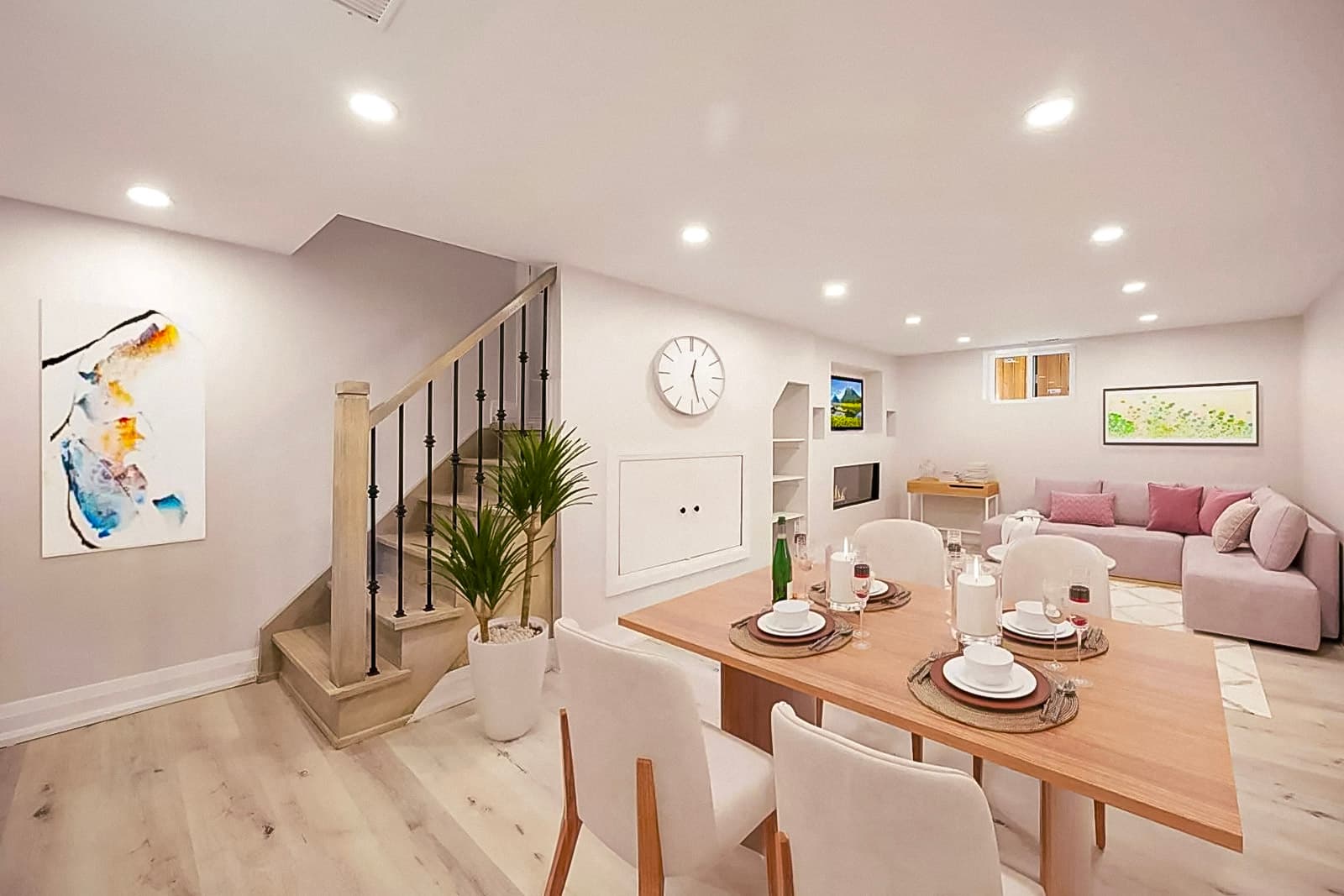
A basement offers a treasure trove of unique layouts, but converting it into a functional, livable space requires meticulous planning. Multiple factors need to be considered, particularly for long-term use, when it comes to ventilation, lighting, and material choices.