The Pros and Cons of Choosing a Fibreglass Balcony for Your Home
By Editorial Team
Updated on March 12, 2026
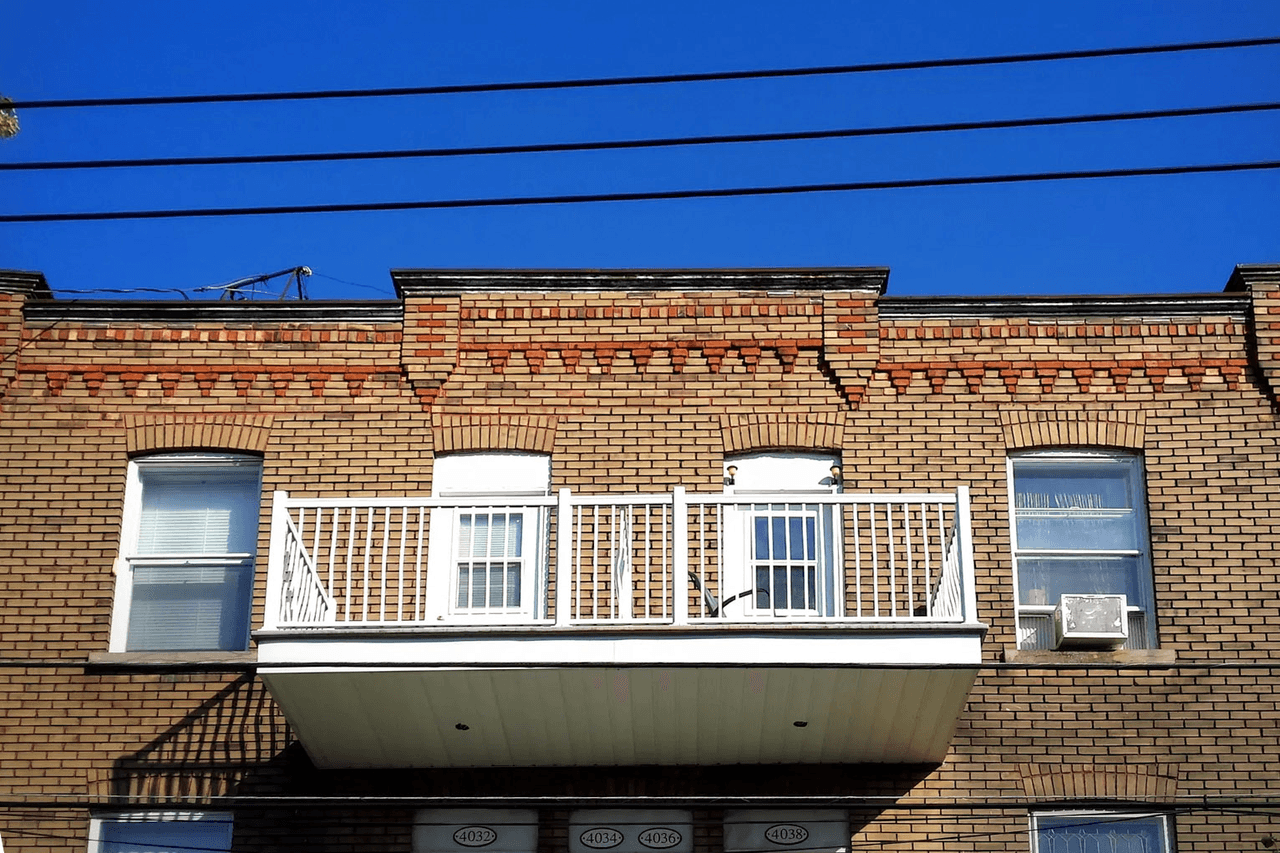
Balcony decking is as abundant as it is diverse. While wood ranks amongst the top favourites, fibreglass isn’t far behind, quickly gaining popularity.
Naturally, fibreglass balconies aren’t for everyone. Luckily, we’re here to outline the advantages and downsides of using this material on an outdoor structure.
Advantages of a Fibreglass Balcony
Source : RenoQuotes
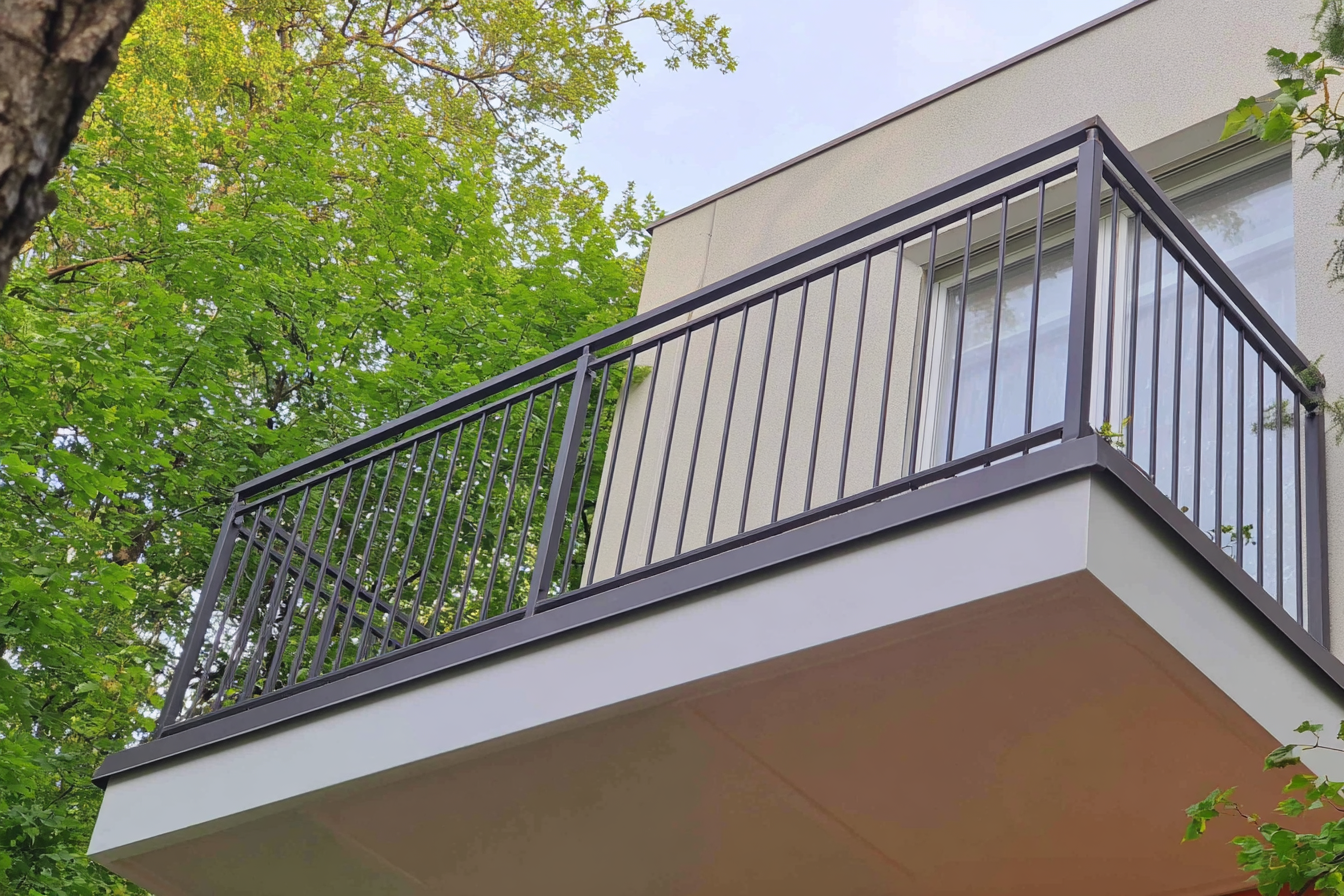
Wide Array of Models and Colours
From square one, note that there are several fibreglass balcony models, making it a universally appealing choice. Furthermore, this material retails in a wide array of colours.
On that note, keep in mind that you can also opt for a granite-like finish, which could appeal to those who like a more modern look. Based on your needs, you can also choose the level of adhesivity you’d like your balcony surface to possess for more or less smooth flooring.
Low Maintenance
Those who opt for a fibreglass balcony very much appreciate that they don’t need to paint it repeatedly over the course of its service life. For wood enthusiasts, note that numerous companies offer faux wood fibreglass flooring. As such, you can benefit from the look of the material while dodging the sheer amount of maintenance that comes with it.
Moreover, fibreglass is insect-resistant, which is also a contributing factor to its 20 or so-year lifespan.
Highly Resistant
Furthermore, since fibreglass is robust, it can withstand almost all weather conditions. Besides, this material offers unparalleled protection against freeze, fire, corrosion, and ultraviolet rays. Therefore, even prolonged exposure to sunlight won’t affect its shape or colour. Fibreglass is also completely waterproof, meaning you can set up a makeshift storage unit beneath your balcony, shielding the space from rain, snow, and wind.
Easy Installation
Another perk in its favour: A fibreglass balcony is especially easy to install. Since the balcony comes as a single unit, there aren’t numerous pieces to assemble to make it whole.
It’s also important to note that fibreglass is eco-friendly since it’s 100% recyclable. Using this type of material for construction projects limits its environmental impact.
Worth the Money
Lastly, keep in mind that a fibreglass balcony has an outstanding value for money factor. Although it’s typically a bit more expensive than a treated lumber balcony, its service life is longer, making it a more valuable long-term choice. Dufour estimated its cost at $15/sq.ft.
Downsides of a Fibreglass Balcony
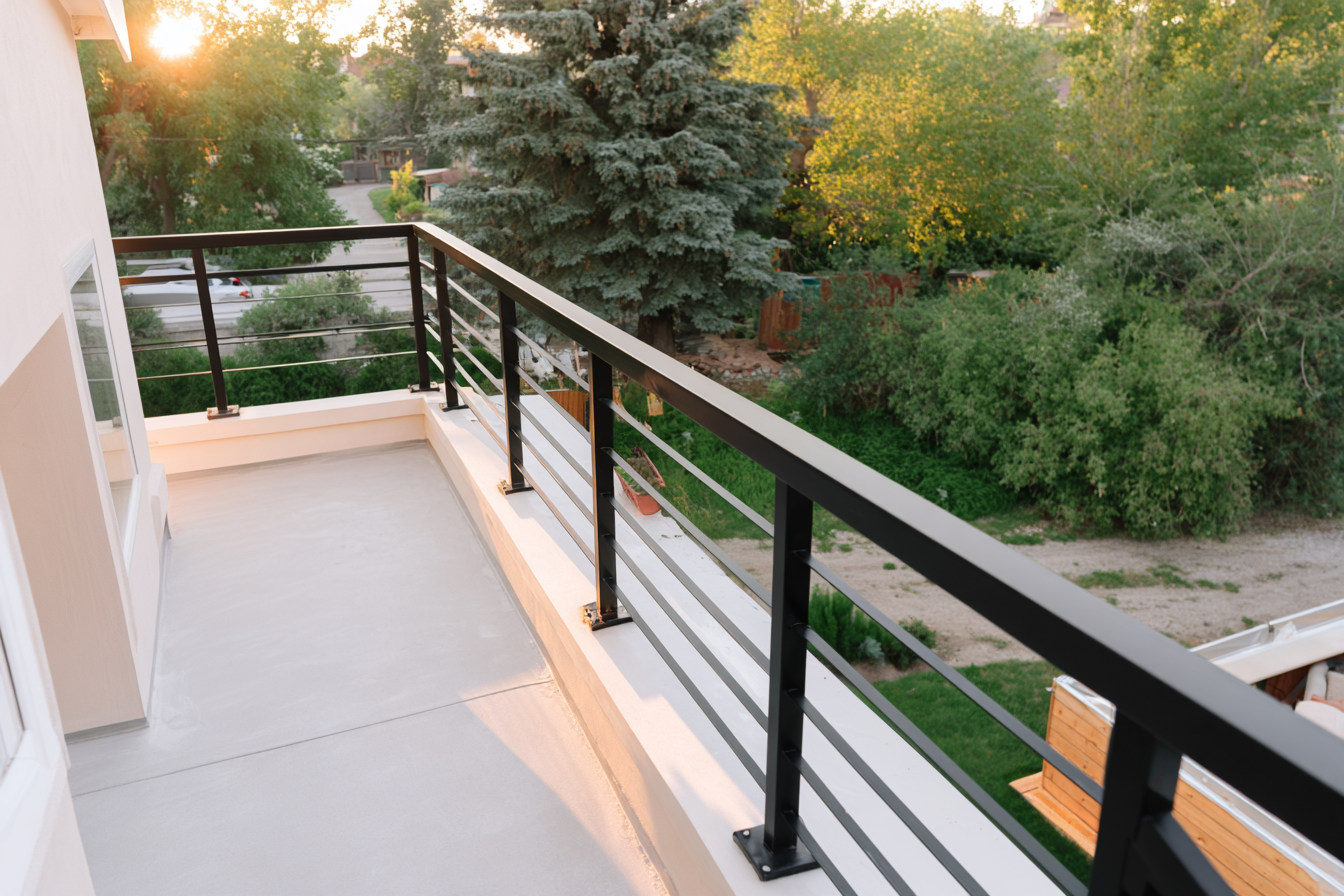
Now that we’ve gone over the surprising benefits of fibreglass balconies, we have to outline other factors to consider.
Source : RenoQuotes
Its Weight
Albeit fibreglass is relatively lightweight, it’s still heavier than most of its wood or aluminum counterparts. Due to the load discrepancy, not all structures can accommodate this type of balcony since the underlying structure must be capable of bearing the additional weight from the fibreglass.
Winter Hazards and Summer Discomforts
Even with an elevated adhesivity level during wintertime, a hefty amount of snow will render the surface slippery and likely cause falls. Therefore, it’s advised to spread sand or salt on the balcony’s surface during winter.
During summertime, if your fibreglass balcony is exposed to excessive sunlight, steer clear of dark colours, as it’ll attract more heat. When exposed to sunshine, its composition resembles metal, which can render the surface extremely warm, thus potentially uncomfortable.
Stain-Prone Surface
Since this material can stain from different substances lingering on its surface for extended periods, shifting around any items on the balcony’s flooring is best. Also, beware of metallic objects, as they can quickly stain fibreglass decking.
Fallouts from exposure to the outdoors
While fibreglass is impermeable when faced with almost all hazardous elements found outdoors, it may be vulnerable to mould. Let it also be said that it’s subject to scratching, bumps, and nicks if not cared for properly. Intense heat exposure can also, over the long run, cause the fibreglass to contract, resulting in surface cracks.
Life Expectancy of a Fiberglass Balcony
Balcon Expert’s Dave Dufour highlighted several key advantages of this material, including its low maintenance requirements, strong resistance to weather and wear, and a service life typically ranging from 20 to 25 years. Fibreglass balconies are also appreciated for their seamless waterproof surface, which helps prevent water infiltration and protects the structure underneath. When properly installed and maintained, this type of balcony offers a durable and practical solution that performs well in climates with frequent temperature fluctuations, such as those found in Quebec.
How to Clean and Repair a Fibreglass Balcony
Source : RenoQuotes
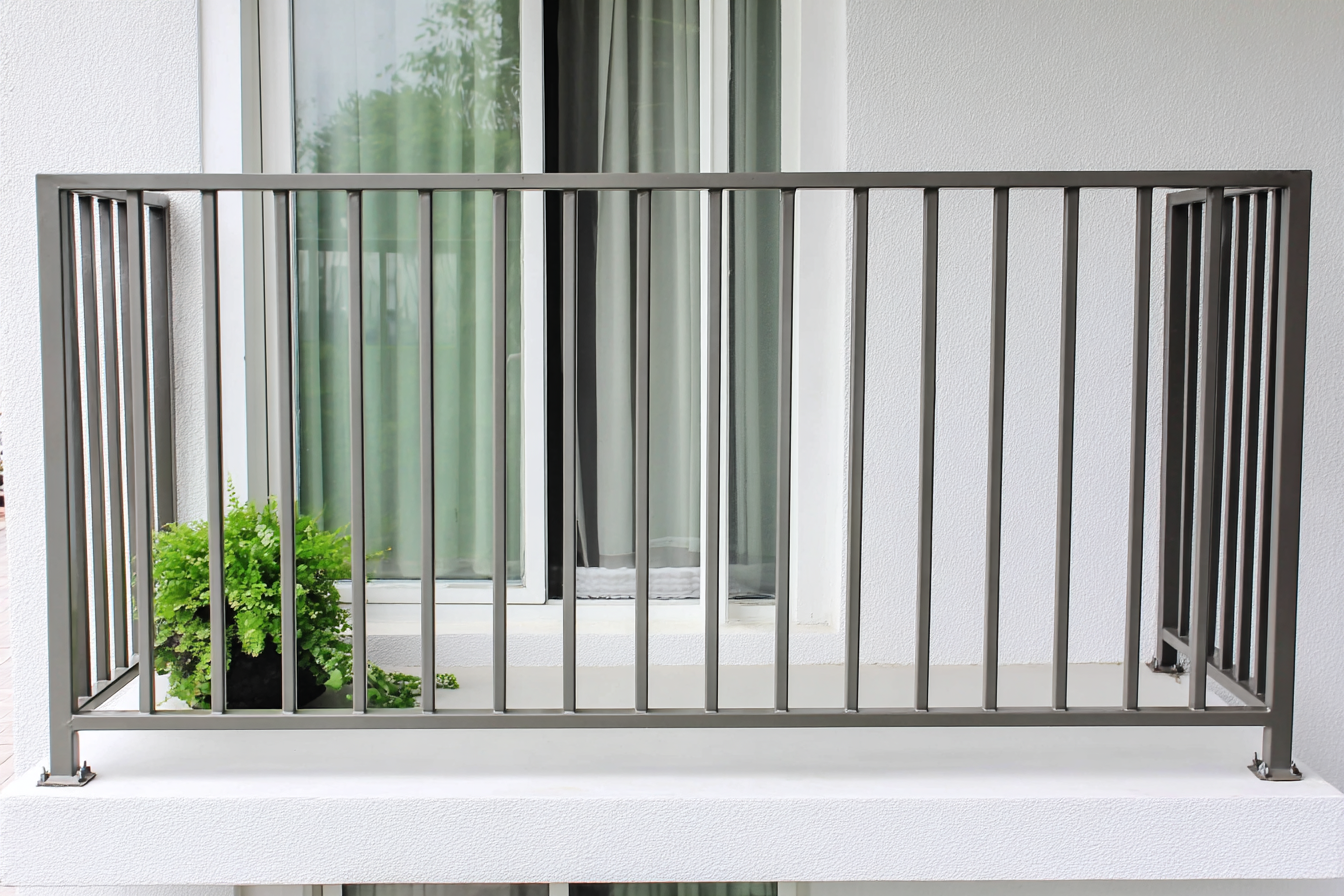
As far as maintenance goes, to preserve a fibreglass balcony, note that it doesn’t require any specific care to keep it looking new other than a good wipe-down with water and soap. Scrub it down with a soft-bristled brush. Using a wire brush is advised against, as the metal bristles scrubbing against the fibreglass surface can lead to rusting.
If you notice any cracks, regardless of their cause, repair them as soon as possible by filling the gaps with a tow fibre or wads. If water infiltrates the structure, it could lead to additional fissures and potentially result in the complete shattering of the balcony.
Real estate project developers often include fibreglass balconies in their condo tower designs since they’re durable, cheap in terms of maintenance, and budget-friendly, especially when building numerous balconies.
Pros | Cons |
|---|---|
Available in a lot of different modelsLightweightAvailable in a wide array of coloursVery robustIts surface doesn’t require a coat of paintInsect-, freeze-, fire-, corrosion-, and UV ray-resistantGreat value for money | Heavier than wood (doesn’t suit all structures)Mould-proneIt may be slippery when snow-coveredDark-coloured surfaces can get quite warmMay crack under extended sunlight exposureWhen cracked, it must be repaired immediately |
FAQ
Can you paint a fibreglass balcony?
Yes, you can. For a fibreglass balcony, it’s recommended to use epoxy or polyurethane paint, as both offer excellent adhesion and strong weather resistance. Before applying the paint, the surface should be thoroughly cleaned and sanded to ensure good adhesion. These types of paint are ideal for outdoor surfaces exposed to wear and moisture.
Looking for something else?
Related articles
The latest industry news, interviews, technologies, and resources.
Léa Plourde-Archer
•08 Nov 2023
Masons are skilled professionals trained to fix all sorts of problems, mostly relating to brick walls. How is it possible to determine whether your situation warrants hiring a mason?

Amanda Harvey
•08 Nov 2023
Hygge, pronounced phonetically as "hoo-gah," is a concept that originated in Denmark but has made its' way to the renovation and interior design networks of North America. Hygge roughly translates to "coziness," but is often described as a mindset for fostering positivity and togetherness in negative aspects of life; an attempt to enjoy the smallest and most insignificant moments.

Editorial Team
•25 Apr 2024
There’s nothing like a bit of paint to morph a room, to then embrace the environment in no time. While painting projects are mostly feasible by all, it still goes without saying that professionals have proficient knowledge of the basics of painting to carry out a flawless finish. If that doesn’t reflect your abilities, unsightly marks could give you away sooner or later...like paint blisters or bubbles appearing on a freshly coated wall.
Léa Plourde-Archer
•23 Sep 2026
The renovation sector in Canada is constantly evolving, with new materials, technological advancements, and design concepts tailored to the current needs of citizens. By 2026, a shift towards sustainability, quality, functionality, and value optimization is expected. Furthermore, faced with high housing costs, many homeowners are choosing to renovate their homes rather than relocate.
Cynthia Pigeon
•02 Sep 2026
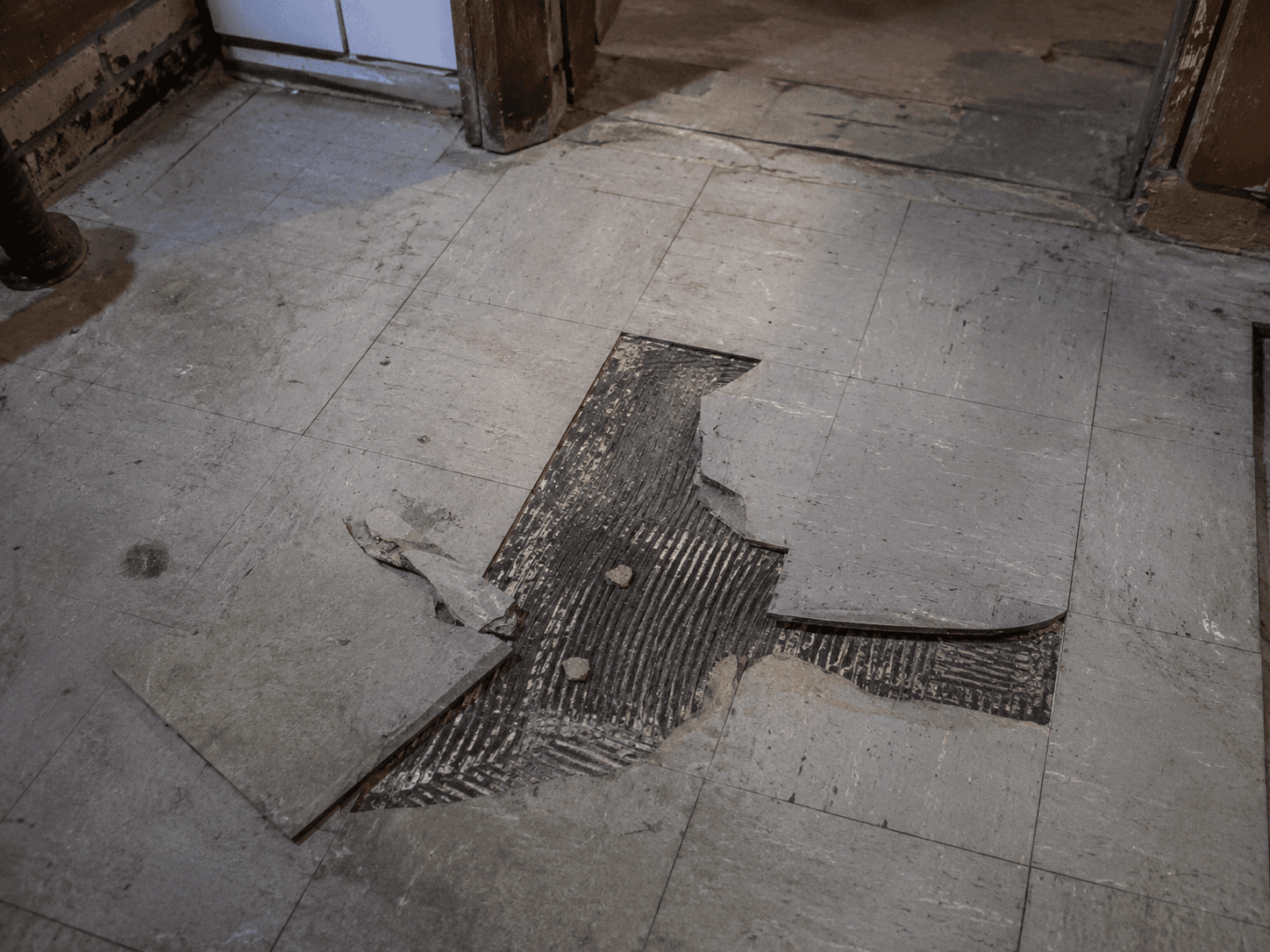
In Quebec, homes built before 1990—particularly bungalows from the 1960s to 1980s, cottages, and Montréal plexes—used asbestos for its thermal insulation, fire resistance, and durability. It is commonly found in older resilient flooring in kitchens, bathrooms, and basements, including vinyl-asbestos tiles (VAT) and sheet vinyl flooring with a fibrous backing.