If your cabinets are screaming for a fresh look, give them a quick update by stripping and refinishing them with a new stain. If your cabinets are structurally sound, then luckily all they’ll need is a bit of a facelift to appear brand new. Stripping cabinets is a short project and can be done by even the most novice of DIYers.
Stripping and restaining cabinets can save a homeowner from having to commit to an entire cabinet replacement project. Take some time to consider colour and stain options out there for you on the market. Do a bit of research and once you’ve got a vision in mind, follow our step by step guide to have cabinets that appear brand new in no time!
Here's our step-by-step guide on how to strip kitchen cabinets!
Source : les Réalisations P.O.P. Design Inc.
Prepare the Cabinet Surface
Although this project is far less time consuming and costly than fully ripping and redoing cabinets, it is important to give yourself some time to complete. It's best to give yourself two full weekends, as staining or applying new coats of paint will need time to dry. Materials required for this job are as follows: screwdriver, drop cloth, rubber gloves, 1-1/2-inch paintbrush, putty knife, sandpaper (100 and 180-grit) oscillating tool, sponge, stain, stripper and lacquer.
Start Stripping Those Cabinets!
Source : les Réalisations P.O.P. Design Inc.
If your cabinets have been stained previously, bear in mind that a small layer of the wood will have to be removed with sandpaper to reach the natural wood beneath. Begin by dismantling cabinets, removing drawers and doors from their place on the wall. You can do this by using a screwdriver and unscrewing doors, hinges and drawers.
It is important that you save all screws and hardware pieces in a safe space, as you’ll need them again. Also, label cabinet doors to avoid confusion and so you’ll know where they go once the job is finished. You can do this using painter's tape. Make sure to remove the labels before refinishing or spraying with primer and paint, replacing them once dry, in preparation for reinstallation.
Next, put on your rubber gloves and paint a light coat of stripper onto the face of one of the cabinets. Work by painting one coat at a time onto cabinets, drawers and doors. Now, wait 10 minutes and then scrape the softened stripping lacquer off with a putty knife. Make sure to start at the top and scrape downwards. You should have a drop cloth resting beneath the area you are working, allowing for the gelled finished pieces to fall onto it. Repeat this step with all cabinets, drawers and doors, working carefully.
Sand and Stain
Following this, sand down surfaces using the 100-grit sandpaper and attach it to a power oscillating tool. If your cabinets have details or mouldings of any sort, use a rotary tool with the correct accessory to fit neatly inside the moulding profiles. Now, using a hand block, re-sand the cabinets, sanding parallel to the grain on all surfaces until the wood's colouring looks consistent.
Next, working with your sponge, begin staining the cabinets. Follow the same method you used to strip the cabinets, moving one door and drawer at a time. As soon as the wood appears wet, quickly wipe the stain using a dry cloth. Wait an hour and the stain should be dry.
Completing the Project
The last few steps of this process are as follows. Start by spraying the cabinets, doors and drawers with a light coat of aerosol lacquer. Take care while completing this step, as lacquers can sometimes be accompanied by toxic fumes. Consider wearing a respirator or face mask to avoid breathing in any harsh chemicals. Also, make sure if you’re working indoors that windows are open or a fan is being used to rid of the fumes. The lacquer should dry in no more than half an hour and should cure completely between coats.
Next, use 180-grit sandpaper and sand down all pieces by hand, and following this more lacquer can be applied. Wait 24 hours for the finish to cure before reinstalling the doors and drawers. Remember, another way to update your cabinets is to consider modern hardware or even a fresh coat of paint!
Looking for something else?
Related articles
The latest industry news, interviews, technologies, and resources.
Cynthia Pigeon
•08 Jul 2026
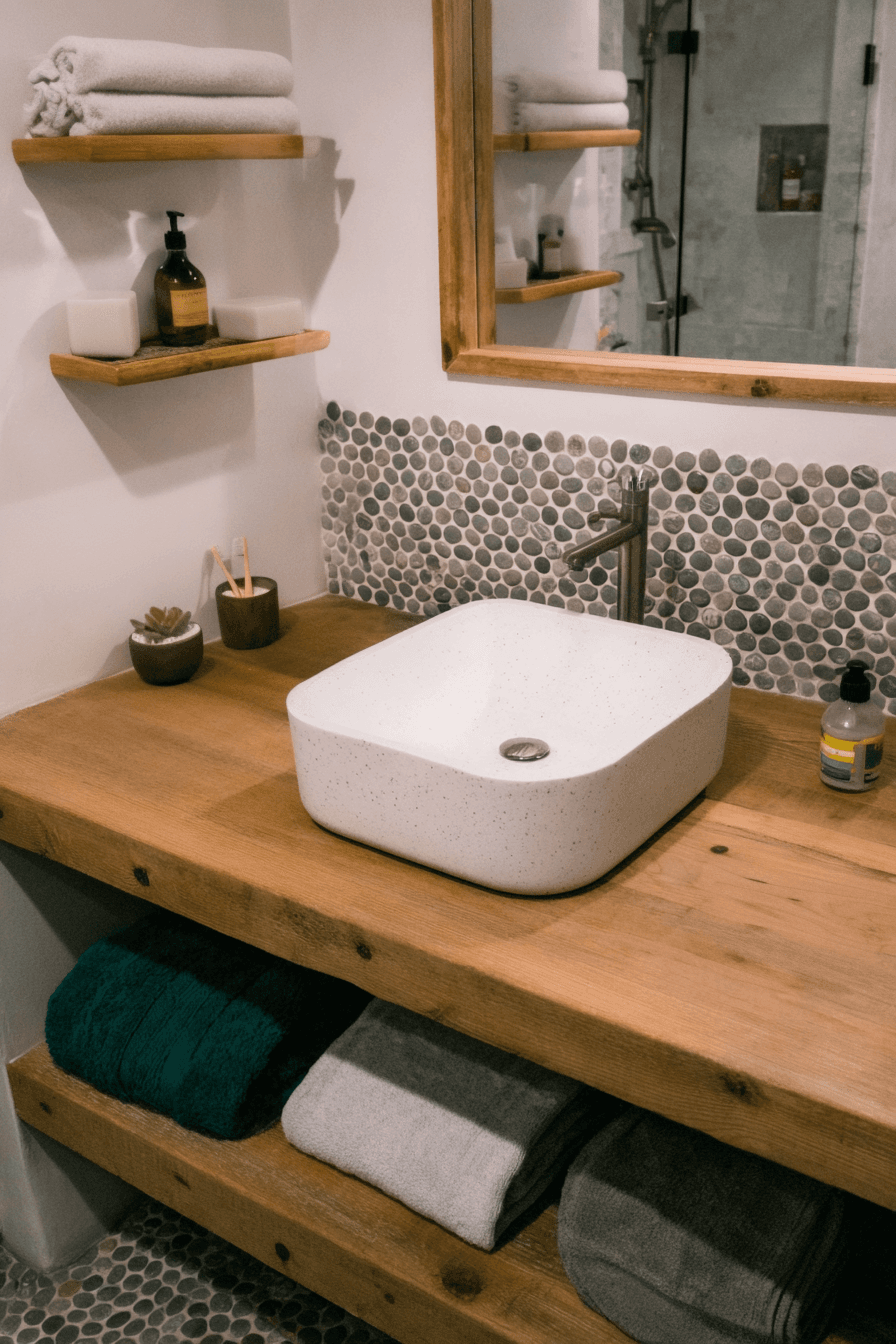
The bathroom is no longer just a functional room; it has become a true relaxation sanctuary at the heart of the home. During a residential renovation project, choosing the right furniture is a strategic decision that helps combine aesthetics and functionality. In Montréal, where architectural charm often comes with unique space constraints, standard big-box store furniture can quickly show its limits.

Editorial Team
•06 Feb 2025
When designing a luxury kitchen, nothing is done haphazardly. From material to colours, with layout and finishes in between, everything is thoughtfully crafted. From the most minute detail, everything counts when building a dream kitchen. Are you looking for ideas for designing your custom-built, high-end kitchen? Keep reading for key insight!
Editorial Team
•11 Mar 2026
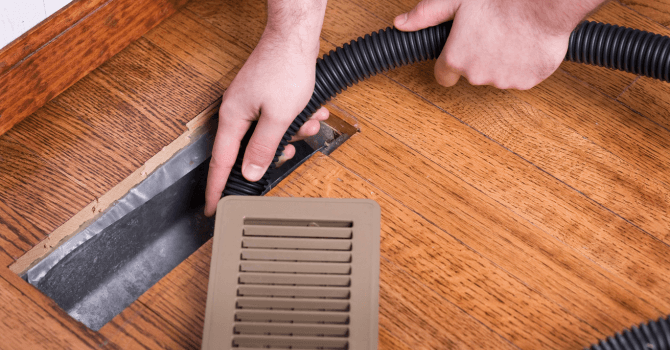
Are you second-guessing the quality of the air you’re breathing in but have no idea how to fix the situation? Rest assured, this article details everything you should know about cleaning your home’s ventilation ducts.

Cynthia Pigeon
•12 Jul 2024
Is your kitchen clad with melamine cabinets and looking duller than ever? Have you forgotten the last time you redecorated your kitchen? Either way, your cabinets are robbing you of your love of cooking and you sure don't want to miss out on new storage ergonomics. So it's about time you give your kitchen some pizzazz!
Cynthia Pigeon
•08 Jul 2026
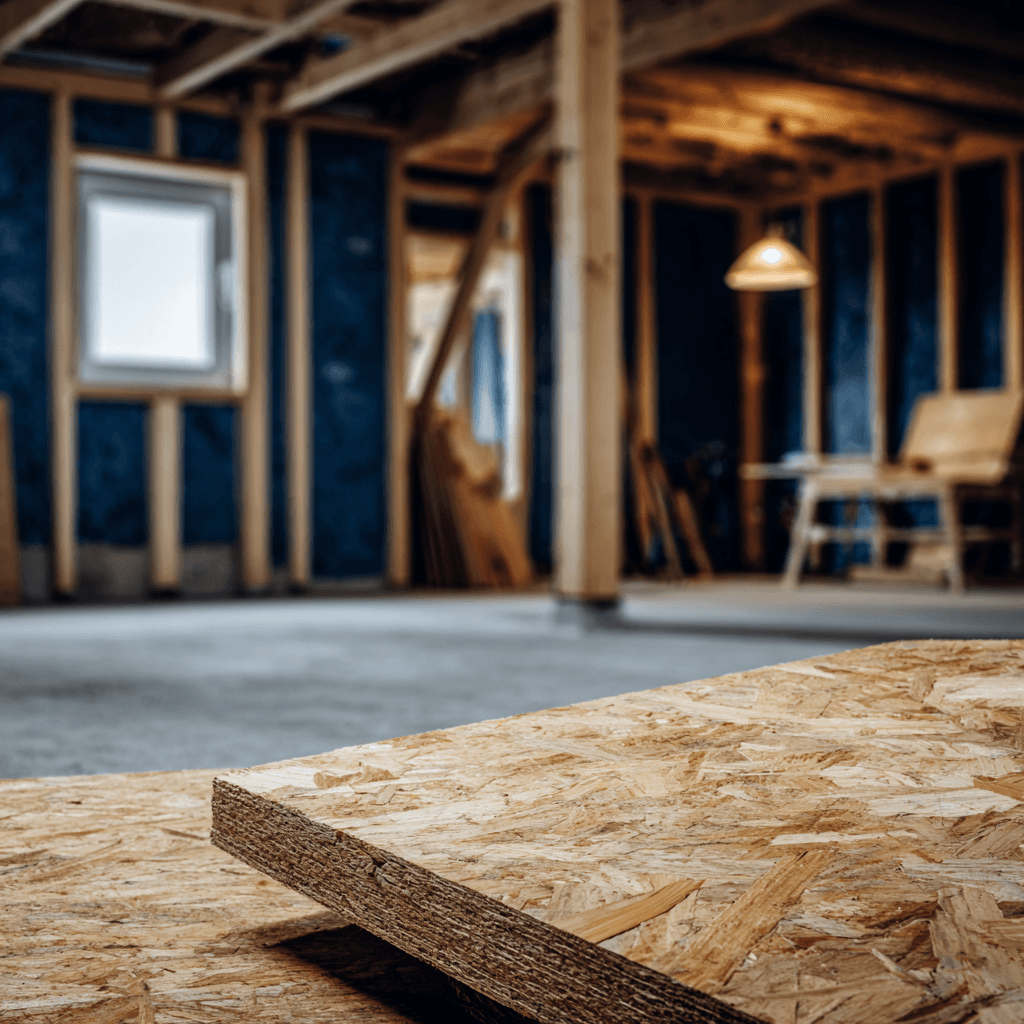
In 2026, replacing a concrete slab and pyrite-contaminated backfill can represent a significant budget. For a basement, some estimates range from around $15,000 to $40,000, while a garage can cost several thousand dollars, depending on the surface area, access and the extent of the removal required. This price includes the full excavation of the contaminated backfill, its replacement with tested non-expansive crushed stone and the pouring of new concrete. Before undertaking this major work, an official technical test following the CTQ-M200 protocol is often required by financial institutions or during a real estate transaction to assess the swelling index.