How to Choose the Best Glazing for Your Veranda
By Editorial Team
Updated on August 12, 2025
To fully benefit from your veranda, you first have to choose a glazing that suits your needs. Yet, navigating these waters and making a well-informed decision can be challenging considering the plethora of glazing types specially designed for verandas. To lend you a helping hand, here’s an overview of the main types of glass and practical tips to select the best veranda glazing.
The Advantages of a Glass Veranda
Source: Canva
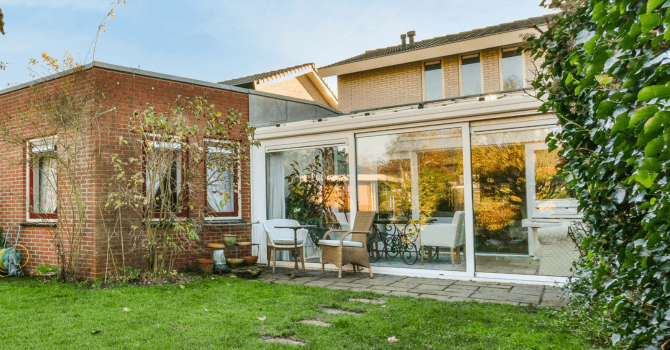
Verandas are considered the quintessential lounge area. It’s basically an additional room in your house, one that's both indoor and outdoor. It’s the ideal space to admire nature and benefit from the surrounding greenery. However, to fully reap the benefits of your veranda, you first have to select quality glazing.
Thermal and Acoustic Insulation
Quality glazing helps retain heat during wintertime and cools down interiors during the summer. During cold spells, glass contributes to thermal comfort by reducing the cold surface effect, and limiting condensation, which protects the integrity of the surface material. In terms of warmer months, glazing helps mitigate significant heat gain, which, in turn, prevents the temperature in the room from rising and the glass from reflecting an uncomfortable glare.
Aside from thermal properties, glazing has other worthwhile advantages. Indeed, it ensures proper soundproofing, which reduces exterior noise pollution.
Aesthetic, Safe, and Bright
Furthermore, its see-through aspect allows considerable natural light to filter in the setting. Indoors, direct access to daylight mitigates energy consumption, resulting in significant financial savings.
Glazing also guarantees optimal safety and, depending on its tint, may shield you from unwanted stares.
Note that a glass veranda also significantly improves the overall aesthetic of a home, visually speaking. Glass is retailed in various patterns and colours; there's a little something for everyone, whether your veranda features patterned glass on both sides; a matte, hobnail, or seeded glass with uniform or textured designs.
What type of glazing is used for verandas?
Source: Canva
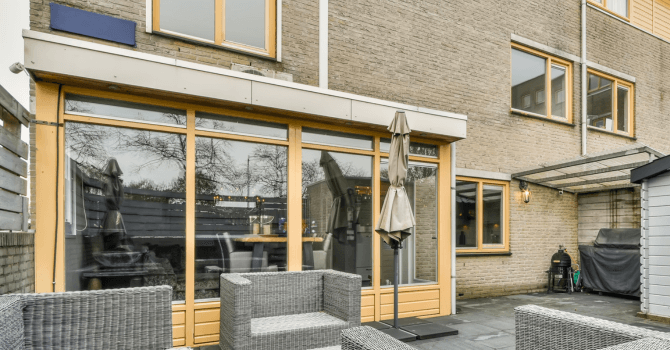
Several different types of glazing are made for verandas, each featuring distinctive characteristics and advantages. Here are some of the models retailed:
Single Glazing
A few years ago, single glazing was the only type of glass used for verandas. Nowadays, it’s no longer recommended and has been replaced by other, more effective, models. Indeed, single glazing allows 80% of the sun rays to seep through, creating thermal bridges, and fostering condensation.
Double Glazing
This type of glazing provides better thermal insulation and yields great natural lighting. Double glazing is two glass panes separated by an air space. It’s heavier and costlier than single glazing.
Triple Glazing
It’s manufactured with three glass panes mounted on a single frame and separated by a gas-filled (argon or krypton) space. It’s a great thermal insulator. As such, triple glazing is the ideal option if you’re looking to minimize energy-related expenses while maintaining maximum thermal insulation within your veranda.
Solar Control Glazing
Such glazing retains heat inside during the winter and preserves the cool air during warmer stints. It provides excellent insulation and is made with two glass panes:
an outward-facing pane that’s slightly tinted, allowing a part of the natural light to filter through, while reflecting the sun’s infrared rays; and
an inward-facing pane that has a laminated layer, which holds the pane as a whole in the event of breakage (won’t shatter).
Soundproof Glass
Acoustic insulated double glazing is the best option if you’re looking to insulate your veranda from exterior noise pollution. This glazing model for verandas is made to absorb sound waves and preserve the calming nature of the setting. The level of acoustic insulation depends on the thickness of the glass (the thicker the better). This sort of glazing also reinforces safety and security given its superior resistance.
Safety and Security Glazing
This sort of glazing is laminated and famous for its superior resistance. Given said property, it shields the veranda from potential break-ins. Its resistance results from several laminated sheets of glass. This type of glazing won’t shatter on impact.
Glass Veranda Roof
Glass roofing is used to ensure optimal thermal comfort year-round. It’s also known as low-E glass, so low emissivity or thermally insulating glass.
Tips for Choosing Veranda Glazing

Source: Canva
Prior to choosing the right glazing for your veranda, you must first consider a plethora of vital criteria. You need to know how the space will be used to opt for glazing that will fully meet your needs. The following are some essential criteria to consider:
Light level: Make sure the selected glass allows for as much natural light to filter through as possible.
Thermal comfort: Ensure your glazing can retain a comfortable indoor temperature year-round, such as insulating glass.
Soundproof: If you enjoy a calm and serene setting, opt for glazing that can absorb exterior noise.
Privacy: If you’re looking to shield yourself from unwanted neighbouring glares, opt for patterned glass or tinted models.
Safety and security: Make sure to select glazing that can protect you from future burglaries and break-ins.
Easy maintenance: To streamline your window-cleaning routine, avoid getting oversized (height-wise) glazing or opt for self-cleaning glass. The latter simplifies cleaning and allows for considerable time efficiency.
Looking for something else?
Related articles
The latest industry news, interviews, technologies, and resources.

Editorial Team
•04 Apr 2024
The two-way mirror—also known as a one-way mirror—is grounded in an extremely straightforward principle. To fully grasp its functionality, one must first take a closer look at the standard mirror, which is all too familiar to most, prior to broaching the advantages and drawbacks of the former.
Cynthia Pigeon
•09 Jun 2026
In Quebec, maintaining a single-family home, semi-detached house, or condo requires special attention to the building envelope. Given the harshness of our climate, marked by particularly cold winters, humid summers, and constant freeze-thaw cycles, exterior sealing is your first line of defence against the elements. With economic changes and the rising cost of materials observed in 2026, planning renovation work requires clear and transparent pricing data.
Editorial Team
•20 Nov 2023
Do you have to change your old kitchen sink? The models available on the market are just as wide-ranging as they are diverse, meaning finding the right sink for the job can be quite tricky! To help guide your decision, here’s a rundown of the leading sink models.
Editorial Team
•06 Jul 2025
You’re running out of space, but why leave that ideal setting where your kids grew up? Since moving out is off the table, building onto your family home seems inevitable. If you happen to find yourself in this situation, you’ve definitely come to the right place! Our article details everything you need to know about building a home extension or addition.

Editorial Team
•08 Nov 2023
Wood window frames add a naturally beautiful element to both the interior and exterior of your home. However, as with everything of natural beauty, wood needs to be carefully looked after so that it can continue to have pure charm and appeal. You can easily extend the life of wood frames by making sure they are properly inspected and maintained, saving time and money in the long run.