How to Save Money Courtesy of Energy-Efficient Home Renovations
By Editorial Team
Updated on December 14, 2024
In the renovation industry, high-performing, energy-efficient options are increasingly accessible. Often retailed at similar or slightly higher price points compared to “standard” products, eco-friendly renovations are also beneficial for reducing a building’s energy use, resulting in long-term savings.
Several factors can differentiate a standard house from a high-energy-efficient dwelling. In the end, energy-efficient renovations allow savings upon installation, but above all, become quite worthwhile long-term.
Material selection can reduce your home’s ecological footprint and have a positive impact on the environment. According to Ecohome, select materials can cut your energy-related expenses by 50%. Said platform also claims that a complete energy-efficient renovation can lead to energy-related savings of up to 70%, on top of improving indoor air quality, including the health of dwellers and that of the environment.
Energy-Efficient Constructions or Renovations: How to Cut Costs in Canada

Several free or inexpensive methods can impact your energy-related expenses. To cut back on heating costs, having windows angled toward the sun's rays, especially during the winter, can lead to tangible improvements.
With reinforced insulation and correctly positioned sun-exposed windows, building a south- or south-west-facing kitchen with vast windows, for example, saves between 50–80% on energy-related expenses when heating your home. (Source: Courrier du Sud)
For more information, check out this article:
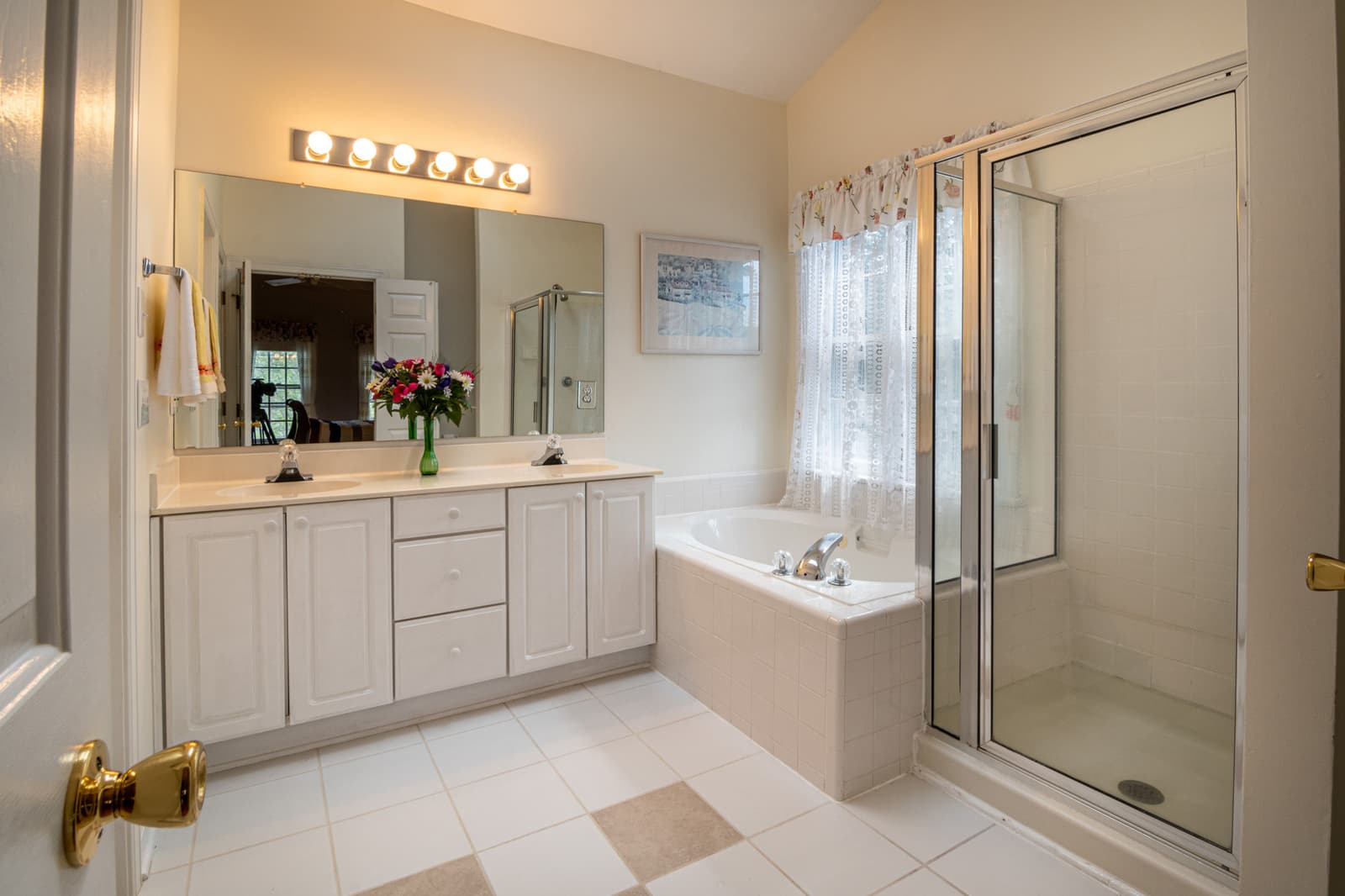
Affordable, Energy-Efficient Bathroom Renovations

Other options are available too. In your bathroom, you can save about $90 in hot water use every year by installing a low-flow showerhead, low-flush toilet, and a faucet aerator.
In line with the idea of cutting back on hot water use, the Power-Pipe drain water heat recovery unit can help you save 30% on your hot water bill. However, said device must be installed in such a way that the water recovered by the heat recovery unit is channelled toward the water heater instead of the shower; the former is prohibited by the Régie du bâtiment du Québec. Make sure it’s installed properly!
Another interesting option for bathrooms is the composting toilet, which can lead to yearly savings of 100,000 litres of drinkable water. Also, note that concrete is a multi-purpose material that’s just as valuable for interior renovations as exterior home improvements.
Despite the material’s unfavourable reputation, there is so-called eco-friendly concrete out there. You can choose to use concrete made with 30% recycled materials. Green concrete is defined by the LEED certification as concrete containing less than 30% supplementary materials and 50% or 90% recycled aggregate.
Energy-Efficient Home Insulation Ideas
A building’s airtightness can be improved by sealing all sources of drafts with caulk. Air leaks result in the loss of roughly 30% of the energy heating your home. Improving your home’s insulation is a worthwhile option.
When it comes to eco-friendly insulation, several factors must be considered to determine the total cost. First, familiarize yourself with eco-friendly insulation materials, their price points, and labour costs. Amongst the eco-friendly insulation materials retailed, cellulose—made from recycled newsprints—uses 30% less energy compared to conventional fibreglass insulation materials.
Lastly, you can build a new, energy-efficient home without spending more than you normally would for a conventional build. You simply have to do your research and consult general contractors specializing in energy-efficient renovations. Note that several subsidies and grants are available for home renovation and improvement projects focused on increasing the building’s energy efficiency.
FAQ About Eco-Friendly Home Remodel
How can I make my house more eco-friendly?
There are plenty of ways to turn your house into a more sustainable dwelling, starting with installing energy-efficient windows with low-e coatings. Next, make sure your house is properly insulated; improved insulation is the best way to keep your new or lived-in home cool in the summer and warm during the winter. Another factor to consider is investing in energy-efficient appliances (washing machines, dishwashers, etc.), smart thermostats, and LED light bulbs. If worthwhile, solar panels are always recommended. Moreover, to limit water usage, consider buying low-flow showerheads. Lastly, start composting, it's free and as straightforward as can be!
What is a green renovation, and how does it differ from a sustainable reno?
A green home renovation emphasizes eco-friendly concepts and materials, balancing nature and technology and choosing abundance over scarce resources. Whereas, sustainable home improvement will favour zero-waste methods and limit the use of harmful chemicals, combined with economic, environmental, and social resources, with longevity in mind. In a nutshell, cost-efficiency is a vital part of sustainability.
Which house style is considered the most environmentally friendly construction?
Now that eco-friendly architecture is mainstream, chunky and odd-looking interior and exterior designs are out the door, replaced by sleek and stunning concepts that aspire to a zero-footprint lifestyle. Amongst these, the famous tiny or small house stands out, alongside multi-family eco units and prefab designs.
Source of pictures: Pixabay and Unsplash
Looking for something else?
Related articles
The latest industry news, interviews, technologies, and resources.

Editorial Team
•23 Jul 2024
Renovations often focus on the surface; the glitz and glam-based concerns in the creation of your dream home. However, the foundation is the most important aspect of any structure and could be considered the bones of the home. With this in mind, proper foundation upkeep is necessary, as issues can become more costly the longer they're left as is, and also decrease the value of your home.

Editorial Team
•13 Jun 2025
Sliding doors, or patio doors, are a wonder. They offer a beautiful view of the outdoors and easy access to your backyard, yard, or patio. Glass sliding doors can transform even the darkest and dullest of spaces. But how difficult is the installation process? If you have some experience under your belt with renovation projects, we’re confident you can complete this one in a day or over a weekend.
Editorial Team
•08 Nov 2023
In the middle of winter or even the early days of spring, who doesn't enjoy a long, hot shower to warm up before heading out the door? Even though a hot shower feels great, unfortunately, your bathroom doesn't share the sentiment.
Amanda Harvey
•31 Mar 2025
Today, it feels impossible to get a moment of silence. Especially if you’re not living alone, or your current abode is one of those trending condos. Whatever the case, homeowners and renters alike would love to infuse a little bit of peace and quiet into their lives. Unfortunately, we can’t control the sound coming from those around us.
Editorial Team
•29 Jul 2024
For many aspiring homeowners, buying a home doesn’t necessarily mean opting for something new. In fact, some may have their eye on a home that was built several years, maybe even decades ago.