Oak Flooring - A Guide to Installation and Maintenance
By Editorial Team
Updated on March 5, 2025

Choosing to lay oak flooring in your home has a major aesthetic upside, as wood floors are considered a timeless classic: elegant, durable, and sleek. Specifically, oak flooring is a great option for those seeking a long-lasting and versatile material option.
How can you get ready to carry out an optimal installation? What precautions can you take to ensure your flooring’s longevity and upkeep? Below, discover everything you need to know prior to installing oak flooring in your home.
How to Install Oak Flooring the Right Way

Source : Dentiger immobilier inc
As with any home improvement project, being prepared allows you to complete the task at hand successfully.
Level subflooring is essential to a proper installation, and hardwood flooring must be laid over ¾ inch plywood. Hardwood can’t be installed atop concrete.
Note that hardwood flooring must acclimate to the room’s temperature and humidity level for 3 to 5 days prior to installation. We recommend laying the floorboards and getting a feel for how you want them installed, pattern-wise. Check for any misshapen wood boards and choose the straightest ones for the first two rows.
Materials and Tools
Here’s a list of necessary materials for this project:
Mallet
Nail setter
Drill and drill bits
Pry bar
Tape measure and level
¾ inch spacers
Tapping block
Chalk reel
Flooring nailer (optional)
Installation Steps
Lay the first floorboard with the slip tongue facing the wall.
Use ¾ inch spacers along the entire width of the wall and tip of the floorboard, where it meets the wall. Doing so allows for maintaining a gap, ensuring the floorboards can expand.
Screw in the pre-drilled holes found along the floorboards.
Nudge the next floorboard using a tapping block or mallet. Then, secure the screws.
Start laying the second row, pushing the board’s slip tongue in the first row’s groove, nudging it in place.
Repeat these steps with the remaining floorboards, staggering the joints and maintaining the necessary gap to allow the boards to expand.
Lastly, cut off any overlapping or excess underlayment.
Sand and stain the flooring, if necessary.
Fill in the nail holes with wood putty.
Conceal the expansion gap with new baseboards and quarter-round trim.
How to Maintain Oak Flooring
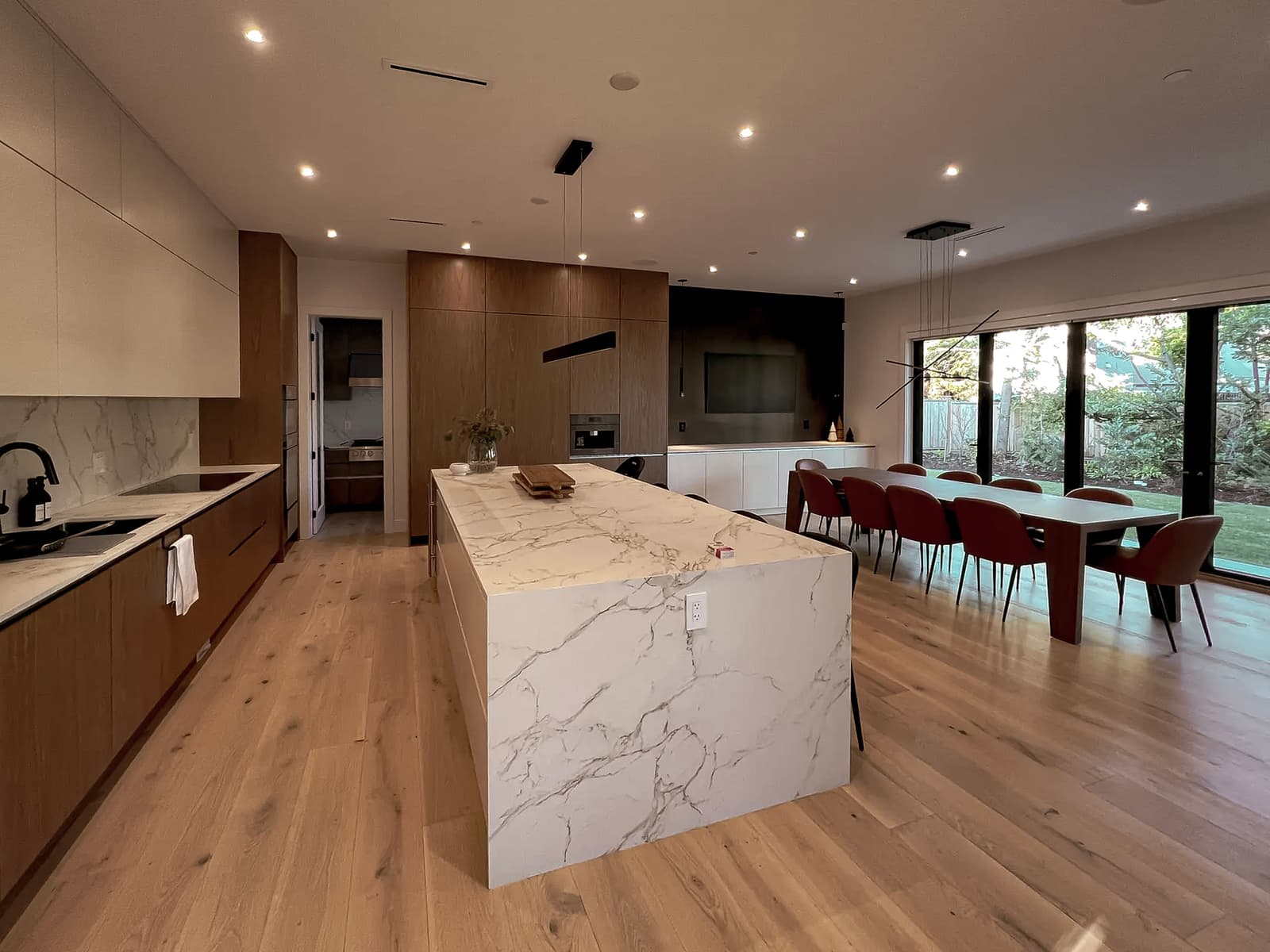
Source : Younik Renovation
Now that your new hardwood flooring is installed, consider how best you can maintain it to prolong its appeal and lifespan. Here are our top tips for oak flooring:
1) Use felt pads
One of the best ways to keep your oak floors scratch-free and flawless is by using felt pads underneath the furniture. This is a crucial pointer for any furnishings that are moved around a lot, chairs especially. Felt pads are retailed in most hardware and big-box stores. Make sure to check out the different size options to choose the right ones for you!
2) Learn how to gently clean oak flooring
Cleaning your oak floors should be done as carefully as humanly possible, given that its composition differs from stone, porcelain ceramic tile, and laminate. Albeit durable, oak must be cleaned according to a specific maintenance routine. Our advice is as follows:
Wipe away dust, dirt, and debris using a vacuum or soft-bristled broom before introducing any water to your cleaning routine. If you’re using a vacuum, set it to high, as it will prevent scratching the floorboards.
When mopping, we suggest getting a mop specifically designed for hardwood floors. String mops aren’t the best option, so look for alternative options available in stores.
Use cleaners specifically designed for natural wood. Hardwood-specific cleaners will provide the necessary protection and won’t damage the finish.
3) Be knowledgeable about scratched flooring
Scratches happen, and on oak flooring, preventing surface damage is possible, yet rather complex. If you spot a few scratches on your oak flooring, here's what you can do:
Consider using blending markers and pencils to touch up visible scratches. This is an easy, go-to solution and will work on most wood floors. Bear in mind that for certain types of oak, such as red and white oak, you might have to use more than one to get the right colour combination.
Coconut oil is another fix for any floor-level scratches. While it won’t fix the scratch, it’ll help conceal it from the naked eye. This is a cost-effective way to hide scratches without damaging your flooring.
There are commercially retailed products that are designed to conceal and repair scratches. When using such products, it’s important to match the flooring’s colour with the available options. In most cases, these products can be applied with a microfibre cloth.
When Should I Refinish My Oak Floors?

Source : Ethan and Brother building contractor
Although oak flooring is durable and resistant, time may still wear them down. This is especially true for the top coat. So, if you’ve had your oak floors for a while now, you may be wondering when’s the right time to add a fresh coat of varnish. Here are some telltale signs that your flooring should be refinished:
There are plenty of visible scratches: As mentioned, a few scratches can be fixed simply and quickly, but when your flooring is inundated with flaws, now’s the time to consider refinishing wooden surfaces, making for a uniform and beautiful finish.
Fading: Minor discolouration is to be expected with most wood flooring, but if you notice a decent amount of grey and black spots, it’s time to refinish.
Water-caused damage: Water-related damage is another common issue with oak flooring, rendering it dull and dingy. To repair the damage done, refinishing is the best option. Doing so can restore the flooring's natural glow and elegance. Also, it can prevent water-related damage from spreading to other areas.
Oak Flooring Maintenance: Simplicity and Durability
Caring for oak flooring isn’t as complex as it may sound. A minimal amount of effort and attention can turn this earth-born material into a long-lasting and beautiful flooring option.
Want to keep reading on the matter? Check out our Flooring Financial Guide.
Looking for something else?
Related articles
The latest industry news, interviews, technologies, and resources.
Editorial Team
•06 Jan 2024
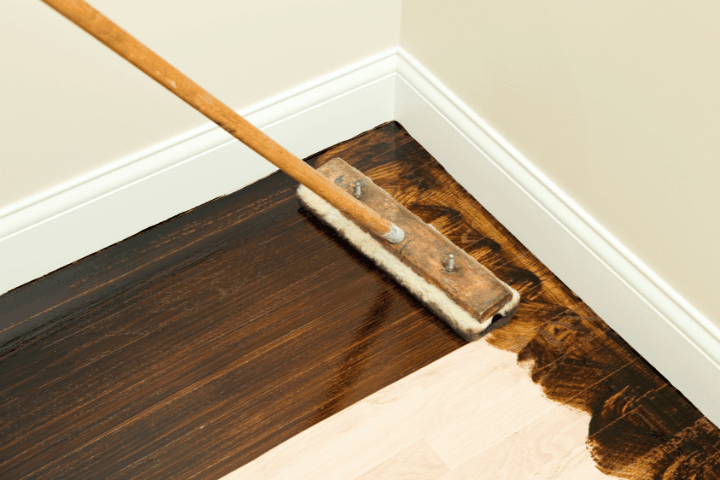
Hardwood floors aren’t all that complicated to stain provided you adhere to a proper set of guidelines and a few pointers, sparing you a complete redo, or worse, having to replace your entire flooring.
Editorial Team
•08 Nov 2023
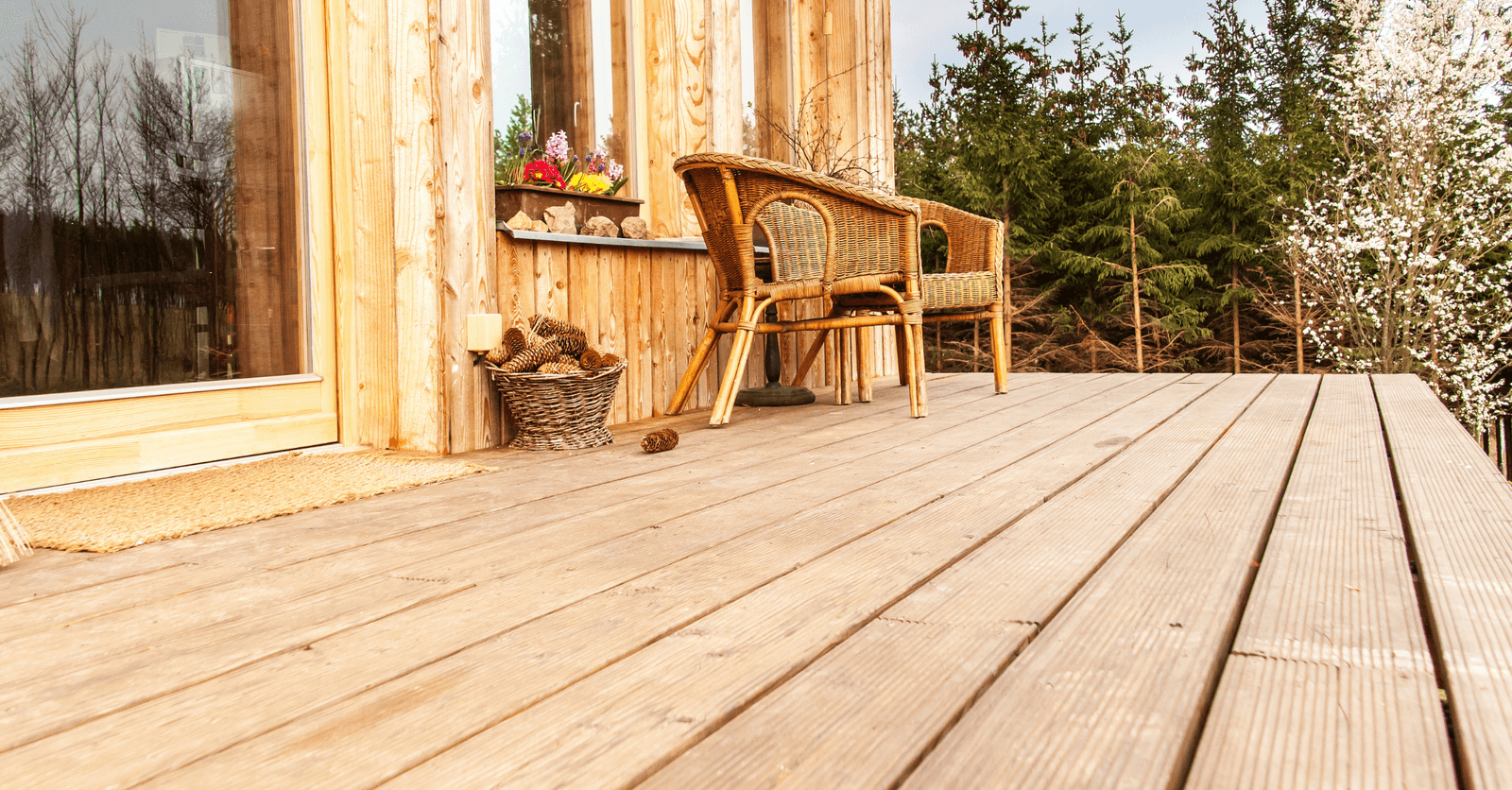
Who doesn’t like wooden floors? The wide-ranging species are sought-after, whether installed inside or outside. However, while wood may be well-acclimated and low maintenance inside your home, it’s another tale when facing Mother Nature in your backyard.

Cynthia Pigeon
•08 Nov 2023
During summer heat waves, many dream of escaping, somewhere, anywhere North to flee the intolerable heat and humidity. However, this solution is not always tangible, therefore, there are various tools and apparatuses that can help you create a better, more comfortable home.

Editorial Team
•12 May 2026
Choosing a heat pump for a Canadian home is not just about cooling in summer. In many parts of the country, especially Quebec and other cold regions, homeowners also need a system that can provide reliable heat during winter. Panasonic offers several types of heat pumps in Canada, including ductless wall-mounted units, multi-zone systems, central ducted systems, and hybrid heating options.

Amanda Harvey
•08 Nov 2023
Running a business has its advantages and disadvantages. Regardless if you own an office, a storefront or a restaurant, there are plenty of aspects to take care of and consider when it comes to looking after a commercial space. Maybe the structure needs updating or repair or the building's plumbing or electricity is outdated. Therefore, you could be contemplating taking on a renovation. However, there are specific laws that designate what can and can’t be done to commercial properties, and this generally includes a permit application.