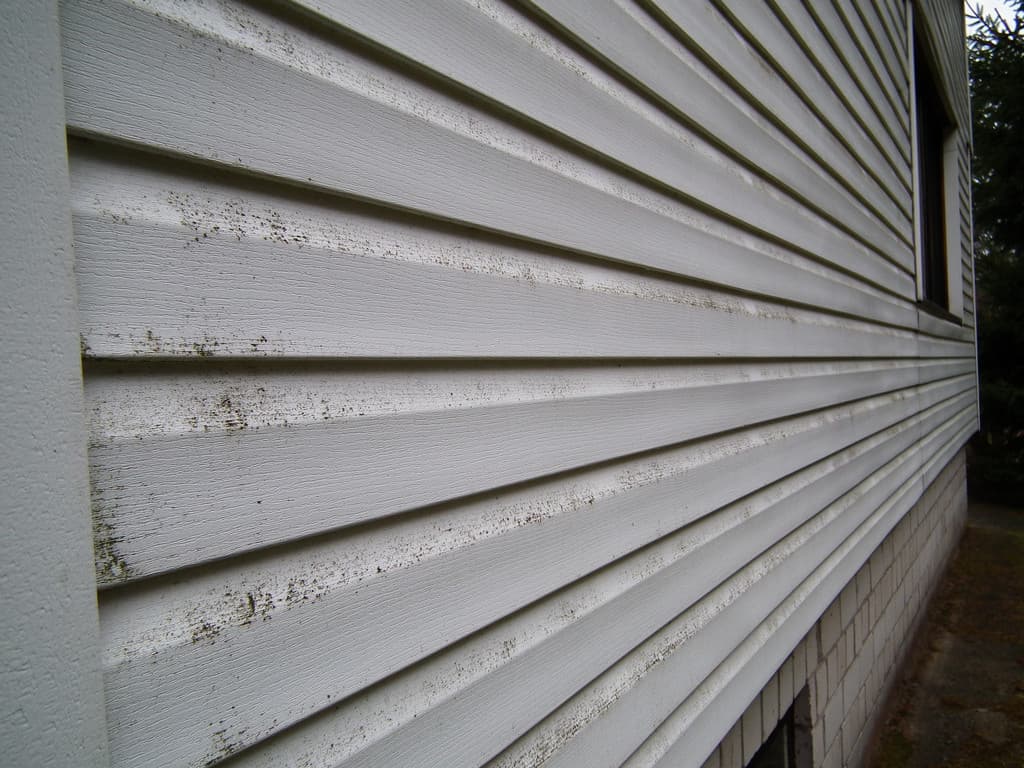
Siding is the material applied to the exterior façade of a home to protect the walls from varying weather conditions, mainly water, and for aesthetics. Since siding is primarily meant to protect your home from the effects of rainwater, it must overlap in order to cover any joints that could be left exposed.
Traditionally, wood was and still is used for siding, however, it has its drawbacks, which make it less appealing than vinyl. Wood siding needs to be treated roughly every four to nine years to ensure that it is in top shape so water doesn’t get in and create the right conditions for rot and mould. Wood is also a very appealing food source to termites which make this material riskier to employ on your home.
This is what makes exposed vinyl siding such a great option. Essentially a plastic, vinyl siding looks like the wood clapboards you would traditionally see but with the added protection from the elements specifically engineered for long-term durability. Maintenance for vinyl siding is very simple, often requiring as little as soap and water to bring it back to life. Nevertheless, like all materials, vinyl will age over time, leaving your home with visible changes in the vinyl cladding.
Cleaning techniques for your vinyl exterior siding
The drawbacks of vinyl siding
As with any material that is consistently exposed, sunlight can have a significant fading effect on vinyl siding. While manufacturers have begun to use a protective UV coating to work against the sun’s rays, fading and uneven discoloration are inevitable. In this case, a vinyl restorative solution will be your best bet.
Vinyl restoration products
These solutions often come with a cleaner to help remove any oxidization or other particulates which may affect the material. Make sure to work the cleaner into the siding with a non-abrasive sponge or cloth. Once this is done, wash the remnants of the residue away, making sure to rinse the siding thoroughly.
How to use the products to restore your vinyl siding
Now, allow your siding to come to a completely dry state, using your fingernail to make scratching motions along the vinyl. If the scratch becomes visible against the vinyl, it is not fully deoxidized and will need another round of cleaner. If, however, no scratches appear then your surface is completely dry and ready for the vinyl restorer. Remember, when applying the restorer, it is ideal to use a high-quality brush to avoid any small gaps in the coating.

Photo: Wikimedia
DIY cleaning products to remove dirt and mould from your home's vinyl siding
Another major issue with vinyl siding is the accumulation of mould and mildew. Thanks to the effects of humidity, mould or mildew can develop on the siding, giving a very neglected look to the exterior of your home. While the prefabricated cleaners do the trick, some may prefer a homemade solution. In this case, there are two DIY cleaning solutions you can make. The first is mild and consists of a roughly 30% vinegar and 70% water mixture.
This mixture should clean any dirt and grime off your siding. If you have algae build up on the vinyl, a diluted solution of one part bleach to four parts water will finish the job. Make sure to leave it to sit on the siding for about 10 minutes before you scrub and rinse it off so as to achieve the ideal results.
If you begin to notice discoloration, fading or mould, replacing the vinyl should not be the first solution as it can look out of place as compared to the rest of your home. Naturally, we recommend using the solutions presented above but we must also stress the importance of consulting a licensed professional.
Power washer: should it be used on vinyl siding?
Lastly, when applying the cleaner, we suggest avoiding the use of a power washer on vinyl siding. Unfortunately, if the stream is not positioned effectively, it can warp or even crack the vinyl or worse yet, get underneath, which can lead to even greater problems.
Author: David Ben-Zaken
Get 3 renovation quotes for your vinyl siding project
RenoQuotes.com can help you get quotes for your exterior siding project. If you submit your project to us, we’ll put you in contact with top-rated contractors. Fill in the form on the homepage (it only takes a few minutes), and you will get estimates from trusted professionals.
Dial 1-844 828-1588 to speak with one of our customer service representatives
Looking for something else?
Related articles
The latest industry news, interviews, technologies, and resources.
Editorial Team
•21 Jul 2025
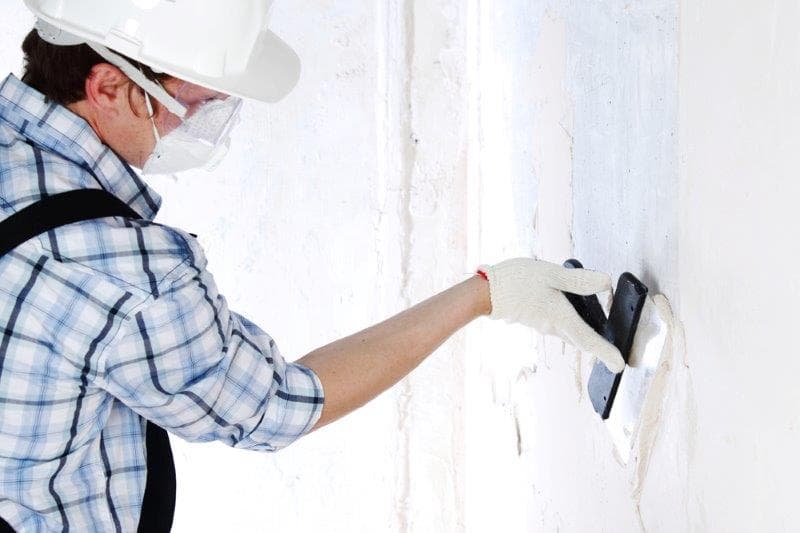
Cardboard-backed gypsum boards quickly became a staple in construction due to their ease of use. However, their most well-known downside remains a certain fragility and lack of impact resistance. Fortunately, there are many products available to repair damaged surfaces with a flawless finish.
Editorial Team
•08 Nov 2023
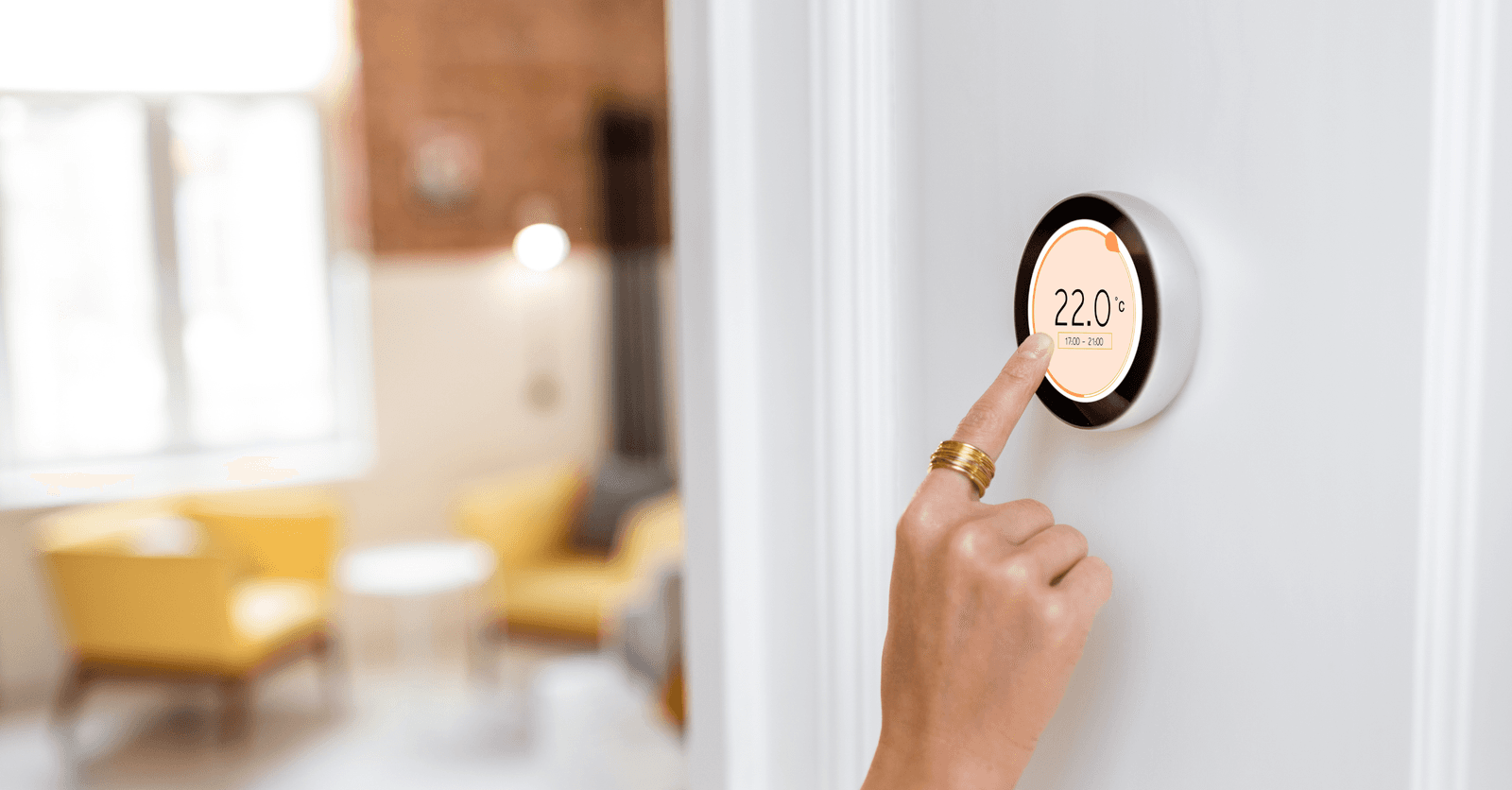
Homeownership almost always entails ongoing repairs, renovations, or upgrades. Note that on average, Quebecers allocate 64% of their residential energy expenditures to heating, and the costs can amount to $1,200 for an average-sized home. Surely, upgrading a heating system is a significant investment, but a wise decision in terms of energy conservation and minimizing consumption costs.
Léa Plourde-Archer
•17 Feb 2025
Are you planning on renovating your kitchen? This process can be long and complicated, as it involves several steps as well as a number of factors that can affect the price, the duration of the work and the durability of the materials.

Léa Plourde-Archer
•08 Nov 2023
After months of preparing for our big renovation project, we finally got down to business and met with an interior designer. We chose to work with Vivre Autrement, a company led by designer Valérie Bourget.
Équipe éditoriale
•05 Dec 2025
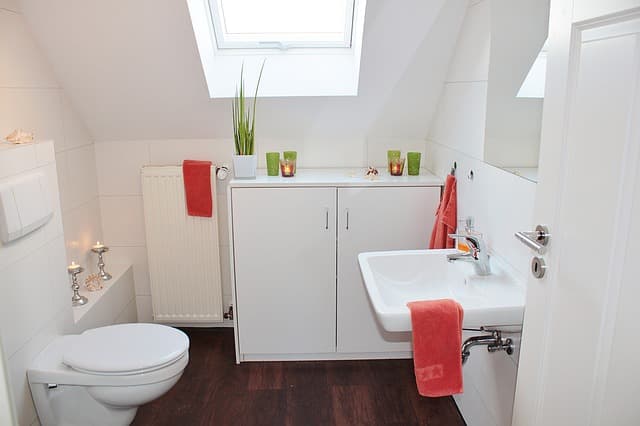
The bathroom deals with a lot of messy situations: water spillage, makeup stains, humidity buildup and general wear and tear. This small space requires special attention and care, as taking on so much daily drama means materials and surfaces don't last as long.