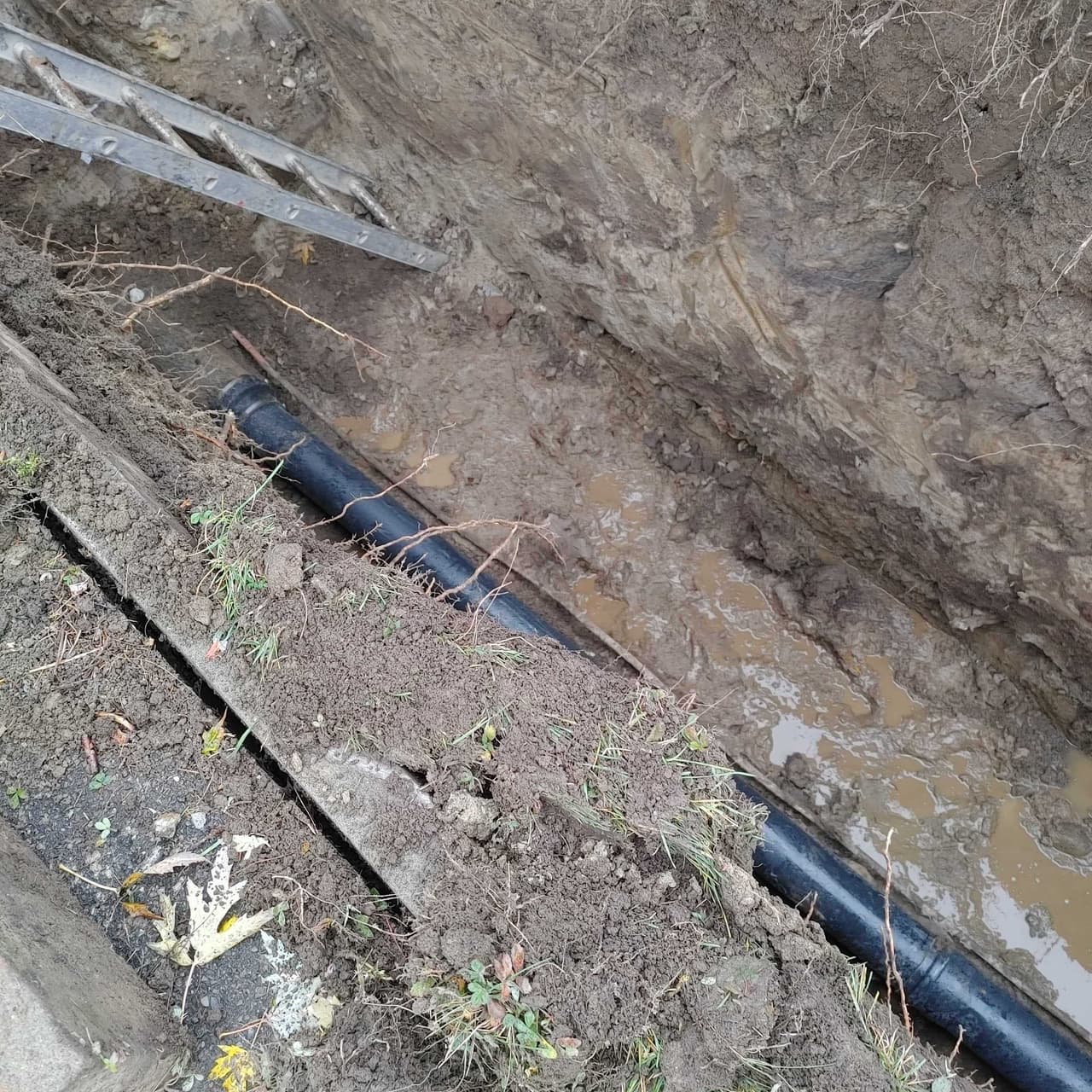
Albeit we rarely hear about potential sewer pipe issues that can hinder the proper use of sanitary facilities, those with older homes will, sooner or later, have to deal with such problems.
What happens when an exterior pipe is damaged and its integrity is compromised? This is exactly the question that will be answered in this article, which was, unfortunately, written based on personal experience.
Sewer Line Problem: How to Fix It
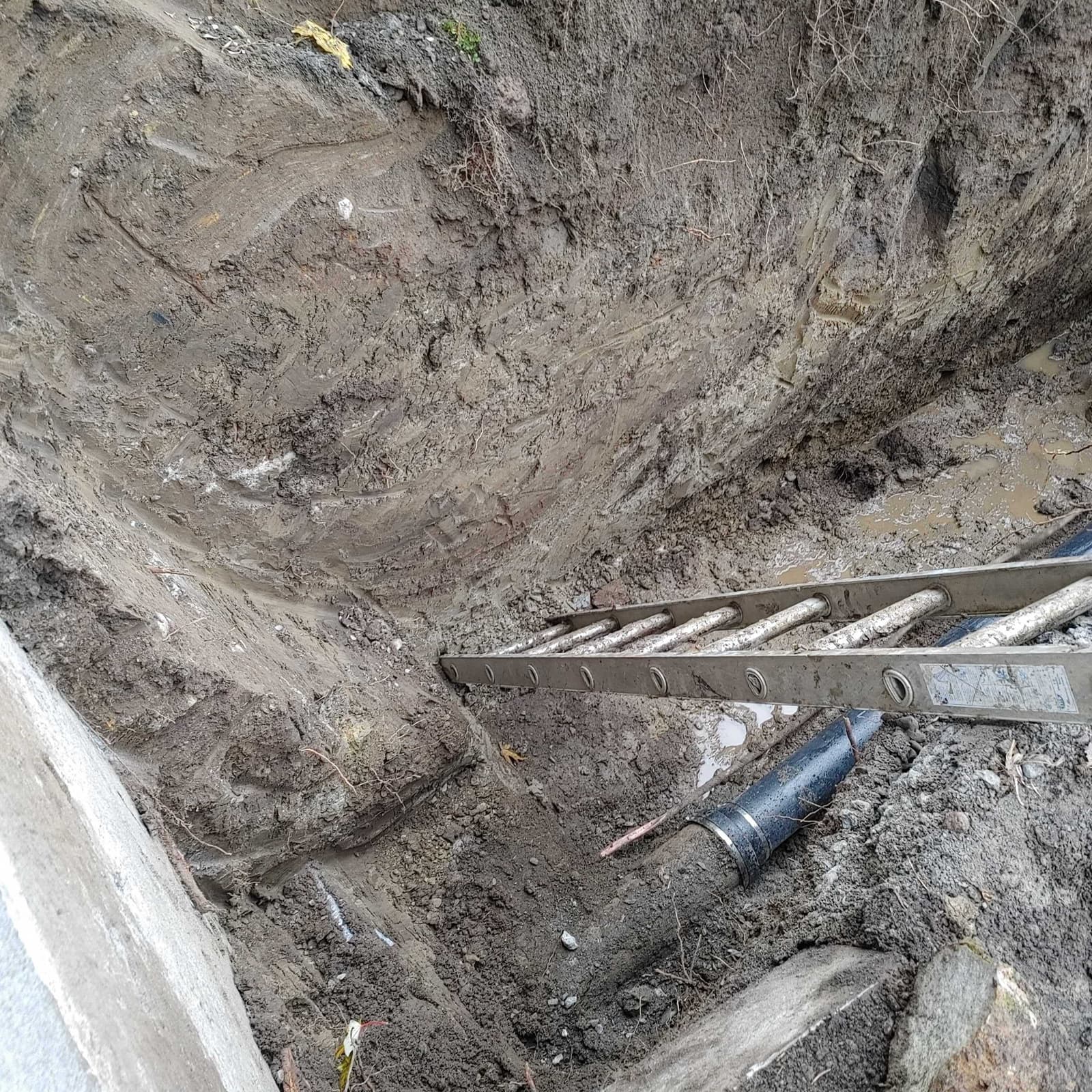
Before we contextualize why this type of problem mainly concerns older homes (mine was built in 1964), we first have to state that the rules and regulations in effect at the time were very different than those today. Back then, pipes were often made of fibre-cement, which results in the following problems over time:
Pipe deterioration resulting from a build-up of limescale found inside the pipeline, which limits the possible flow;
Pipe deterioration resulting from corrosion;
Poorly-sealed pipes can lead to roots migrating inside the lines through small fissures, thus preventing proper water flow.
Root-Clogged Pipes: Warning Signs
Now that’s, at the very least, really annoying! Prior to listing the steps one must take to remedy this highly problematic situation, let’s first specify the warning signs that should give you a proper heads-up.
Do you have a bathroom in the basement? If you start noticing that the toilet often clogs and the shower appears to not drain as it should, you should really start asking yourself questions. Also, if the shower drain emits a foul smell, that’s another warning sign you shouldn’t ignore.
There are many follow-up solutions available to you, however, note that they’re not all as efficient as the next. First off, you can hire a plumber who will proceed by inserting a drain snake in the pipe, which will then help remove the roots causing the clog. For durable and long-lasting results, a high-pressure wash can also be worthwhile. In any case, you’ll definitely have to deal with a company specializing in this type of project.
In either case, bear in mind that roots can always clog the sewer line again, given that the pipes weren’t restored in the first place. Note that roots can creep into a hole as tiny as that of a pin needle’s head.
From that moment on, root proliferation can magnify the opening, meaning slowly, but surely, exacerbate the situation. So, how exactly do you come about fixing this problem once and for all? The other solution available to you would be to hire a French drain contractor; such an expert will have the required expertise in the matter to excavate your yard and replace your faulty pipe.
Replacing a Sewer Line
Find a contractor
First things first, you’ll need to find the right contractor for the job. Ideally, get three quotes so you can compare costs from one company to the next. Once you’ve looked over and compared the quotes with a clear head, you can make your final and informed decision.
Does it require a permit?
Once you’ve signed the contract, inquire with your municipality as to whether a permit or approbation is required. When it comes to an excavation project of this sort, you’ll need to obtain one document or the other. Note that the document will be submitted to the contractor responsible for the work. As such, make sure you have this information on hand when you contact the relevant authorities.
Also, know that the municipality in question can ask you to have an updated certificate of location on hand, albeit this wasn’t the case when I went through this process. To be considered valid, the latter must not have been issued more than 5 years prior to the date in question. Lastly, don’t wait too long before submitting your request. It may be worth inquiring as to the type of delay associated with obtaining such a permit or authorization certificate.
Workflow
The good news is that, when it comes to such a project, on average, it only lasts a couple of days. In my case, a single day was sufficient to complete the work.
Although the excavation process can, on occasion, unmask unexpected problems, no issue will complicate the task at hand for the hired contractor. The excavation took a few hours, enough time to reach the faulty pipe. Unsurprisingly, one could spot the area where the roots crept inside the pipe.
As for replacing the damaged pipe, the old fibre-cement line was replaced by an all-new PVC (thermoplastic), 6-inch wide black pipe, according to the standards that were in effect in my town at the time. A 150 mm connection bed using 0-¾ gravel was laid under the pipe as well as the same amount of backfill, again using the same type of gravel. Note that a 1% slope should be respected to ensure the pipe’s proper functioning.
Land Damage
As alluded to in prior paragraphs, you’ll have to mourn your current landscaping if you decide to move forward with this type of project. Unfortunately, land damage is simply collateral damage and par for the course. For this reason, it’s especially important to put any yard work or landscaping project on hold if you deem excavation work a necessity in the near future.
Sewer Line Replacement: Costs
As for my project, the excavation work targeted replacing roughly 30 feet of a sewer pipe. As such, the total cost came out to $6,400 (tax included). This price includes labour required to carry out the work, as well as backfilling the area in question.
Note that the costs related to restoring the yard or any landscaping work aren’t included. Therefore, make sure to take these additional fees into account when putting together your renovation budget.
Your sewer line problem isn’t caused by the growth of roots inside your pipe? Check out this article for more solutions. (French only)
Get 3 renovation quotes for your general contractor-assisted project
RenoQuotes.com can help you get quotes from a general contractor. By submitting your project, we’ll put you in contact with top-rated contractors. Fill in the form on the homepage (it only takes a few minutes) and get estimates from trusted professionals.
Dial 1-844 828-1588 to speak with one of our customer service representatives.
Looking for something else?
Related articles
The latest industry news, interviews, technologies, and resources.

Editorial Team
•09 Jul 2025
Dreaming of moments of relaxation and swimming? Installing a fibreglass pool means choosing thermal comfort, minimal maintenance, and exceptional durability.

Editorial Team
•08 Nov 2023
We can’t deny that painting usually turns out to be a time-consuming activity. Most homeowners love the idea of a fresh coat of paint, but the process of getting there can be tricky. This labour-intensive job needs attention to detail and perseverance, especially if you’re dealing with the age-old debate of how many coats of paint are necessary.

Cynthia Pigeon
•28 Sep 2026
Planning home renovation work in Quebec requires rigour and a strong understanding of the local economic reality. Whether you own an older duplex in Montréal, a modern condo in Québec City, or a single-family home in Estrie, using price benchmarks adapted to the Quebec market is essential.

Léa Plourde-Archer
•08 Nov 2023
Doesn't the idea of a rooftop terrace sound lovely? Of course it does and as a result, this project is becoming more and more common. This outdoor area can be turned into a pleasant and unique space for socializing and enjoying the sun.

Editorial Team
•13 May 2026
A staircase renovation project is essential to transforming not only the look of your foyer and interior but also its functionality and safety. A well-designed and renovated staircase is crucial to your home’s aesthetic appeal while adhering to mandatory safety standards.