Accessory Dwelling Unit in Canada: Costs, Rules, and How to Choose a Contractor in 2026
By Cynthia Pigeon
Updated on April 27, 2026
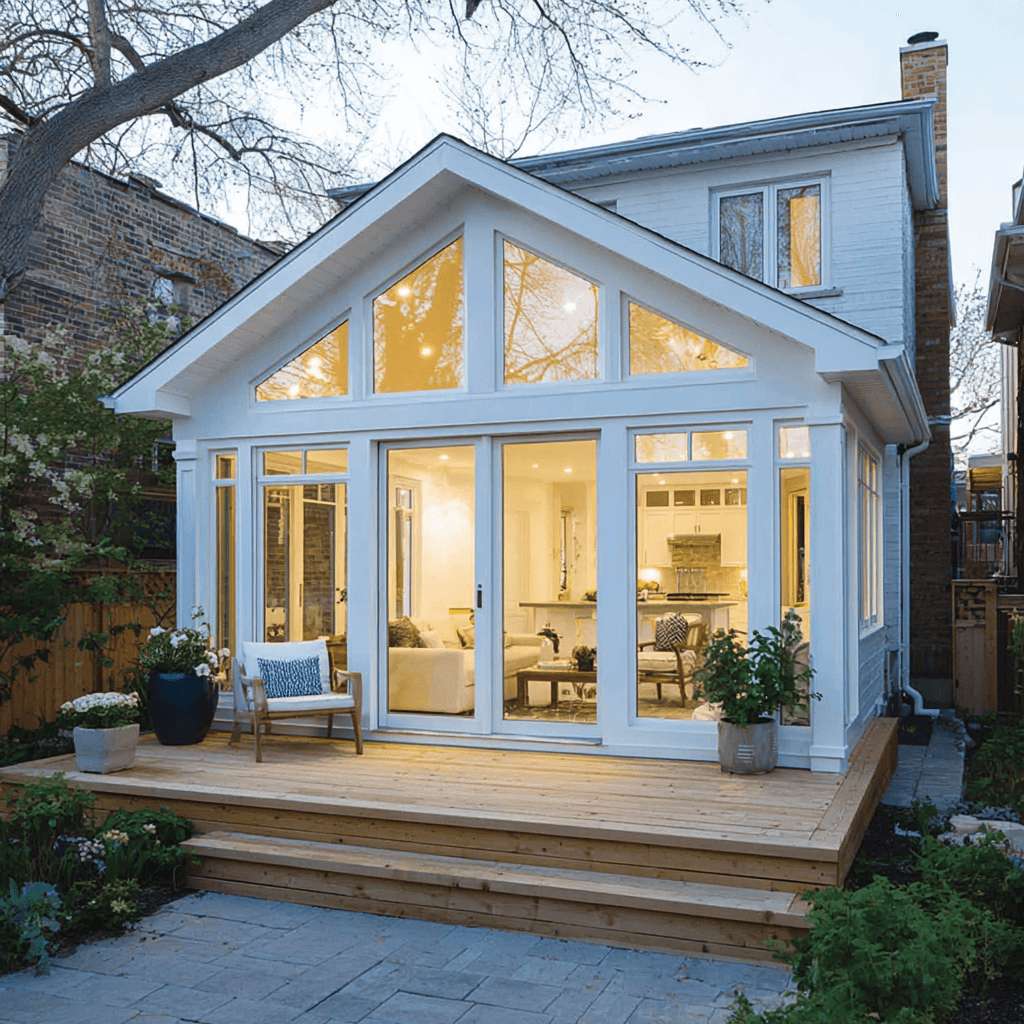
To successfully build an accessory dwelling unit (ADU) in Canada, you need to hire a licensed contractor who understands complex utility connections and evolving municipal zoning regulations. This type of gentle densification project requires strict compliance with fire safety standards and the National Building Code (or your province’s equivalent) to ensure legality and protect your property’s resale value. In 2026, working with a specialist is often the most efficient way to turn your home into a profitable asset while meeting local utility and municipal requirements.
Accessory Dwelling Unit Contractor in Canada: A Guide to Transforming Your Property
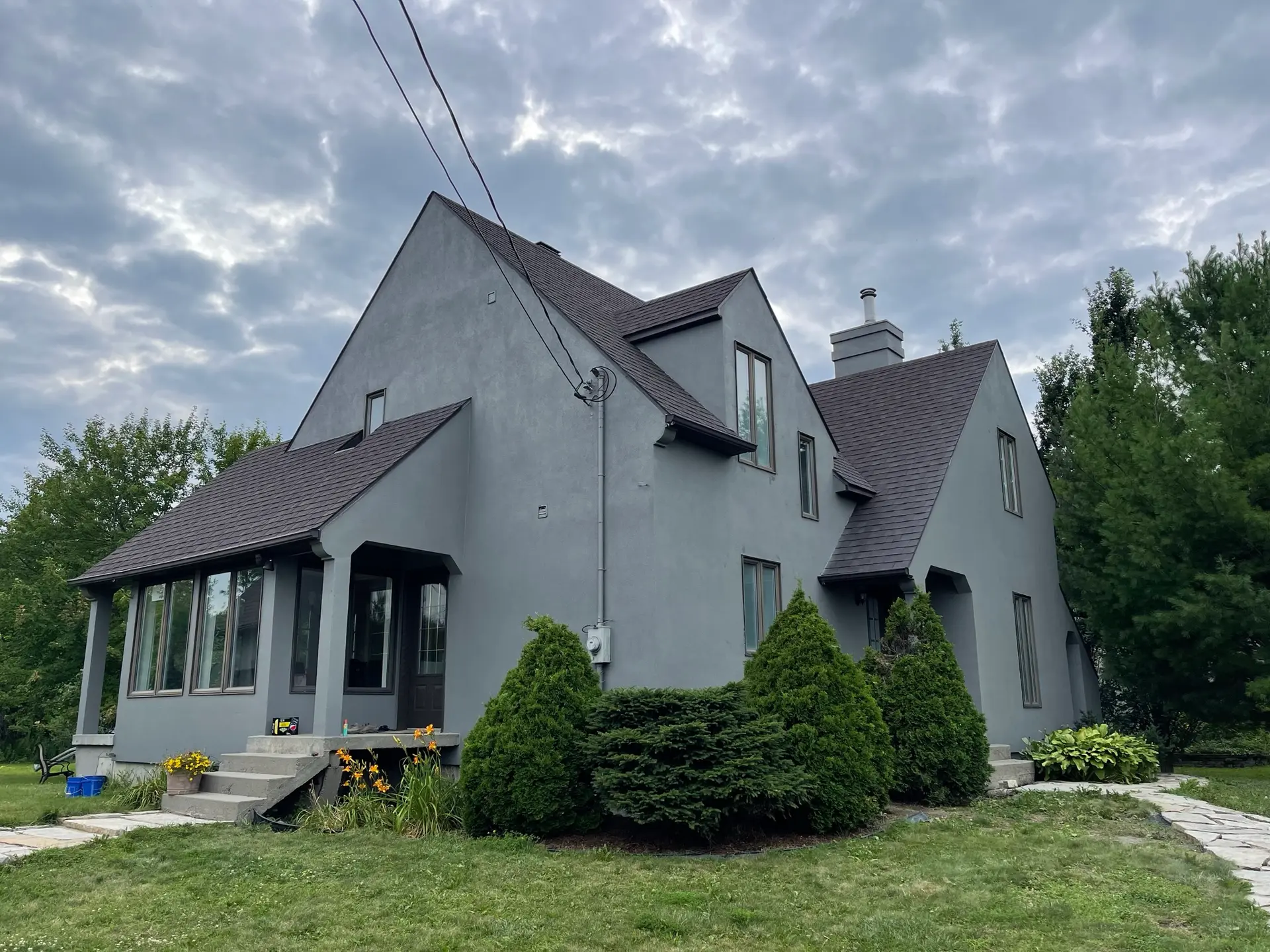
Source: 9482-6732 Québec inc.
Amid rising housing costs and affordability challenges, more Canadians are turning to accessory dwelling units, or secondary suites. Whether it’s to house an aging parent (multigenerational living), provide independence for a young adult, or generate rental income, adding a secondary dwelling unit is a major but strategic project.
However, converting a basement into a rental apartment or building a backyard garden suite is not something to approach casually. Between building code requirements and municipal zoning bylaws, choosing the right contractor is the most critical factor for success.
Why Are Accessory Dwelling Units Becoming So Popular in Canada?
An accessory dwelling unit (ADU), also known as a secondary suite or in-law suite, is a self-contained living space located on the same lot as a single-family home. It includes its own kitchen, bathroom, and private entrance.
Across Canada, this trend reflects a broader push toward gentle densification. Municipalities are increasingly allowing these projects to reduce urban sprawl and improve housing supply.
Multigenerational suites: Ideal for keeping family members close while maintaining privacy.
Garden suites: Detached structures, reminiscent of the tiny house, that maximize underused backyard space.
Basement suites: The most common and cost-effective way to add living space.
Beyond the social benefits, this is a strong financial strategy. Real estate analysts estimate that a compliant ADU can increase a property’s market value by 15% to 25%, depending on quality and location.
How to Choose the Right Contractor for an ADU
Source: RenoQuotes
You don’t hire a contractor for an ADU the same way you would for a simple renovation. You need a general contractor with experience in change-of-use projects and secondary dwelling construction.
Licensing: The Non-Negotiable Requirement
Your contractor must hold a valid provincial or municipal licence, depending on local regulations. This ensures they meet competency standards and carry the necessary insurance and bonding to protect you in case of defects or disputes.
Experience With Conversions and Additions
Source: 5 Piliers Inc.
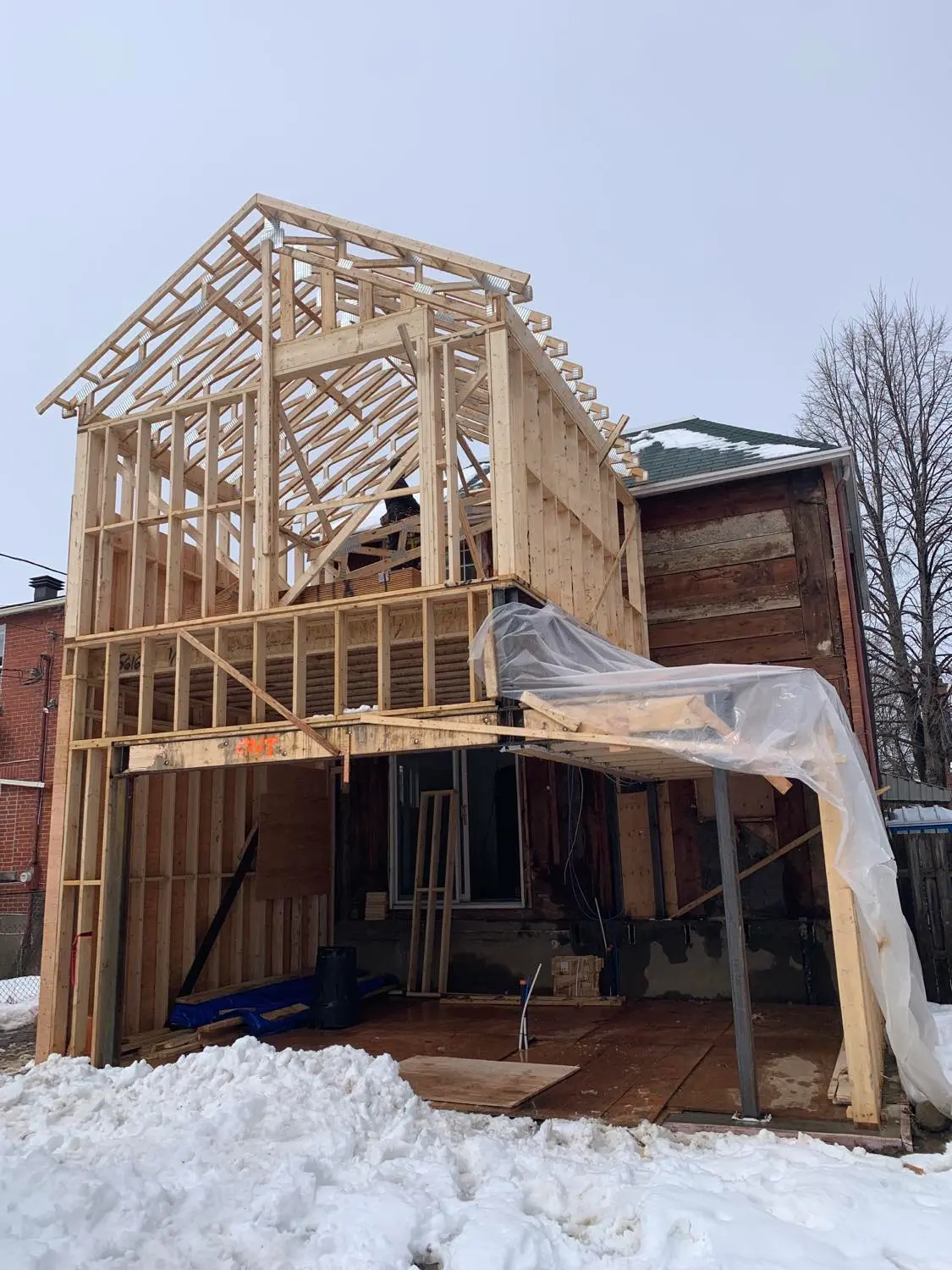
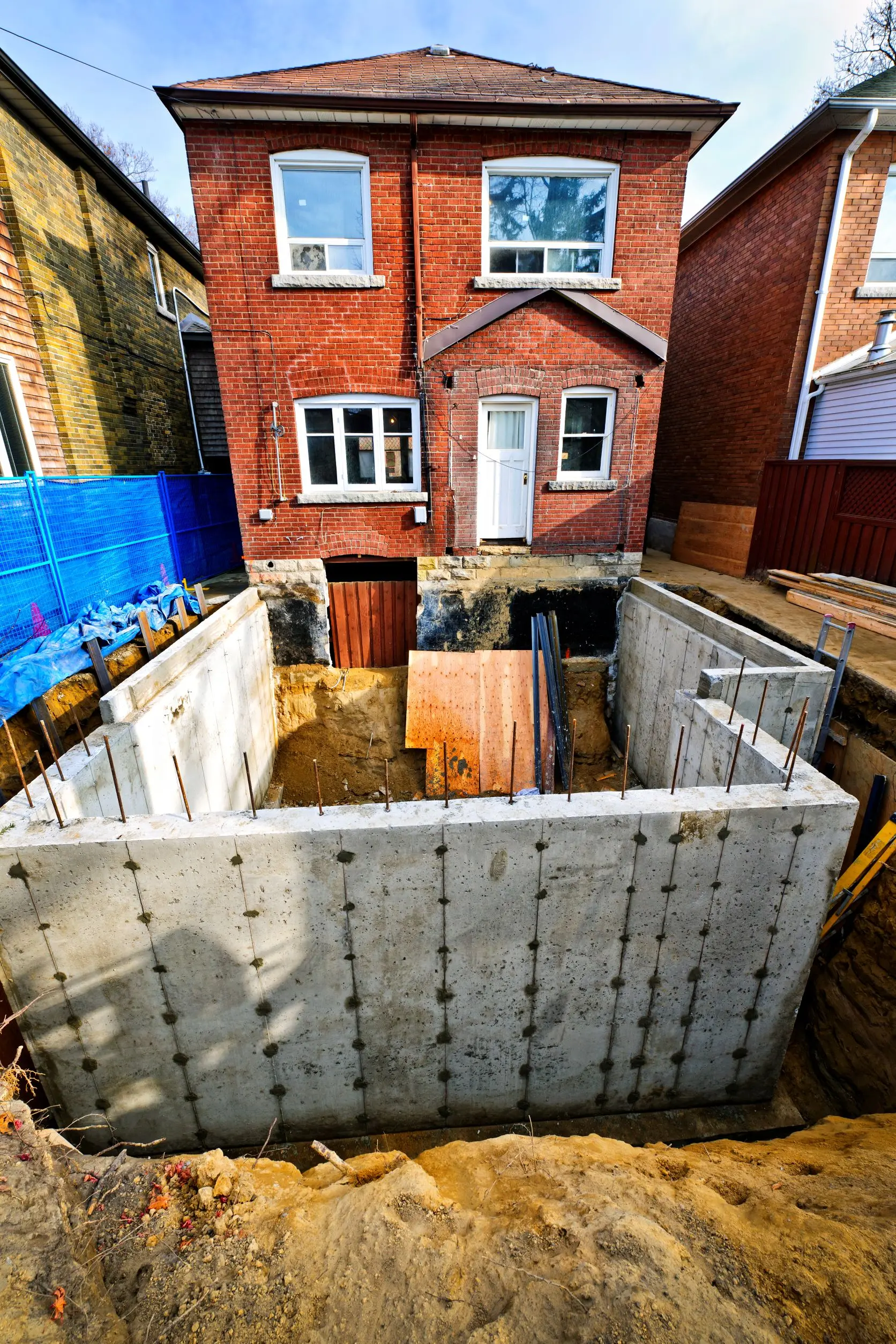
Building an ADU often involves structural modifications, such as altering load-bearing elements, excavating for new entrances, or upgrading the building envelope. When comparing quotes, ask for examples of similar projects completed in your province, especially those involving soundproofing and thermal insulation—both critical for occupant comfort and code compliance.
Zoning and Regulations: The Real Challenge
The biggest obstacle in most ADU projects isn’t construction—it’s obtaining the right to build. Regulations vary widely between provinces, cities, and even neighbourhoods.
An experienced contractor will begin with a thorough review of local zoning bylaws and permitting requirements. They should be able to confirm:
Maximum allowable size relative to the primary dwelling
Setback requirements (distance from property lines)
Whether additional parking is required
Utilities and Service Connections
Source: Plomberie et Chauffage M.D.
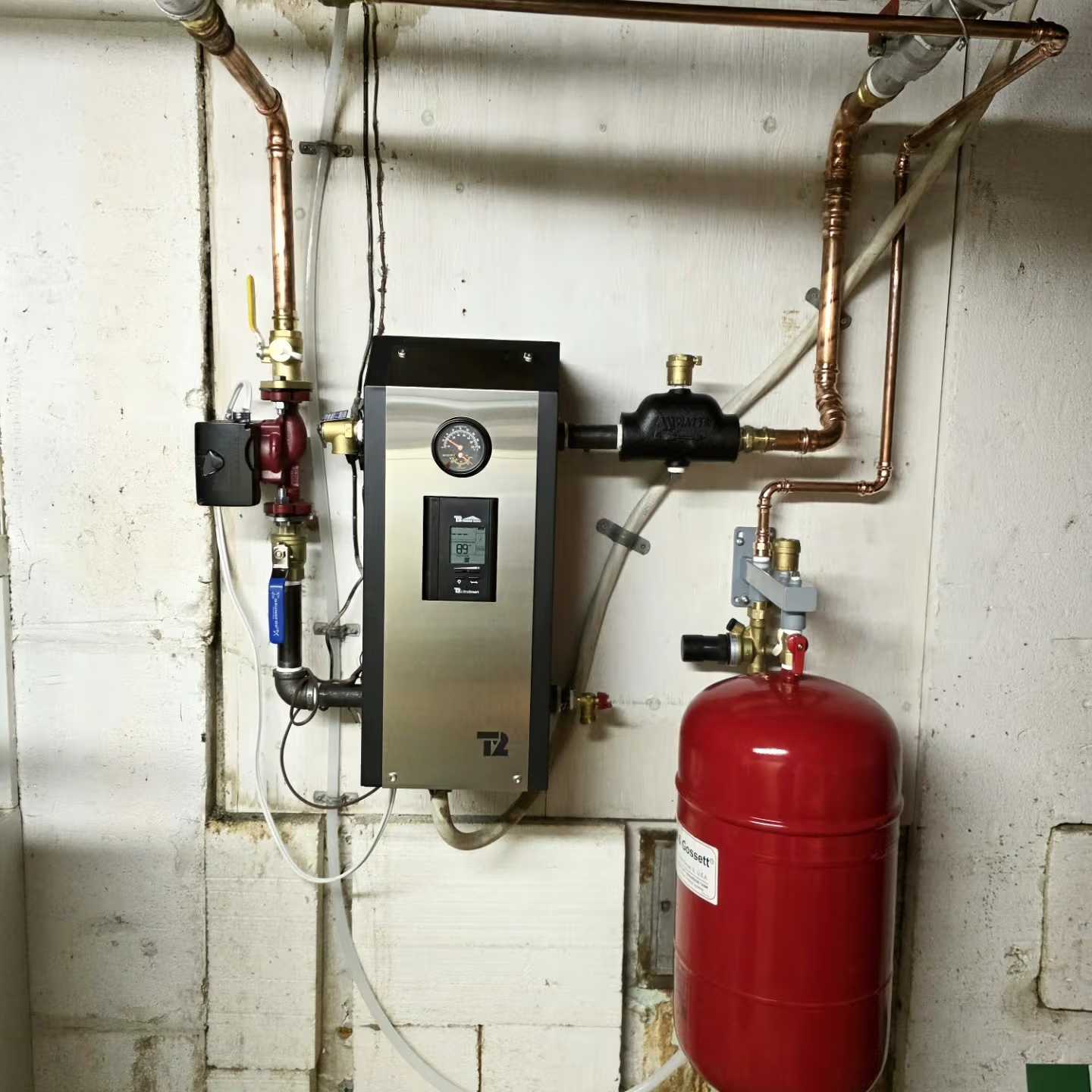
This is where technical complexity increases significantly. Adding an ADU often means increasing demand on electrical, plumbing, and mechanical systems.
Electrical: Do you want a separate meter so tenants can pay their own utilities? This may require coordination with your local utility provider and a licensed electrician.
Plumbing and water services: Connecting to municipal sewer and water systems may require excavation and system upgrades to meet capacity and code requirements. A specialized contractor will manage these underground and mechanical connections without compromising your home’s structural integrity.
Fire Safety and Building Code Requirements
Source: Builda Construction Inc.
Canada’s building codes impose strict requirements for separating dwelling units. To be considered legal, your ADU must include:
Fire-rated separation: Typically achieved with Type X drywall assemblies and mineral wool insulation between units.
Emergency egress: Each bedroom must have a code-compliant egress window.
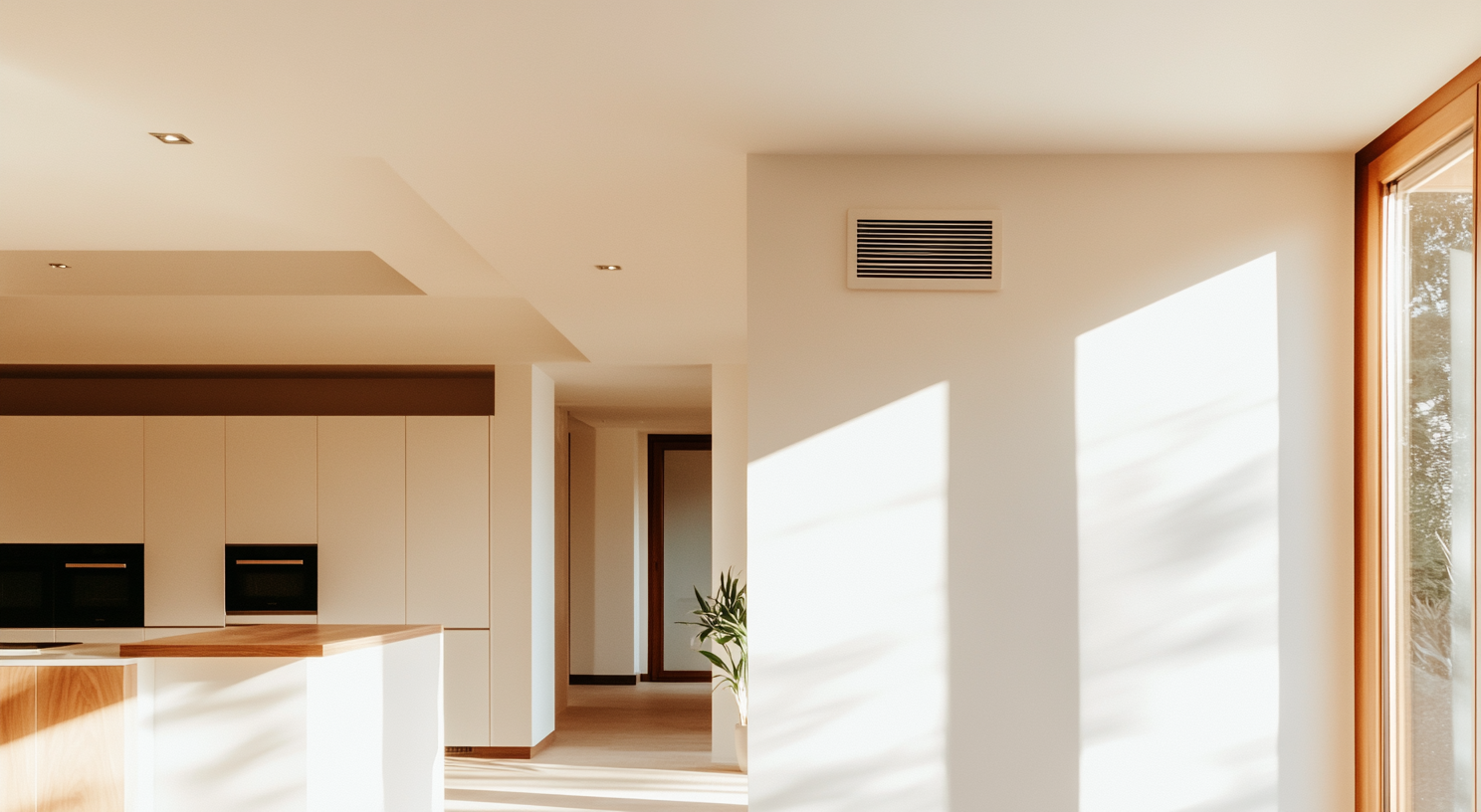
Proper ventilation: Each unit must have adequate heating and ventilation. In some cases, shared systems are permitted if properly sealed, but dedicated systems are often recommended to reduce risk.
How Much Does an ADU Cost in Canada in 2026?
Due to rising material costs and labour shortages, construction prices have increased across the country. Here are realistic price ranges for 2026:
Project Type | Estimated Cost (Materials and Labour) |
Basement conversion | $70,000 – $150,000 |
Home addition (side or second storey) | $140,000 – $280,000 |
Garden suite (detached unit) | $160,000 – $380,000 |
Note: These estimates typically include permits, architectural plans, and utility connections.
Financial Incentives and Rebates
Be sure to explore available government programs and rebates. Depending on your province, you may qualify for:
Energy efficiency incentives (e.g., heat pump rebates)
Multigenerational housing tax credits
Municipal grants supporting densification projects
Check with your provincial housing authority and local municipality for current programs.
Maximize Your Investment With the Right Partner
Building an accessory dwelling unit is one of the smartest investments a Canadian homeowner can make in 2026. However, the margin for error is small. Zoning mistakes or code violations can turn your project into a costly issue during resale.
By choosing a contractor who understands local regulations, building codes, and climate-specific challenges, you ensure a durable, safe, and fully compliant construction. Take the time to compare detailed quotes and verify references. Your home is your most valuable asset—entrust its transformation to a professional who knows how to maximize every square foot.
Looking for something else?
Related articles
The latest industry news, interviews, technologies, and resources.
Editorial Team
•09 Jan 2024
Regardless if it’s large or small, almost every renovation project is going to involve careful planning, close attention to detail, patience and perseverance. For the novice builder among us, you may not understand what each stage of a building project entails. If you’re hoping to take on a frame alteration, a renovation or a completely new build, there are some aspects you’ll need to consider.
Editorial Team
•08 Nov 2023
Every homeowner is likely looking for ways to make their bathroom experience more enjoyable. There are plenty of accessories that can be installed in this room, but none quite as luxurious as the bidet.
Editorial Team
•24 Jan 2025
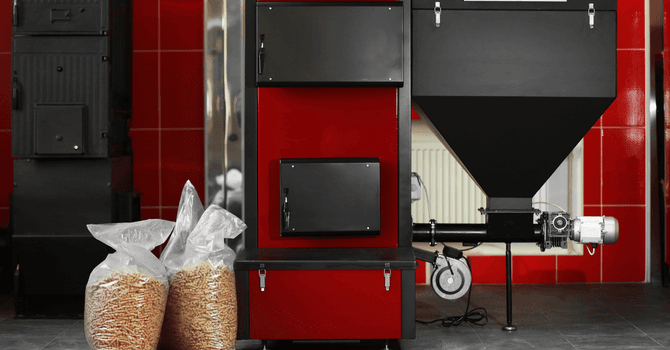
Since the use of forest biomass stems from renewable sources and, consequently, fosters our environment conservation efforts, you risk hearing a lot more about this heating fuel. The cost of biomass is still relatively low and stable, making it an interesting local resource on many levels, including a worthwhile space heating or primary heating fuel option.
Editorial Team
•10 Feb 2025
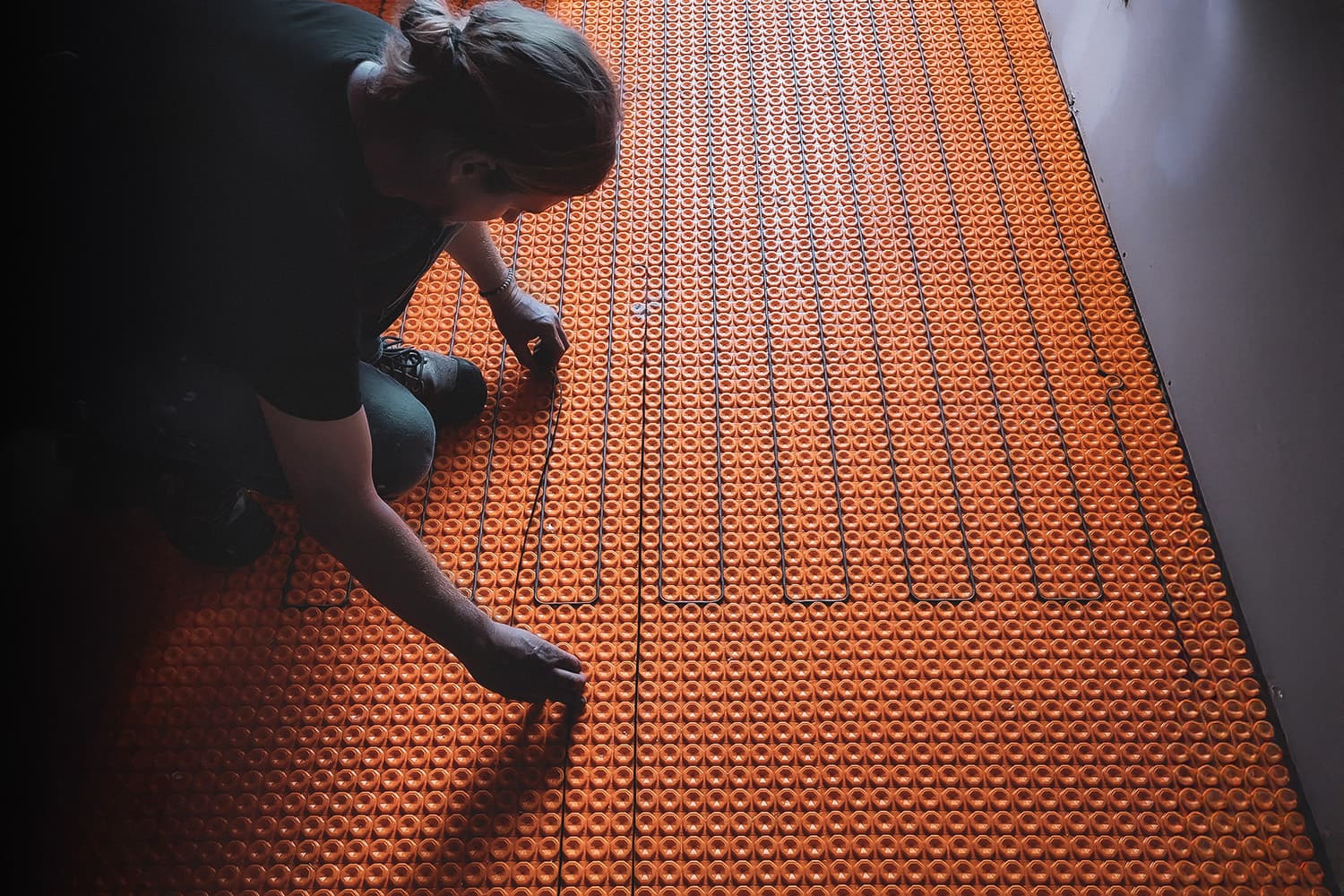
Imagine never having to step onto an ice-cold floor again. Underfloor heating, also known as radiant floor heating, offers exceptional thermal comfort and is a great fit for both new constructions and energy-efficient home renovations.

Editorial Team
•25 Aug 2025
Nowadays, industries that don't have dealings with subcontractors or outsourcers are scarce. For example, in the construction industry, contractors can resort to hiring the services of a subcontractor if they don’t have the required time to carry out a given project themselves.