Everything to Know About Window Spacers
By Cynthia Pigeon
Updated on November 8, 2023
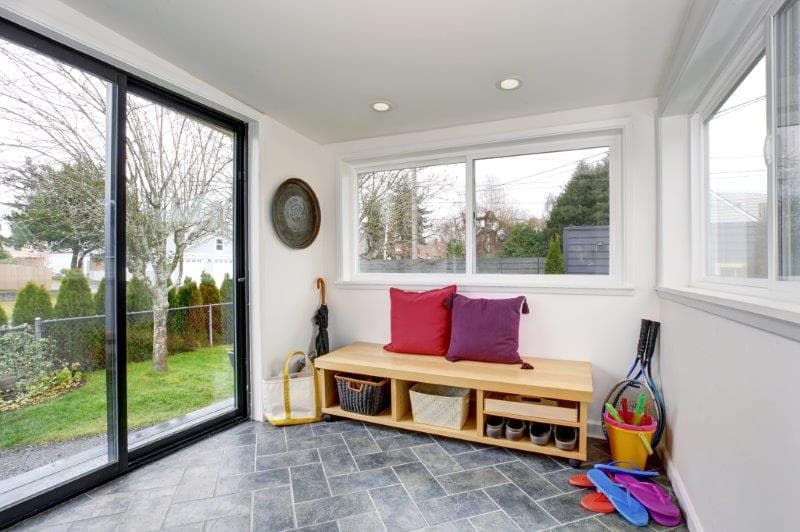
Did you know that windows and glass doors are majorly responsible for heat loss in homes? Therefore, energy efficiency is a determining factor when it comes to changing your windows to maximize energy savings.
Shopping for windows can be overwhelming, especially if you have limited knowledge regarding insulation and energy efficiency. In Quebec, the winters are harsh, therefore aesthetics should definitely not be the sole consideration when buying new windows. Consequently, sturdiness, airtightness, glass quality, energy efficiency (EE), and acoustic properties should all be taken into account.
The various structural components of a double-glazed window include glass, compression seals, sash, frame, and spacer, which are essential components for thermal windows. Learn more about the window spacer!

Photo: Pixabay
What Is a Window Spacer?
A spacer is a feature that separates the individual panes of glass, whether in a double or triple-glazed window (in the latter case, there will be two spacers). This rigid part of the window comes in various materials such as steel, plastic, stainless steel, or aluminum, and is usually supplemented with an insulator. The spacer creates a gap between the windows, which is either filled with air or argon gas. In most cases, the latter option is retained as argon is actually less conductive than air, which limits heat loss.
The spacer and its insulator are crucial to the durability of your window, as these elements maintain the air or argon gas between the windows, thus preventing condensation and maintaining the window's thermal efficiency. Note that the glass and the spacer form a unit that is hermetically sealed against moisture and air.
The desiccant coated on the inside of the liner serves as a barrier against humidity. A desiccant is actually a moisture absorber, which is frequently added to packages to prevent moisture from damaging the contents. Its composition can vary, but it is most often in the form of silica gel or a similar substance.
Overview: Purpose of a Window Spacer
Improve window thermal resistance (R-value) through low conductivity;
Retain gas in the sealed unit to maintain the same performance over time;
Prevent moisture from entering the sealed unit.

Photo: Deposit Photo
Window Spacer: Most Efficient Material
Spacers are made from a variety of materials including steel, aluminum, stainless steel, and plastic. The material you select is paramount to ensure that you get the best performance possible from your spacer. Although the majority of spacers are often made of aluminum, your best bet is plastic.
Unlike aluminum, plastic is much less conductive and less likely to create a thermal bridge between the interior and exterior of the glass panes. A thermal bridge is the main cause of condensation around the window, which must be avoided at all costs. Note that with plastic, you lose 20% to 30% less heat.
Warm Edge Spacer
Another available option is the warm edge technology. Designed for thermoplastic glazing with double or triple layers of glass, the warm-edge spacer acts as a protection against thermal bridges.
The warm edge spacer is made of a synthetic membrane and a combination of plastic and fibreglass. Its surface is covered with a thin layer of stainless steel sheet. Note that this type of spacer traps heat inside the glass, which gives it an excellent energy-efficient performance.

Photo: Deposit Photo
Tips for Choosing Thermal Windows
The ER rating and Energy Star® certification are two essential references that will allow you to make an informed decision about your new thermal windows. With good reason, these two indicators account for all of the product’s attributes, rather than just one or more of its components.
Energy Efficiency Criteria (ER)
The ER rating measures the overall efficiency of a window. The rating takes into account the window’s ability to generate heat from solar energy during the winter and its potential to prevent heat loss through its various components. The numerous performance factors establish the performance rating of a window on a scale of 0 to 50. The higher the ER rating, the higher the energy efficiency of the product.
Energy Star® Certification
Everyone has heard of the trusted Energy Star® certification label for appliances. Yet few people know that this label also applies to windows and doors. Choosing Energy Star®-approved windows offers the possibility of reducing heating costs by up to 10%.
Interestingly enough, some small-sized manufacturers may not be able to qualify for Energy Star® certification since this label is typically reserved for larger brands. However, this does not mean that a tradesman cannot build windows with excellent thermal insulation. So, check with your local tradesmen, you might be surprised!
Looking for more information about doors and windows? Check out our Door and Window Renovation Guide.
Cover Photo: Pexels
Get 3 renovation quotes for your door and windows project
RenoQuotes.com can help you get quotes for your door and windows project. By submitting your project, we’ll put you in contact with top-rated contractors. Fill in the form on the homepage (it only takes a few minutes), and you will get estimates from trusted professionals.
Dial 1-844 828-1588 to speak with one of our customer service representatives.
Looking for something else?
Related articles
The latest industry news, interviews, technologies, and resources.
Cynthia Pigeon
•03 Nov 2025
Are you looking to add hardwood floors in the common areas of your house hoping to create a rustic feel? Cherry wood flooring, although not the cheapest option, has an exotic essence and makes for a durable choice due to its sustainable material.

Editorial Team
•28 May 2024
Modern pavers are, without a doubt, a hit with regard to their elegant shape, most often polished finish, and beautiful shades that are both rich and refined.

Editorial Team
•25 May 2026
Montrealers love a good DIY moment. There’s something in the culture that says: why pay someone for a simple fix when a screwdriver and a ten-minute video might do it? Fair. Sometimes that’s exactly the right move.
Editorial Team
•02 Aug 2024
Installing a French drain correctly is crucial for managing water flow and preventing costly moisture damage to your property. By understanding and avoiding these common mistakes, you can ensure your French drain system works efficiently and protects your home for years to come.
Cynthia Pigeon
•22 Apr 2026
For a basement apartment (often referred to as a secondary suite) to be considered compliant in Canada in 2026, several requirements must generally be met, including those based on the National Building Code of Canada and applicable municipal bylaws. Common criteria typically include a minimum ceiling height of around 1.95 m (6 ft 5 in), egress windows providing a minimum unobstructed opening of approximately 0.35 m² per bedroom, and proper fire separation between units. That said, requirements can vary significantly depending on the province, municipality, and type of building. Failing to comply may lead to serious consequences, such as fines, insurance limitations, or restrictions on renting out the unit.