Bulging Brick Walls and Bowed Walls: How to Identify and Solve the Issue
By Editorial Team
Updated on November 8, 2023
Canada's weather conditions make life particularly hard for homes. Fortunately for us, new buildings are much more efficient in terms of preventing air and water infiltrations from happening. However, old buildings may experience significant deterioration due to changes in temperature.
Among the common problems caused by this type of situation is the bulging brick wall.
Among these, we find the bulging brick wall.
What causes bulging brick walls (or bowed brick walls)?
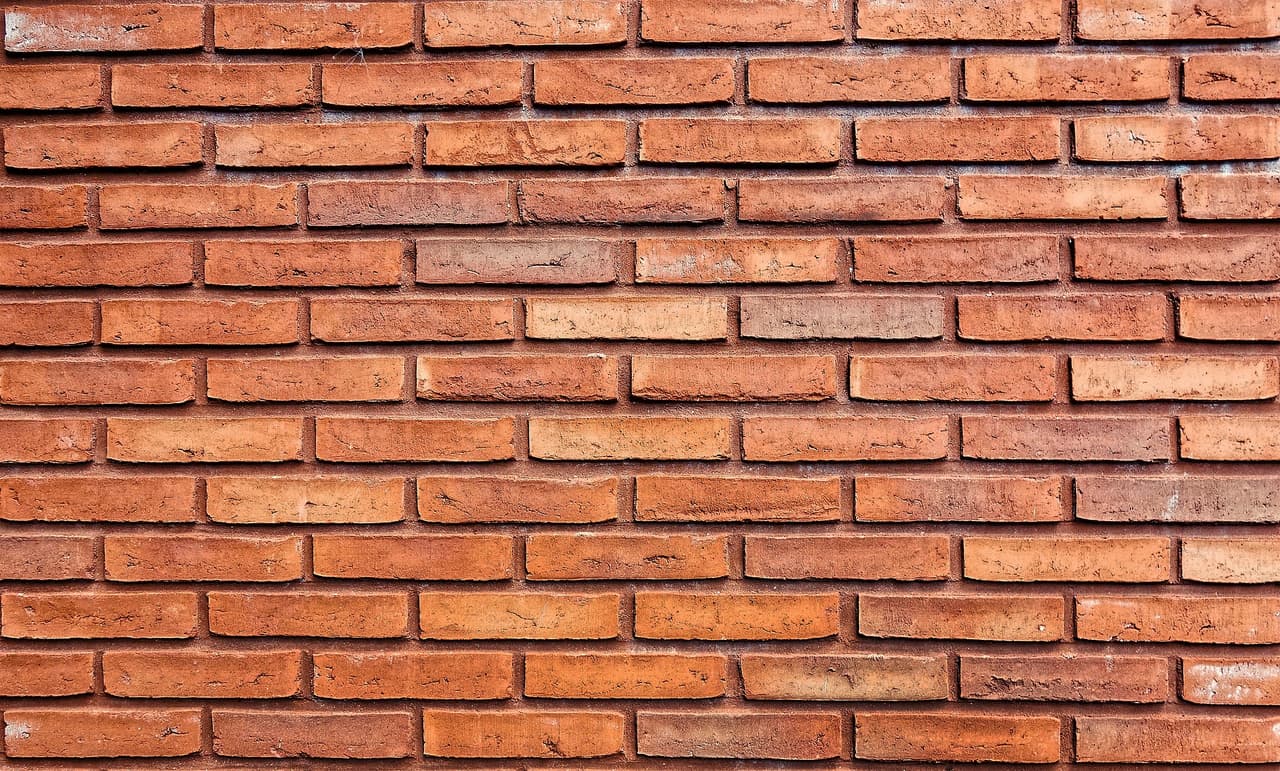
Frequently used in the field of masonry, these expressions refer to the curved appearance that can appear on the brick exterior siding of the walls of a house. The deteriorations lead to the appearance of spaces between the siding and the structure.
The bricks break off gradually to form a swelling, which is what we call the bulging wall or bowed wall. This problem occurs most often at the top of walls, but it can also be found in other areas. This type of situation often requires a quick intervention as it can cause enormous damage, potentially leading to a full collapse of the wall.
Water infiltration in the visible cracks of the foundation;
Rust appearing around the anchors;
Humidity of the walls;
Deterioration of mortars and joints;
Displacement or detachment of the coating.
It should be noted that the climate and the change of seasons play a large role in causing bulging brick walls and affecting the lifespan of the materials.

How to identify a bulging brick wall / bowed brick wall
A good visual inspection is enough to detect a bulging brick problem on your facade. If you notice unusual swelling in the brick or stone, do not delay in having your home inspected by a professional. The latter will be able to diagnose the problem and define the work that needs to be completed.
Another element that could help you detect this phenomenon is the windows. If you find that they seem to go inside the wall abnormally and that the bricks appear higher, then there is a good chance that it is indeed a bulging wall problem.

How to repair a bowed brick wall
If the bulging is more than 2 inches, you may have to rebuild the entire facade. It could be possible to only replace the bricks in the section that is causing problems but achieving optimal stability of the wall isn't guaranteed with this type of solution.
Since a bulging wall weakens the whole structure, it is best to change all bricks, even those that look fine. If the bulging is less than 2 inches, the wall can be repaired without rebuilding. The mason will inject lime into the bulging section and add specific screws or ties to solidify the wall.
He may also install a steel beam to support the affected area. After they have properly examined your wall, the mason will tell you which option is best in your case. Don’t try to do it alone since the result will affect the stability of your house.
The cost to repair a bulging brick wall
If you're having a bowed brick wall problem, one of the questions you will surely be wondering about is the cost of repairs. In general, the fees are located somewhere between $30 and $48 per square foot. However, the price may vary depending on the size of the bump and the complexity of the work. To get a better idea of the amount to pay, you will need to consult a masonry expert.
Click here to know the prices of other masonry projects.

The dangers caused by bulging brick walls
If your home is prone to bulging walls, then it must be repaired and quickly! This problem could lead to bricks or stones falling and endanger your family as well as your home. The space that will form as the wall starts bulging may favour the accumulation of water behind the bricks. The problem is even more common during cold periods because the freezing of water may lead to expansion that pushes the bricks.
How to prevent this problem
The bulging wall is directly caused by water infiltrations. For this reason, it is necessary to frequently inspect your brick facade for cracks. Moisture is an important factor in the development of the problem because water seeping into the walls without a chance to evaporate may cause the bricks to bulge. Keep an eye on your walls in the fall and spring as temperatures change.
The appearance of a bulging brick wall problem is not insignificant. So stay alert and contact a professional as needed because you will never be safe in the light of fluctuating weather conditions.
Get 3 renovation quotes for your bulging brick wall problem
RenoQuotes.com can help you get quotes to repair your bulging brick walls(bowed brick walls. If you submit your project to us, we’ll put you in contact with the best masons in our contractor network. Fill in the form (it only takes a few minutes), and you will receive quotes from qualified masons and home renovation companies.
Dial 1-844 828-1588 to speak with one of our customer service representatives.
Looking for something else?
Related articles
The latest industry news, interviews, technologies, and resources.
Editorial Team
•08 Nov 2023
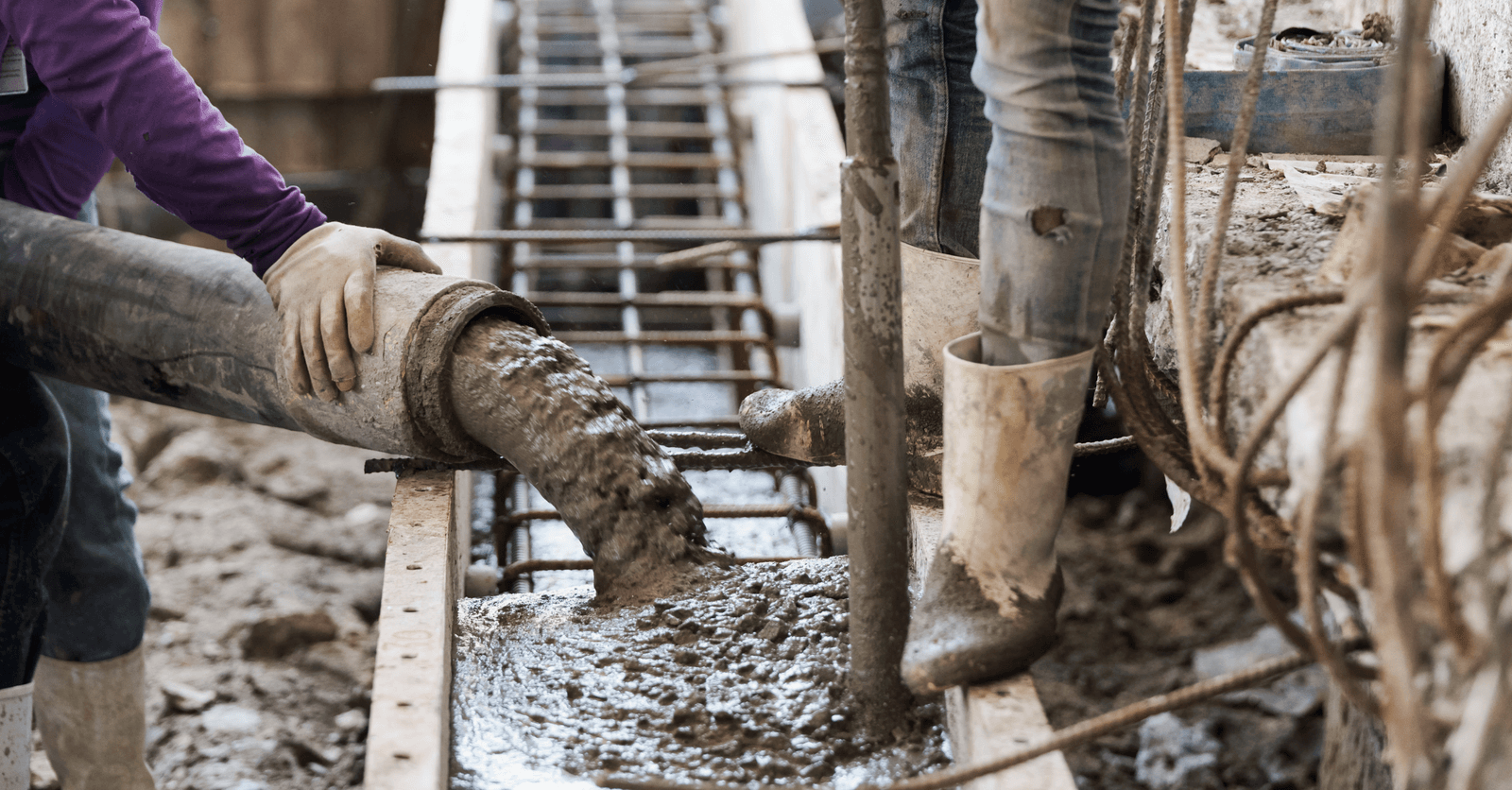
Fibre-reinforced concrete was a definite turning point in the construction industry. Designed to offset the brittleness of standard concrete and with a low-tensile strength, fibre-reinforced concrete sets a new record. As a result, some mixtures allow for fewer rebar use on construction sites since this material can withstand tensile forces of 2,300 MPa, compared to standard concrete’s 500 MPa.

Editorial Team
•08 Nov 2023
The garage is a multipurpose room that has the potential to serve several functions. With lots of homeowners using this space to hold items that aren't exactly necessary for everyday use, it's important to think about how storage can be created to maximize the potential of this room.

Editorial Team
•29 Sep 2026
In Quebec, summertime is short-lived. Since we want to enjoy it as much as possible, we rarely hesitate to make our backyards a full-on, outdoor living space. No matter the design or layout, a patio or deck remains the centrepiece. This versatile space can be used as a living room, a dining room, and a remote office. Six months out of the year, it’s a household fan favourite. Since it has an expiration date, your deck might have lost its charm or is no longer suitable in size or location.
Cynthia Pigeon
•28 Apr 2026
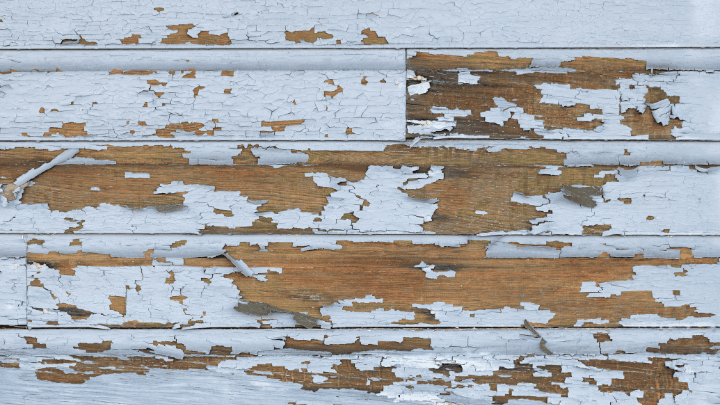
Have you detected the presence of lead paint in your home? As you might already know, this matter can be hazardous to your health and that of your family.

Editorial Team
•08 Nov 2023
The kitchen island is a beautiful and transformative design element that is highly functional and can also serve several purposes such as extra storage, more seating, and an additional workspace. A kitchen island is also a sound investment when considering that many prospective home buyers will be further enticed by this addition.