How to Identify a Problem with Your Kitchen Faucet
By Editorial Team
Updated on November 8, 2023

Although modern kitchen faucets are well-built and designed, they aren’t invincible, so don’t be alarmed when a fault occurs.
After years of water flowing through its body, your faucet and its parts will obviously begin to wear. However, issues with your kitchen faucet will be minor plumbing emergencies that you can surely take care of on your own.
With this in mind, it is important for homeowners to know the signs of a problematic faucet. Remember, if you’re good with small repairs you will be able to tackle some common issues with this hardware. However, if the plumbing job is bigger, it is worth contacting a professional.
Regardless of whether you can complete the repair yourself, there are a few key ways to identify issues and act so you can keep your faucet looking and running as good as new.
5 common problems with a kitchen faucet
1. Dripping Faucet
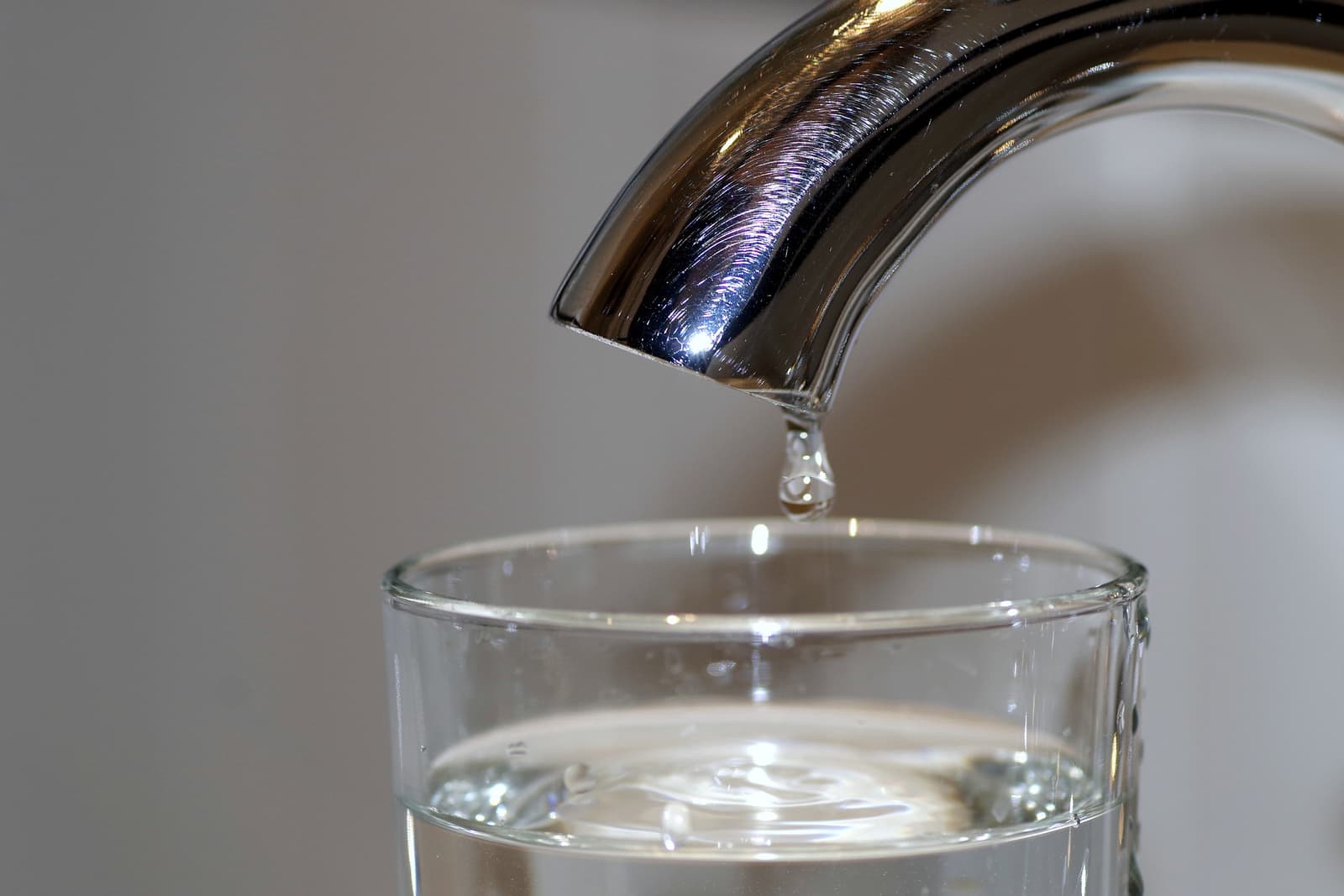
If you’re finding that your kitchen faucet won’t stop running even after you’ve turned the hot and cold off, then this could point to a potential problem. Not only is the sound of a dripping faucet annoying, it will send your water bill up a few dollars.
As water enters your home, it is pressurized to move through the taps. When the tap is off, washers inside the pipes are working to prevent more water from working its way out. Over time, washers wear and can become stiff, torn or loose.
This is what causes water to drip from the faucet. This is a minor repair job that any homeowner can easily fix. Check out our step-by-step guide to fixing your leaky kitchen faucet. If you notice that the valve seat has become worn or corroded, the repair job will be more involved and should be left up to a professional plumber.
Also, worth noting is that not all sinks have washers, and some ceramic taps use durable ceramic plates to seal in water. This repair job is complex and should be completed by a professional.
2. Low Water Pressure
When you turn on your tap and find the water refusing to make waves, this is because you have low water pressure. The water that runs through the pipes of your home carries dissolved minerals that deposit themselves on metal surfaces. Over time, these mineral deposits collect on inner surfaces, including your kitchen faucet. Luckily, many kitchen faucets have aerators that unscrew from the tip. These can be cleaned by soaking the piece overnight in a vinegar solution, which will work to dissolve the deposits that have settled.
If low water pressure continues after you’ve cleaned this piece, the issue may be more complex. This could point to a leaky pipe which could become an emergency plumbing job if left too long. In more serious cases, this could be a problem with your water supply. If you find that you are experiencing low water pressure in other areas of the home or if you find that there is a sudden reduction in water pressure with no known cause, it is recommended that you call a plumber.
3. Rusty Faucet

If your kitchen faucet is showing signs of rust on the outside, chances are it has formed on the inside as well. If this is something that occurs, it is important for you to be extra careful. Rust forming inside your faucet can greatly affect the quality of your tap water. Other forms of wear that you may notice include difficulty turning or moving levers, spray heads or the faucet itself. In all scenarios, it’s probably best if you invest in a new faucet, as there is little to be done when it comes to the general wear and tear of this appliance.
For more details on your kitchen plumbing, check out this article: Everything you need to know about kitchen plumbing.
4. Screeching Faucet
If you’re turning on your faucet to fill up that kettle and you find that it is making a high-pitched sound, then chances are that your rubber washers have worn down. Rubber washers age and harden over time, making a particularly irritating noise when faucet handles are turned. This can be remedied by replacing washers with an inexpensive faucet repair kit, or if you’ve been considering an update for a while, this is the time to invest in a new model.
Another common problem is squeaking handles, this points to the threads of the handle stem becoming worn. This can be repaired by removing the faucet handle and coating the threads of the handle stream with plumber’s grease. This will quiet down that noisy faucet and put your mind at ease.
5. A faucet that sends water in your direction
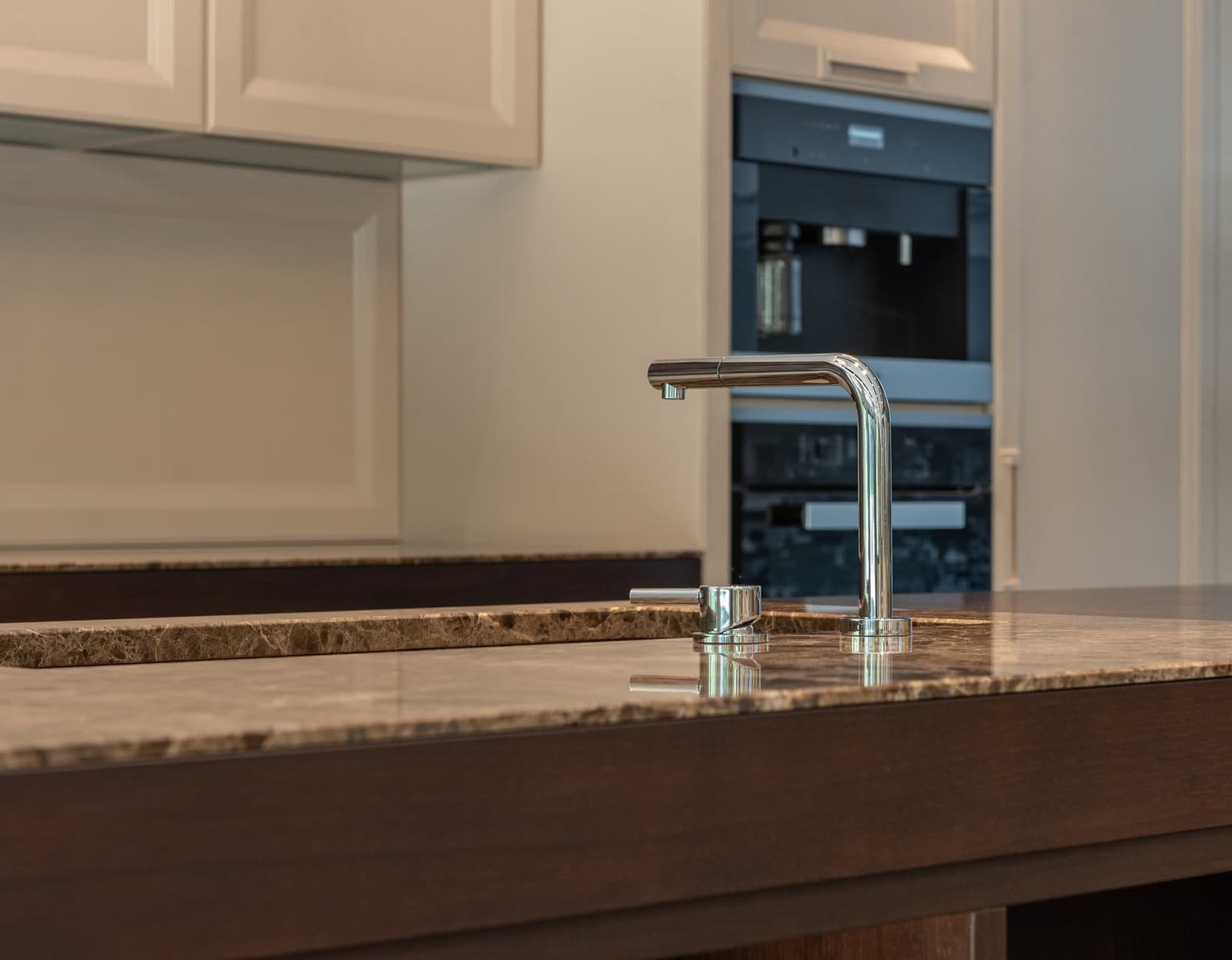
Your faucet can sometimes also send water in your direction. Your faucet’s aerator may be affected by lime buildup, causing the jet to deflect in all directions. An aerator has a fine mesh screen to change the flow.
However, a lime buildup can occur! Fortunately, the solution to this problem is simple: you can unscrew the aerator to clean it. If it is attached directly to the faucet without being able to remove it, put vinegar in a jar and wrap it around the faucet with plastic wrap.
Don't forget to check out our article How to Repair Your Kitchen Faucet to know how to fix your problem.
Get 3 renovation quotes for your kitchen faucet repairs
RenoQuotes.com can help you get quotes for your kitchen renovation project. If you submit your project to us, we’ll put you in contact with top-rated contractors. Fill in the form on the homepage (it only takes a few minutes), and you will get estimates from trusted professionals.
Dial 1-844 828-1588 to speak with one of our customer service representatives
Looking for something else?
Related articles
The latest industry news, interviews, technologies, and resources.
Editorial Team
•17 Feb 2025
Are you planning on undertaking a kitchen renovation project? Are you looking for information about building a kitchen in your new house? A custom-designed kitchen might just be your best option, especially if you’re dreaming of a functional, aesthetic and personalized space.

Editorial Team
•02 Mar 2026
When choosing a front door, one usually considers five essential factors: security, insulation, aesthetics, maintenance, and budget. However, there’s another factor that often takes precedence — lighting. And for that reason alone, more and more homeowners thinking of installing windows and doors Toronto and other parts of Canada are opting for glass-panelled front doors.
Cynthia Pigeon
•17 Apr 2026
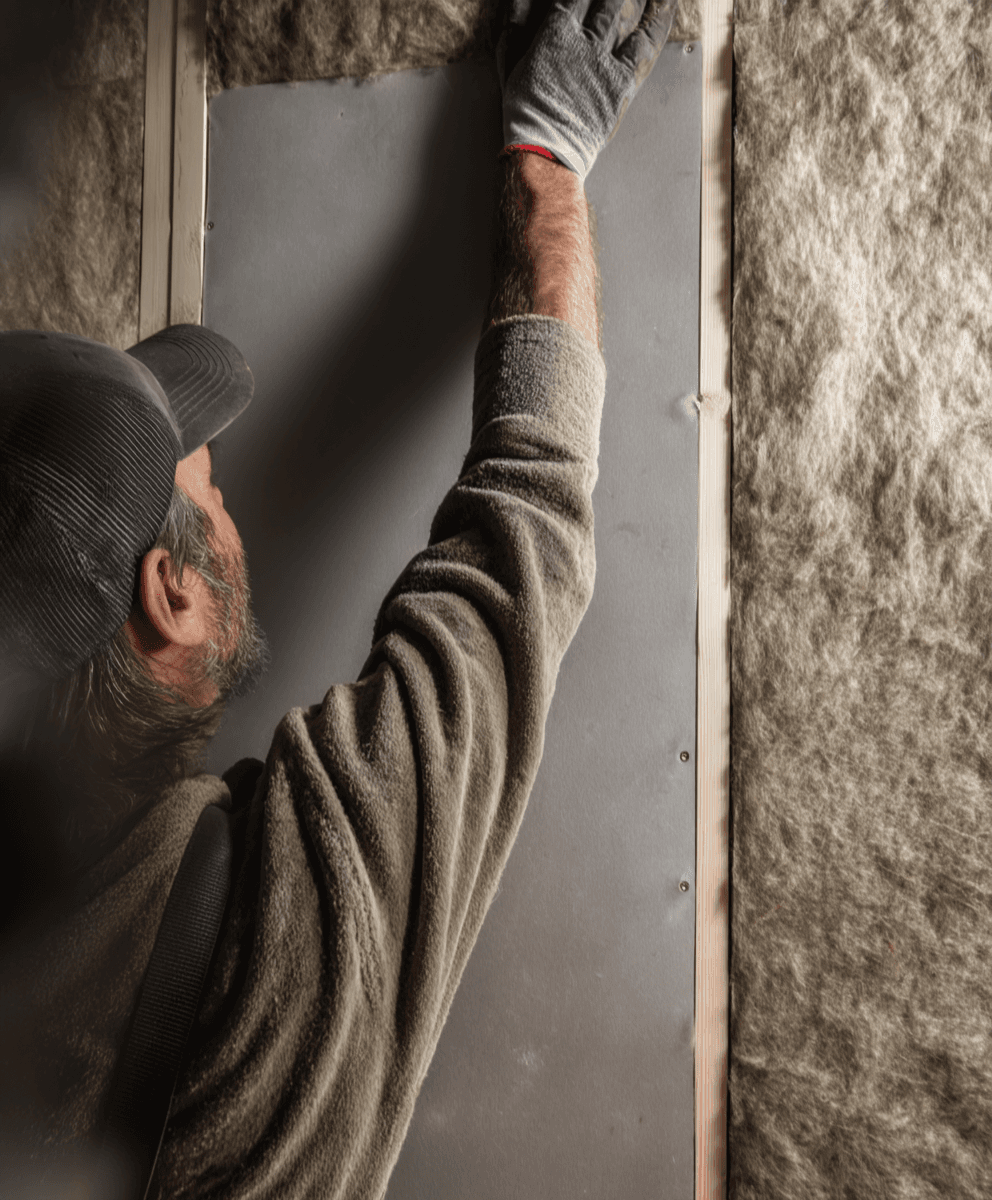
In 2026, wall soundproofing in a Canadian condo typically costs between $15 and $25 per square foot, including labour and specialized materials. For materials alone, expect to pay between $1 and $10 per sq. ft. An effective system usually combines mineral wool insulation, resilient channels, and acoustic drywall (around $40 per sheet). Beyond comfort, soundproofing can also increase your property’s resale value by achieving a higher STC (Sound Transmission Class) than the minimum building code requirements.

Amanda Harvey
•08 Nov 2023
A new home is one of life’s most exciting ventures, and a common question that accompanies this purchase is should I buy it or build it? When looking for the perfect house, it may be difficult to find one that checks all the boxes.

Équipe éditoriale
•08 Nov 2023
If you’re living under a roof where privacy is a privilege, you might be thinking about how you can section off the rooms of your home to make them more intimate. Building a non-bearing interior wall can add an element of separation and independence to even the most open of spaces. This project requires basic carpentry skills, as well as tools to go along with them.