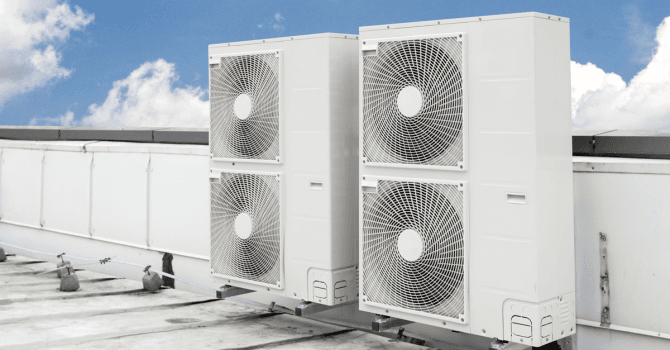
Did you know that indoor air can be 100 times more contaminated than outdoor air? Your HVAC system, aside from keeping your living spaces comfortable year-round, plays a vital role in ensuring you breathe quality air.
Your system, whether it’s a humidifier, dehumidifier, fan, or air filter technology, can make a difference. However, everything has to be in order. A malfunctioning, half-functional, or obstructed system will use more energy and end up being less cost-effective. This article will focus on maintaining your Heating, Ventilation, and Air Conditioning system.
What’s a Heating, Ventilation, and Air Conditioning (HVAC) System?
Source: Canva
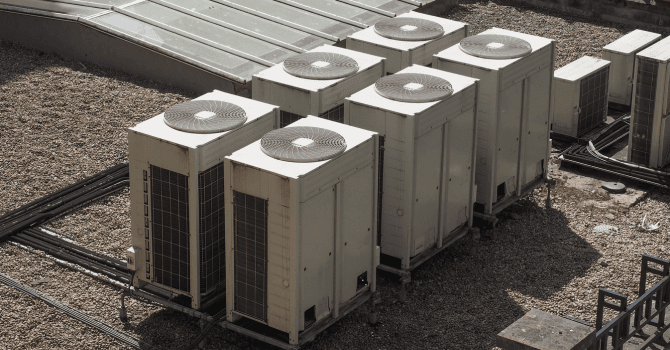
HVAC stands for heating, ventilation, and air conditioning. It’s a system that’s installed inside a residential or commercial building, and it ensures efficient indoor airflow as well as adequate exhaust. Therefore, not only is it responsible for the home’s occupants' well-being and comfort (heating and/or air conditioning), but also the air quality inside the dwelling.
An HVAC system functions as a heater, fan, and air conditioner. To come full cycle, the system requires the following elements: filters, compressors, coils, fans, exhaust vents, ducts, and other electrical components. Some components are located inside the building, while others are situated outside.
While heating and air conditioning functions are vital, ventilation is just as important. An adequate ventilation system circulates a decent quantity of fresh oxygen, whilst eliminating dust, smoke, harmful gasses, and other contaminants. It eliminates most airborne bacteria and controls humidity levels to prevent the growth of mould spores. A proper HVAC installation should also prevent potential hazardous substances from recirculating in the ambient air. Some HVAC systems can also measure carbon monoxide levels in a predefined area.
An HVAC system is far from a luxury, it’s a must-have to both monitor and control the temperature and air quality, as well as relative humidity levels. All that and still saving energy.
The Different Residential HVAC Systems
Source: Canva
Central heating and air conditioning HVAC
This is typically a central heating system combined with an air exchanger. This system centralizes all settings in terms of humidity levels and room temperatures in every part of the house. This system can be customized to include additional functions.
Dustless system
This is a wall-mounted device in a housing unit with a compressor and condenser located outside the home, not unlike a wall-mounted air conditioner.
Air conditioning units
This system is somewhere between a central HVAC system and a ductless unit. Its efficiency is also halfway between the two! The units can be installed both indoors and outdoors.
Window HVAC
The use of this one is recommended in restricted spaces; it’s perfectly suited to small houses, condos, and apartments. The system comes in a single unit. Since it’s rather easy to install, the homeowner or tenant can do it themselves.
Our Ultimate Comfort-Boosting Tips!

Source: Canva
With an HVAC system, all the components work together to ensure the comfort of the home’s occupants. To ensure optimal efficiency at all times, the system must be maintained.
While it’s best to hire a professional or dedicated service to handle the system’s yearly maintenance, as a homeowner, you also have a crucial role to play to ensure the devices are functioning properly. Here’s how:
Make sure that the area surrounding your outdoor unit is devoid of debris to ensure adequate air circulation. Remove leaves and make sure that nearby vegetation isn’t impairing the device’s proper functioning.
You can also inspect the different ducts inside the home to ensure no leaks, deterioration, or damage that could limit the device’s proper functioning and increase energy consumption.
Change the filters every three or four months. When dust and dirt clog the ducts and unit, your HVAC wears prematurely and inconveniences the occupants. And, you could develop various health problems.
Get a smart thermostat! Said device helps you save energy when you’re not home and ensures your comfort when you are! It's a brilliant way to save energy and prolong the service life of your appliances.
Heating, Ventilation, and Air Conditioning Services Available in Canada

Source: Canva
Have you spotted a leak or heard weird noises? The best way to steer clear of unfortunate surprises is to ensure the device is regularly maintained by qualified technicians. It’s a good investment since, in most cases, it prevents the unit from breaking or malfunctioning.
Yearly HVAC maintenance carried out by a professional is highly recommended. Here’s what the latter should include:
Filter inspections
Visual inspection of the device (oil spots, embedded dirt, etc.)
Analysis of the device’s functioning
Analysis of temperature discrepancies
Drain cleaning
Applying antibacterial products
Visual inspection of the outdoor unit
To prolong the service life of your units, maintenance and cleaning should be carried out every 5 years. Along with the above-mentioned maintenance tips, the following should also be done:
Cleaning fans, coils, and unit housing
Steam sanitizing the coils
Get 3 quotes for your HVAC system installation
RenoQuotes.com can help you get quotes for your air conditioning and heating project. If you submit your project, we’ll put you in contact with top-rated contractors. Fill in the form on the homepage (it only takes a few minutes), and you will get estimates from trusted professionals.
Dial 1-844 828-1588 to speak with one of our customer service representatives.
Looking for something else?
Related articles
The latest industry news, interviews, technologies, and resources.

Editorial Team
•16 Aug 2024
Stress, anxiety, insomnia, budget overruns, extended schedules: renovation projects can cause many problems if you’re not properly prepared. The work-family balance is already a challenge, so imagine having to manage renovations and live in a house under construction.
Editorial Team
•10 Apr 2020
Have you outgrown the current look of your bathroom? With the passing years, wear and tear will naturally leave its mark, so it’s quite normal to aspire to a change of scenery.
Léa Plourde-Archer
•23 Sep 2026
Long, cold, and unforgiving, Toronto's winters pose a significant challenge to our homes' building envelopes. Choosing the right doors and windows isn't just about aesthetics; it's a major investment in interior comfort, energy efficiency, and the long-term durability of your home.

Cynthia Pigeon
•04 Aug 2026
When shopping for a video surveillance system to protect your home, battery-powered wireless cameras can be tempting. However, many Canadian homeowners quickly encounter problems during periods of extreme cold or recurring Wi-Fi disruptions. For a secure and reliable smart home, wired technology—particularly Power over Ethernet (PoE)—is one of the most robust options available.

Cynthia Pigeon
•14 Apr 2026
Indoor air quality in Canadian homes is contingent on a delicate balance between airtight construction and proper ventilation. To maintain healthy air, it’s essential to keep humidity levels between 30% and 50% (depending on the season), test your basement for radon, and ensure your heat recovery ventilator (HRV) is regularly maintained. Clean indoor air helps prevent mould growth and reduces the risk of asthma and serious respiratory conditions linked to household pollutants.