Building a garage: attached or detached?
By Editorial Team
Updated on November 8, 2023
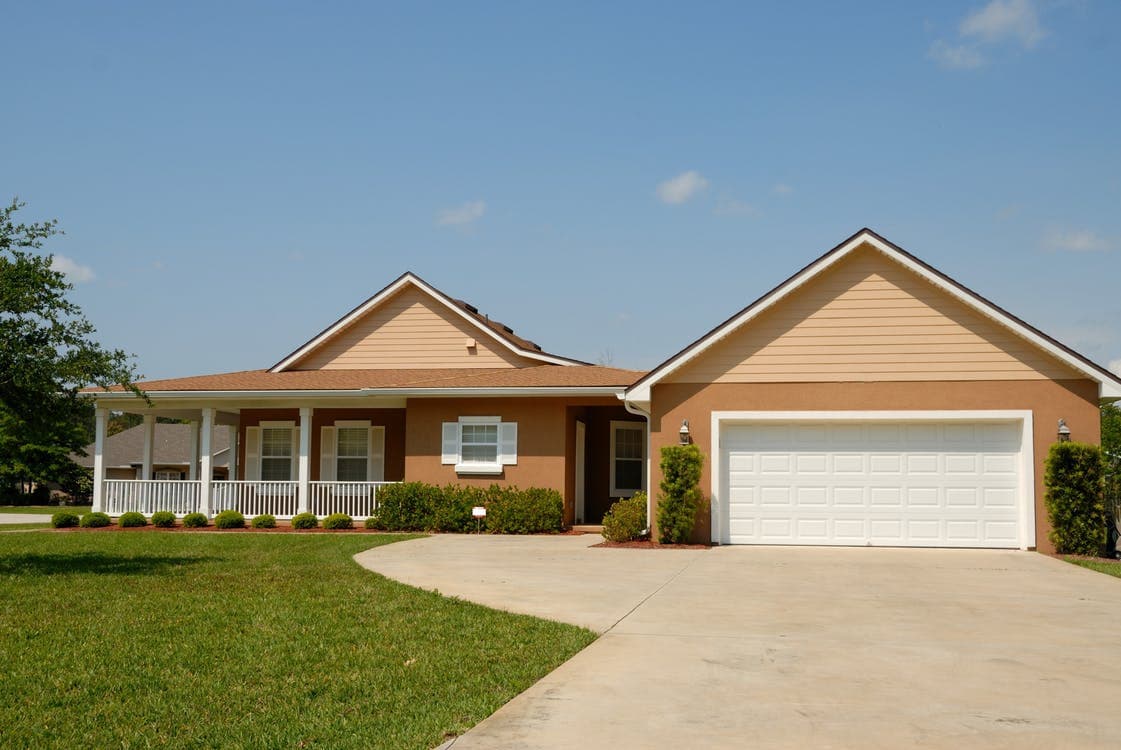
Much more spacious than the shed, the garage is a privileged place to store an impressive quantity of goods, while ensuring your family vehicle safe storage.
When starting a project to build a garage, it can be difficult to choose between a detached or attached model. So, here is a brief look at the advantages and disadvantages of each option.
The advantages of an attached garage

First, note that the attached garage is less expensive than its counterpart. Indeed, as it has a wall in common with the house, construction costs for this project will be reduced. Also, this makes it so that space for the garage is limited to the length of your home.
We should mention that this style of garage has the great advantage of home occupants being able to enter the garage without having to go outside. This is particularly helpful during the winter in periods of extreme cold. Also, it should be noted that if the garage is no longer required to store various goods or vehicles, it will always be possible to convert it to a new purpose.
The attached garage also provides access to additional storage space near the house, which can be used to store items that aren’t used daily. Lastly, a garage that is attached to the house represents a definite advantage for people with reduced mobility, as they will be able to access it without having to face the complications and dangers created by difficult weather conditions.
Some arguments against the attached garage
Since the garage is rarely heated or air-conditioned, extreme cold or extreme heat can affect the temperature inside the house. That is unless the shared wall is well insulated. As a result, the energy costs to maintain a warm temperature inside your home are likely to be higher.
Are you looking for an expert to build a garage? Fill out our form to be put in touch with certified contractors.
Another point worth mentioning is that noises produced inside the garage can also be heard inside the house, which can be annoying from time to time. Besides, any work carried out in the garage and the resulting dust is highly likely to enter the interior of the house.
The advantages of a detached garage

For its part, the detached garage will allow you to choose a location with greater freedom and opt for its installation in a place further from the residence if this option is better suited to your needs. Secondly, the fact that the garage is detached from the exterior wall of your home provides very effective sound insulation.
Another important point to mention about an attached garage is related to the fact that there’s a lower risk level that a fire will spread to your home. Reducing this risk also saves on home insurance costs. Further, the detached garage will prevent any dust and debris generated by the work that takes place in this space from entering the property.
Finally, it should not be overlooked that a detached garage will prevent the entry of carbon monoxide into the interior of the home in the event of a leak.
Some points against the detached garage
It’s impossible to ignore that a detached garage will force you to face the cold, rain and snow, which will undoubtedly be a source of frustration when the time comes to grab something from the garage. It may also prove difficult to find a location in the yard that doesn’t clash with your landscaping.
Municipal regulations for garage construction
It’s imperative to highlight the fact that municipal by-laws concerning the construction of a garage vary widely. Indeed, differences will characterize the area, the lateral margins and the setbacks accepted. So don’t neglect to get information before starting your project.
Attached garage | Detached garage |
Advantages | Advantages |
|
|
Disadvantages | Disadvantages |
|
|
Get 3 renovation quotes for your garage renovation project
RenoQuotes.com can help you get quotes for your garage renovation project. If you submit your project to us, we’ll put you in contact with the most suitable contractors for you. Fill in the form on our homepage (only a few minutes), and you will receive quotes from trusted professionals.
Dial 1-844 828-1588 to speak with one of our customer service representatives
Looking for something else?
Related articles
The latest industry news, interviews, technologies, and resources.
Editorial Team
•08 Nov 2023
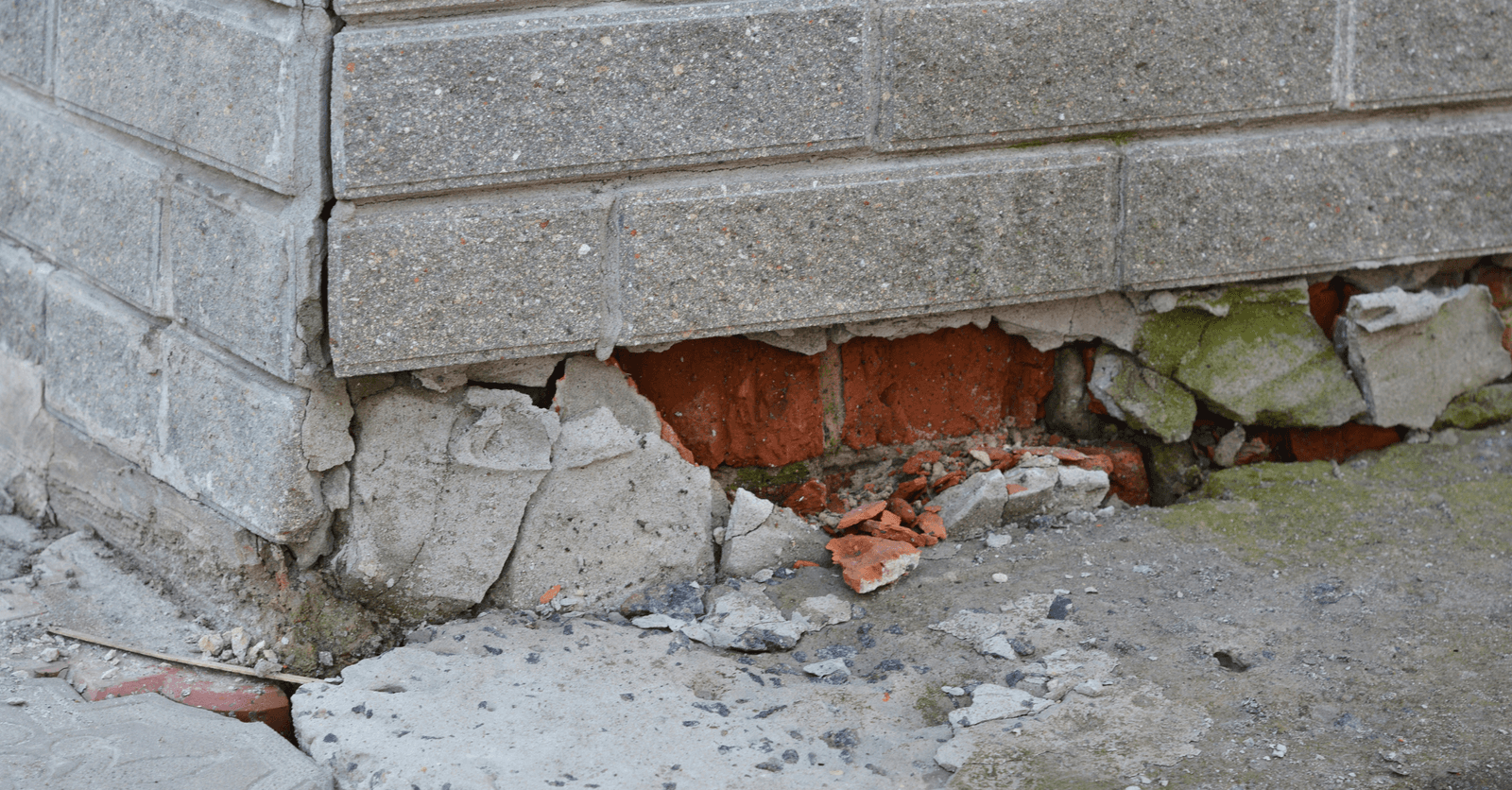
For homeowners, the age of their home and any impending renovations are often a source of stress. Whether it be piping, framing or roofing, if your house is 30 years old or older, it may be time to plan ahead and start looking out for warning signs related to these types of repairs.

Léa Plourde-Archer
•13 May 2024
Is there a lot of clay in the soil around your house? Is the ground slanted or prone to earthwork? If your house doesn’t already have one, you might want to think about digging a crawlspace.

Editorial Team
•08 Nov 2023
Natural light is an essential element for creating a healthy and pleasant living environment. Of course, windows do their part to allow this light to enter our interiors.
Editorial Team
•15 May 2026
If you plan on renovating your house, whether it’s a transformation, remodel, or extension, checking whether you need to apply for a building permit with the city is paramount.
Editorial Team
•31 Mar 2025
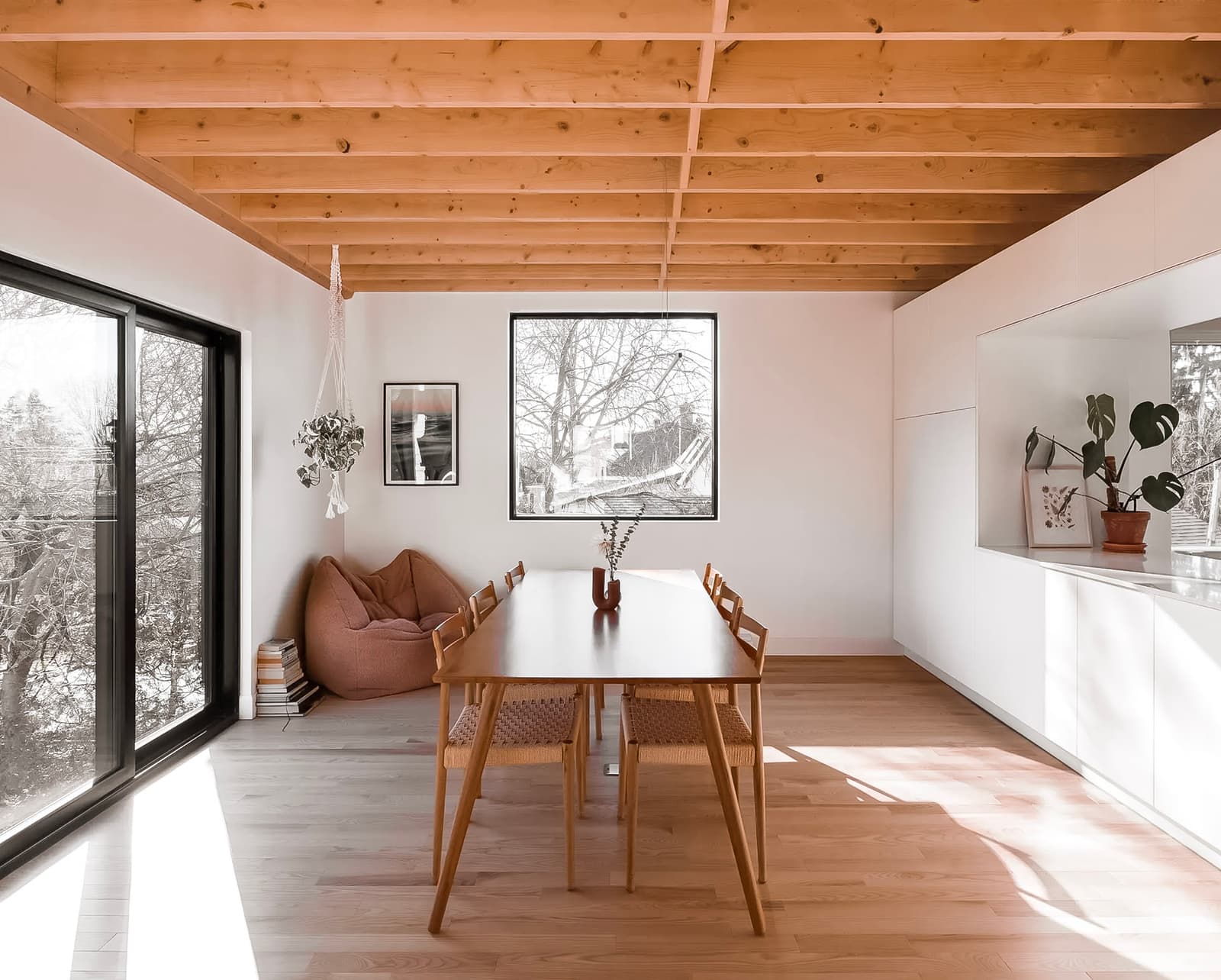
Have you ever asked yourself why 85% of the flooring sold in North America is prefinished? Research shows that this sort of flooring is greatly preferred and a popular choice on account of its slew of advantages.