Fixer-Upper in Canada 2026: Hidden Costs That Can Blow Your Budget
By Cynthia Pigeon
Updated on April 24, 2026

In 2026, the illusion of a low-cost fixer-upper is colliding with the reality of persistent material inflation and stricter insurance requirements. For major renovation projects, experts now generally recommend a 25% contingency fund—up from the traditional 10%. The most critical hidden costs include structural stabilization ($20,000 to $45,000) and full electrical rewiring ($18,000 to $32,000), which has become a non-negotiable requirement for many Canadian insurers when dealing with older properties.
Fixer-Upper Financial Pitfalls in Canada in 2026
Source: Réalisations Marteau & Cie Inc.
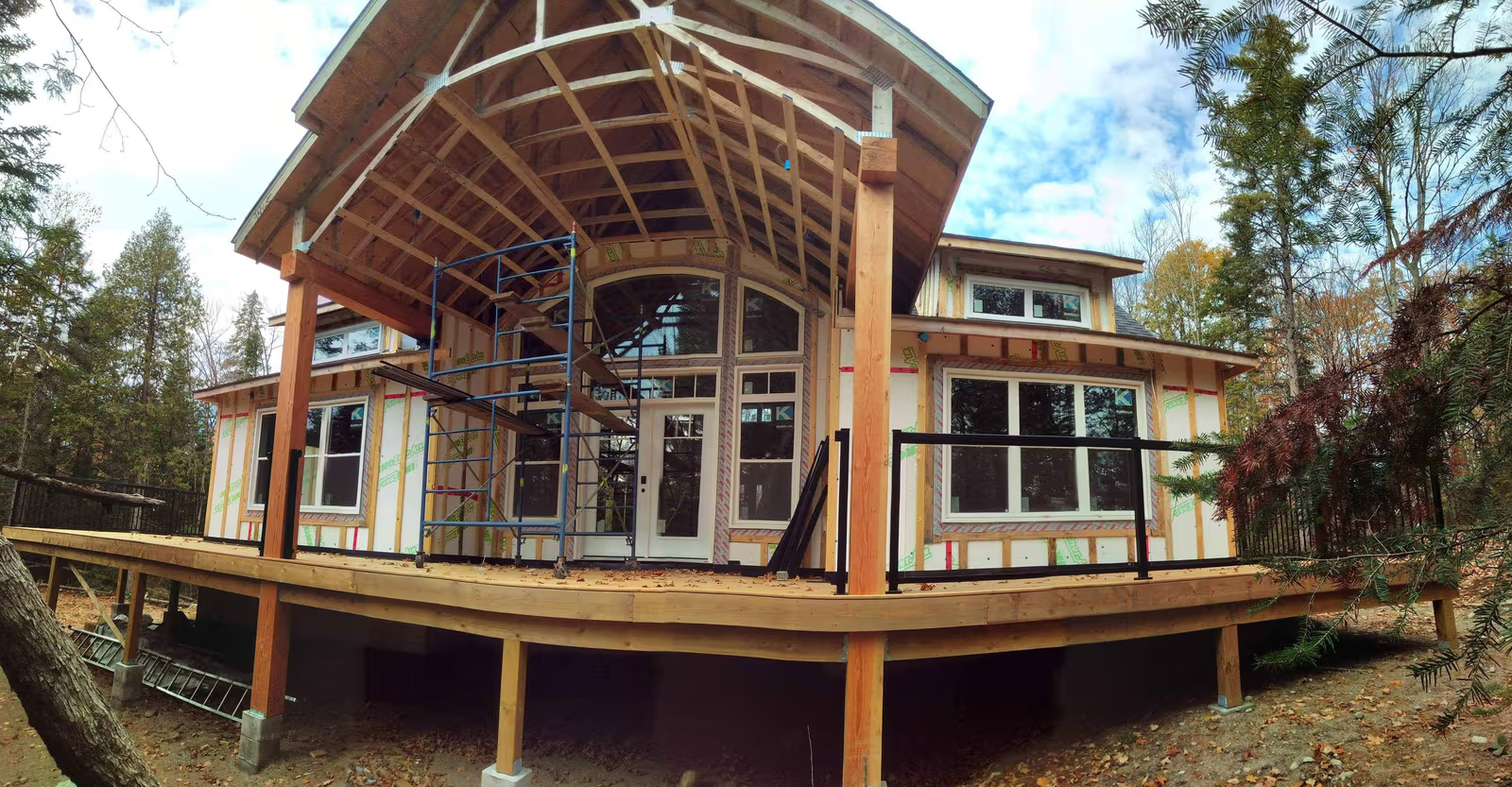
The “buy low, renovate, sell high” mantra has changed. In 2026, the gap between the purchase price of a neglected home and the cost to bring it up to standard has narrowed significantly. Between volatile material pricing and evolving building code requirements across provinces, a “diamond in the rough” can quickly turn into a financial sinkhole if hidden costs aren’t properly understood.
Here are the three major expense categories that carry the most weight—and risk—this year.
1. Structural Stabilization: More Than Just Cracks
Source: MSR Menuiserie
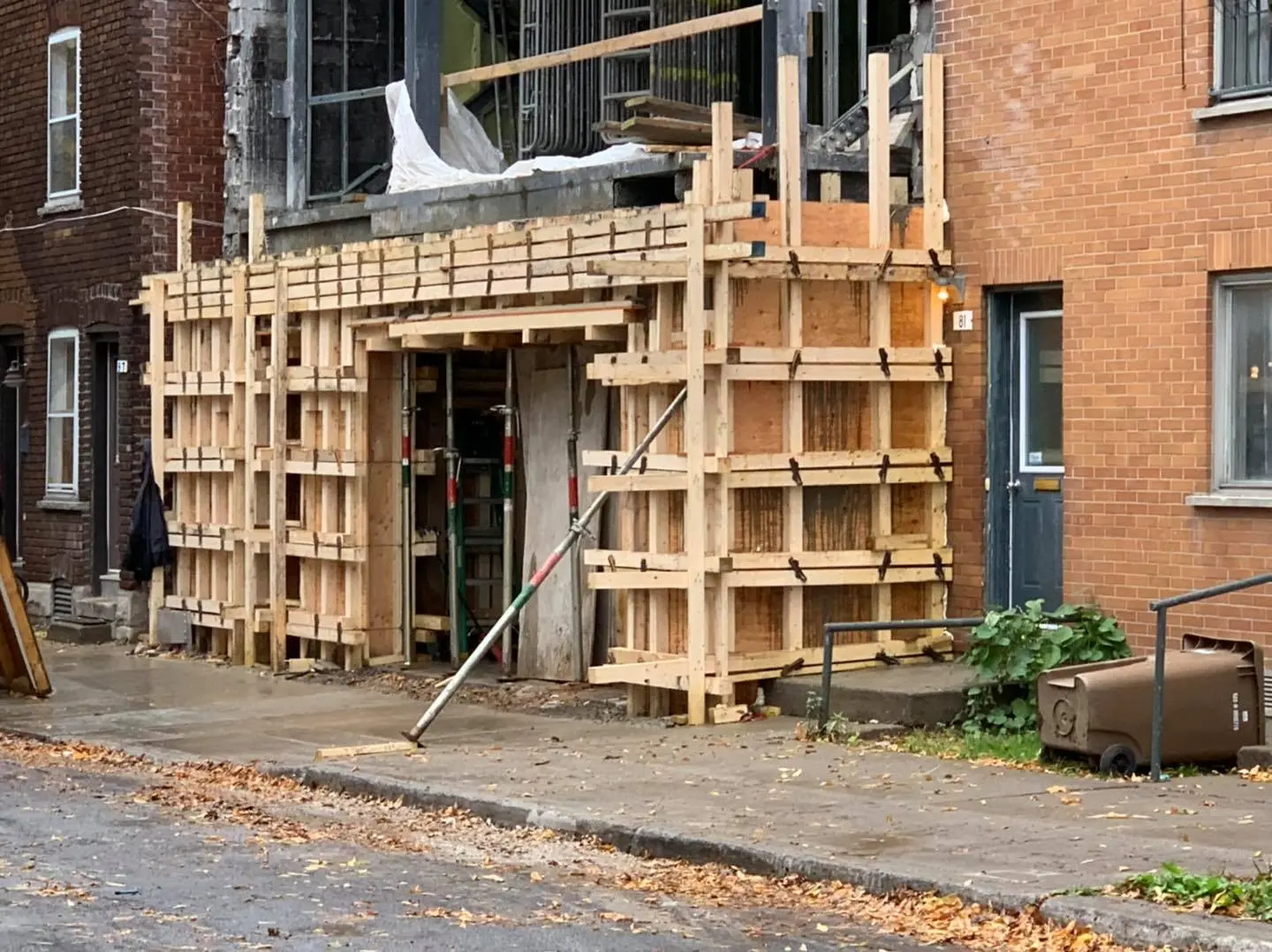
With increasingly extreme freeze-thaw cycles across Canada, soil movement has become a top concern. A basement crack is no longer just cosmetic.
Hidden cost: Crack injection typically costs between $800 and $2,000. However, if a structural engineer determines that the foundation is unstable, underpinning or the installation of helical or hydraulic piles may be required.
2026 pricing: Full foundation stabilization now ranges from $20,000 to $45,000.
Trap: “Soft costs.” Engineering drawings stamped by a licensed professional engineer (P.Eng.) can cost $3,000 to $6,000 before any work even begins.
2. Electrical Upgrades and Insurance Requirements
Source: HAUER POWER ELECTRICAL INC.
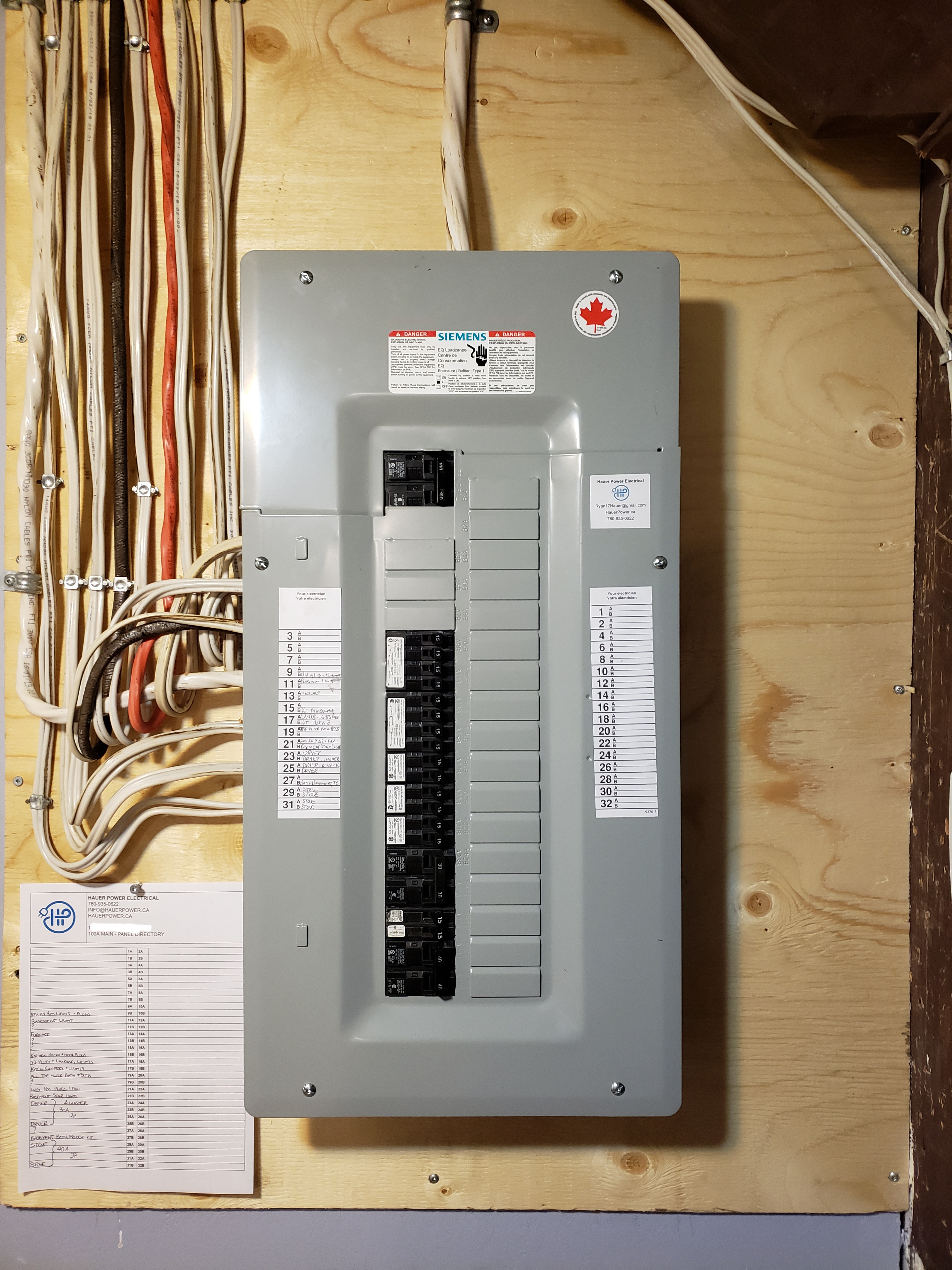
Older homes often contain knob-and-tube or aluminum wiring. In 2026, insurers across Canada have become increasingly strict: many will refuse coverage unless the system is fully modernized.
Hidden cost: It’s no longer just about upgrading the panel. Electrical codes now require arc-fault circuit interrupters (AFCIs) and dedicated circuits to support modern needs (EV chargers, heat pumps, etc.).
2026 pricing: Rewiring a typical single-family home costs between $18,000 and $32,000.
Trap: The “fishing fee.” If walls are finished, electricians may charge a 20% to 30% premium to run wires behind drywall or plaster—unless you strip everything down to the studs.
3. Material Inflation and Trade Sensitivity

Source: RenoQuotes
While general inflation has stabilized, certain construction materials remain volatile. A significant portion of building materials in Canada is tied to U.S. imports, making pricing sensitive to trade conditions and tariffs.
Hidden cost: Reservation fees. Contractors increasingly require deposits to secure materials months in advance and lock in pricing.
2026 pricing: Framing lumber and specialty finishes are seeing price increases ranging from 5% to 15%, depending on the category.
Trap: The traditional 10% contingency rule is no longer sufficient. Experts now recommend a 25% buffer to absorb mid-project price fluctuations.
Fixer-Upper 2026 Quick Reference
Expense Category | Potential Cost (2026) | Risk Level |
Structural engineering | $3,000 – $6,000 | High (often required by lenders) |
Full electrical system | $18,000 – $32,000 | Critical (insurance barrier) |
Material cost increases | 5% – 15% of total | Variable (market-dependent) |
Permits & municipal fees | $2,000 – $7,500 | Fixed (varies by municipality) |
Prioritize What You Can’t See
In 2026, the most expensive home isn’t the one with the highest listing price—it’s the one hiding major structural or mechanical issues. Before thinking about your dream kitchen or new siding, invest in a pre-purchase inspection by a qualified inspector or engineer.
A home with certified new foundations and electrical systems will always have stronger resale value than one with cosmetic upgrades built on a failing structure. To properly assess a property before buying, request a professional inspection or pre-renovation estimate.
Looking for something else?
Related articles
The latest industry news, interviews, technologies, and resources.
Cynthia Pigeon
•05 Sep 2024
Ready-made shower stall kits can be purchased, and these include the shower tray, panels, doors, profiles, faucets, drainage system and mounting screws. This article has for purpose to explain how to install a shower stall sold as a kit.

Karine Dutemple
•06 Sep 2024
Whether it be chemicals, heavy metals or organic matter, the presence of contaminants in soil is rarely good news. However, ignoring the problem can have serious consequences. The question then is: why should you have a soil test carried out?

Editorial Team
•25 Sep 2024
In Canada, hot summers alternate between cold winters, with frost on the ground and melting snow. In addition to its decorative role, exterior parging can create a barrier against the inclement weather of our northern climate, storms, and the sun. It's up to you to choose the right parging!

Editorial Team
•08 Nov 2023
More and more people are beginning to realize the impact their home has on the environment and as a result are starting to make updates to their homes. The added benefit to these green tips is that ultimately, they help save you money, which in turn translates into your peace of mind.

Editorial Team
•23 Jun 2025
If you have a large yard, and therefore, perform a significant amount of yard maintenance, chances are you know a thing or two about dragging electrical wires along your lawn. Now, did you know that outlets can be mounted on soil-planted posts and wires can be buried beneath your feet? You can save yourself the hassle and frustration of pulling cords across the grass by running power underground!