Major Duplex and Triplex Renovation Costs in Canada (2026)
By Cynthia Pigeon
Updated on September 24, 2026
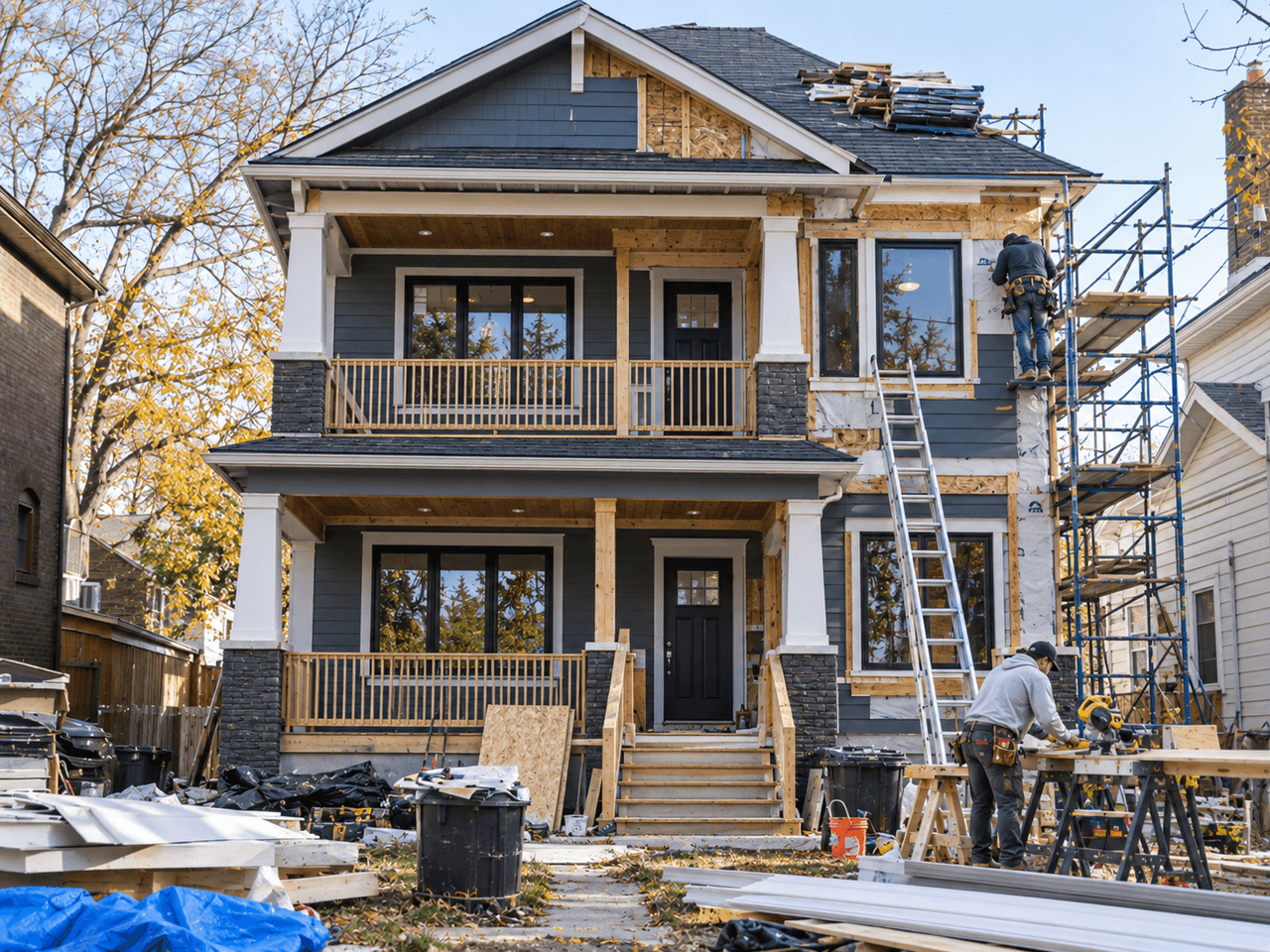
Owning a duplex or triplex in Canada, whether in Toronto, Montréal, Vancouver, Calgary, or Halifax, can be a valuable real estate investment. Many of these residential rental properties were built decades ago. Over time, harsh Canadian winters, repeated freeze-thaw cycles, moisture exposure, and aging construction materials can create significant renovation needs, particularly when a building has not been properly maintained.
Completely renovating a duplex or triplex involves more than modernizing its appearance. It is a financial and strategic undertaking intended to protect the building's structural integrity, improve energy efficiency, increase tenant satisfaction, and potentially improve the property's long-term profitability.
Whether the project involves replacing the building envelope, redesigning interior spaces, or upgrading electrical, plumbing, and HVAC systems, careful planning is essential to controlling costs.
How Much Does a Major Duplex or Triplex Renovation Cost in Canada?
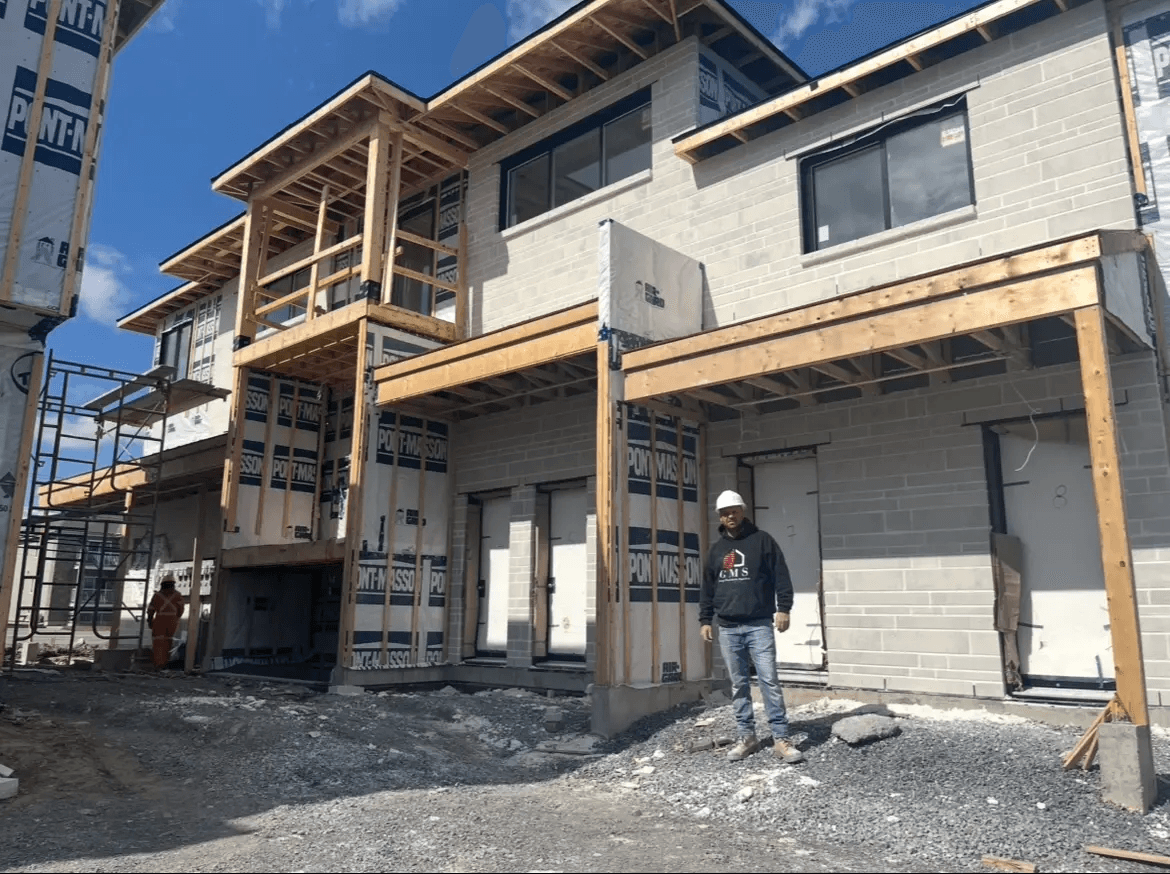
Source: Groupe Maçonnerie Supérieure inc.
The cost of a major duplex or triplex renovation varies considerably depending on the property's location, total square footage, existing condition, and scope of work. Establishing a realistic budget requires distinguishing between interior renovations and projects involving structural modifications, foundation repairs, roofing, and mechanical systems.
According to Canadian renovation pricing guides published in 2026, comprehensive home renovations can range from approximately $150 to $350 or more per square foot. Projects involving extensive structural alterations or premium finishes may exceed this range. These figures are general residential renovation estimates, not nationwide averages specifically measured for duplexes and triplexes.
Major Renovation Costs Based on Apartment Size
The renovation budget for an individual unit in a duplex or triplex depends on its size, condition, location, and the work required. Using an illustrative range of $150 to $350 per square foot, the following table demonstrates how the estimated budget changes according to apartment size. This range reflects broad Canadian whole-home renovation pricing rather than verified apartment-specific averages.
Apartment Type | Floor Area Used | Illustrative Renovation budget |
One-bedroom apartment | 600 sq. ft. | $90,000–$210,000 |
Two-bedroom apartment | 800 sq. ft. | $120,000–$280,000 |
Three-bedroom apartment | 1,100 sq. ft. | $165,000–$385,000 |
These amounts are mathematical examples, not observed market averages. They assume that the renovation work included in the square-foot estimate applies to the entire floor area indicated. Actual costs depend on the work included in the contractor's estimate. Building-wide improvements, such as roof replacement, foundation repairs, and exterior masonry restoration, should be estimated separately if they are not already included in the price per square foot.
Renovation Costs per Square Foot in Major Canadian Cities
Renovation costs vary across Canada because of differences in labour availability, building conditions, material costs, and municipal requirements.
The following table presents published 2026 residential renovation pricing benchmarks for major Canadian cities. Because the available sources cover different renovation scopes, these figures should be used as regional references rather than directly comparable quotations for identical duplex renovations.
City | Published Renovation Benchmark | Scope |
Toronto, ON | $175–$350/sq. ft. | Whole-home renovation |
Vancouver, BC | $160–$210/sq. ft. | General residential renovation |
Montréal, QC | $150–$260/sq. ft. | Major renovation involving structural and mechanical work |
Calgary, AB | $140–$190/sq. ft. | General residential renovation |
Edmonton, AB | $135–$185/sq. ft. | General residential renovation |
Ottawa, ON | $120–$180/sq. ft. | General residential renovation |
Halifax, NS | $125–$175/sq. ft. | General residential renovation |
Winnipeg, MB | $150–$350+/sq. ft. | Broad Canadian whole-home planning benchmark; not a verified Winnipeg-specific range |
Sources: Andares Homes, Groupe Cartier, Kitchen & Bath, and MEINHAUS. The Toronto and Montréal figures refer to more specifically defined renovation projects; the Vancouver, Calgary, Edmonton, Ottawa, and Halifax figures are broader regional renovation benchmarks.
A major renovation involving structural alterations, complete electrical and plumbing replacement, extensive insulation upgrades, and full interior finishing may cost considerably more than a city's general renovation benchmark.
The price per square foot also depends on the scope of work. It is important to distinguish between different renovation categories:
Standard interior renovation: Replacing flooring, kitchen and bathroom upgrades, painting, and finishing work, without significant structural changes or complete mechanical system replacement.
Intermediate interior renovation: Interior layout modifications, removal of non-load-bearing partitions, improved soundproofing between units, and partial electrical or plumbing upgrades.
Complete major renovation: Work involving structural modifications, replacement of electrical and plumbing systems, insulation improvements, and comprehensive interior renovations.
Major renovation involving complex structural work: Additional interventions such as basement excavation, underpinning, foundation repairs, heritage masonry restoration, or complete building envelope replacement. These projects require property-specific estimates.
To establish a realistic budget for your property, compare estimates from qualified renovation professionals.
Breakdown of Major Renovation Costs
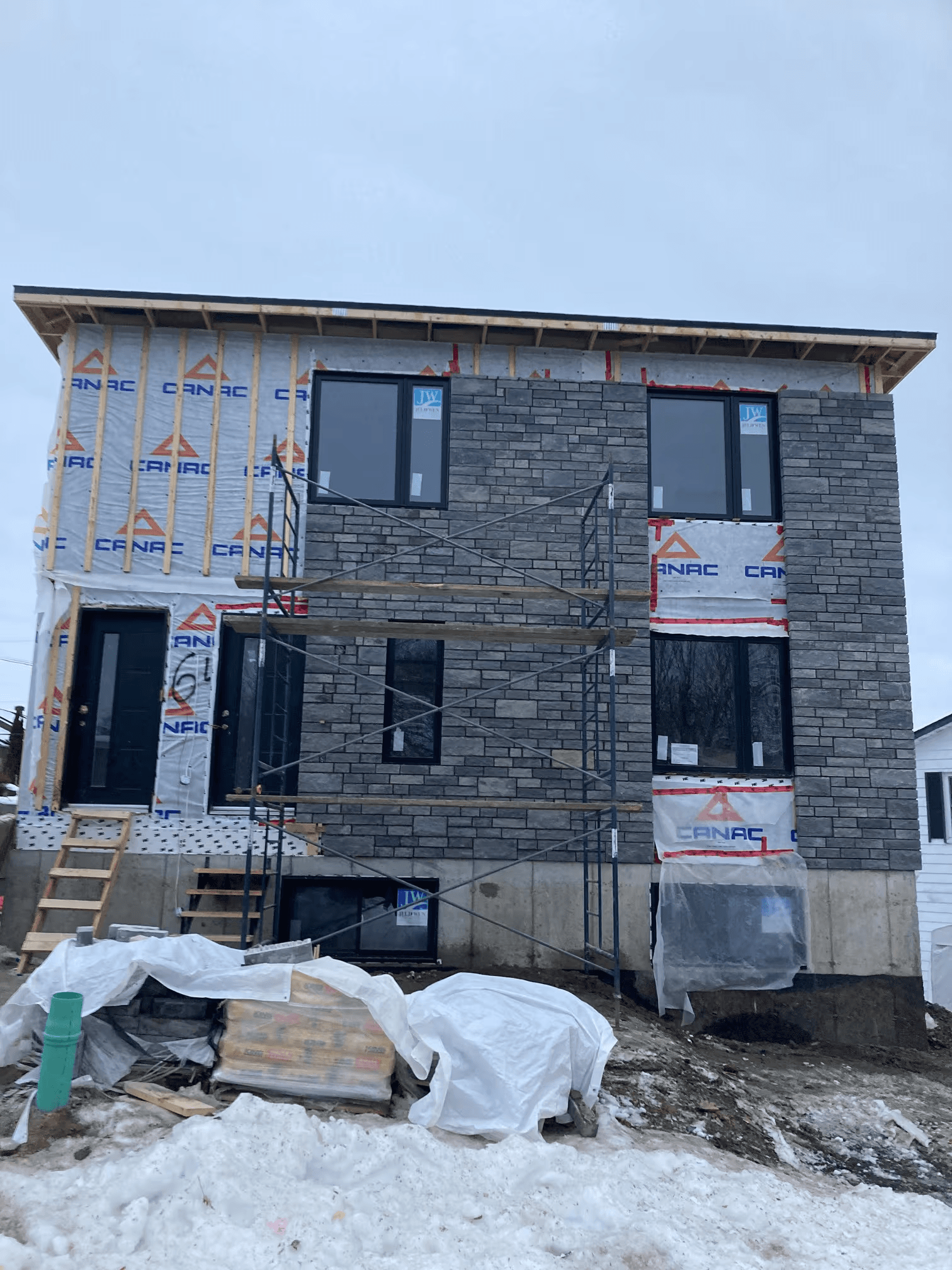
Source: DMT Général inc.
A major duplex or triplex renovation budget can be divided into three main categories, with each category's share varying according to the building's condition and the extent of the renovation:
Interior finishes and layout: Kitchens, bathrooms, flooring, drywall, and soundproofing.
Structure and exterior building envelope: Roofing, masonry, foundations, doors, and windows.
Mechanical systems and energy efficiency: Electrical systems, plumbing, heating, ventilation, and air conditioning.
The amount allocated to each category depends on the building's existing condition, required upgrades, and any problems discovered during preliminary inspections.
Structure and Building Envelope: Roofing, Foundations, and Windows
The building envelope protects a duplex or triplex from Canada's varying climate. Addressing interior finishes before repairing existing roof, foundation, or exterior wall problems can increase the risk of water infiltration and premature deterioration.
Flat or low-slope roofing: Replacing a modified bitumen or two-ply elastomeric membrane roof requires a property-specific estimate. Costs depend on roof area, the existing substrate, insulation requirements, drainage, material selection, and installation complexity. Regional roofing prices should be obtained from local contractors.
Foundations and waterproofing: Crack repairs, foundation waterproofing membranes, excavation, and perimeter drain replacement can represent a substantial investment. Costs depend on excavation depth, accessibility, soil conditions, and whether the entire foundation perimeter requires work.
Masonry and brick walls: Older brick buildings may require extensive repointing, replacement of damaged masonry components, or repairs to bulging brick walls. Costs depend on the affected surface area, building height, scaffolding requirements, and whether structural repairs are necessary.
Doors and windows: The cost of replacing all exterior doors and windows in a triplex varies according to the number and size of openings, glazing specifications, installation conditions, and local labour rates. Energy-efficient replacements can improve the building's thermal performance.
Building Systems: Electrical and Plumbing Upgrades
Modernizing outdated electrical and plumbing systems can be one of the most technically demanding aspects of renovating an older duplex or triplex. Some properties still contain knob-and-tube wiring, older aluminum branch circuits, galvanized steel pipes, or deteriorating drain lines. These installations may require professional inspection and corrective work. The necessary interventions depend on the condition of the existing systems, applicable codes, and the requirements of the property's insurer.
Potential modernization work includes:
Electrical: Upgrading electrical panels and wiring, with a possible increase in service capacity based on an electrical load calculation, particularly when converting to electric heating. Costs depend on the required capacity, existing wiring, utility connection, and extent of the proposed modifications.
Plumbing: Replacing deteriorated or obsolete supply and drainage pipes. Depending on the installation, suitable materials may include copper, PEX, ABS, or PVC. Costs should be established following an inspection and detailed quotes from qualified plumbing contractors.
Electrical and plumbing work must comply with the requirements of the province or territory where the property is located. Applicable trade qualifications, licensing requirements, permits, and inspections vary by jurisdiction.
In Ontario, for example, electrical work must comply with the requirements of the Electrical Safety Authority. In British Columbia, the applicable permits, qualifications, and inspections depend on Technical Safety BC or the relevant local authority. Québec has additional requirements administered through its construction licensing and professional trade systems (CMEG and CMMTQ).
Kitchens, Bathrooms, and Soundproofing Between Units
Kitchen upgrades, bathroom renovations, and improved acoustic separation can influence rental value and tenant satisfaction.
Published Canadian renovation pricing guides provide the following general planning ranges:
Kitchen renovation: Approximately $15,000–$60,000 for a broad range of projects. Costs depend on cabinetry, countertops, plumbing, electrical work, appliances, layout modifications, and finishing materials.
Bathroom renovation: Approximately $8,000–$35,000, depending on bathroom size, fixtures, tile selection, waterproofing, ventilation, and the extent of plumbing modifications.
Soundproofing: Improving acoustic separation between units may involve installing acoustic underlayment, insulating floor cavities, adding resilient channels, and installing multiple layers of drywall. A separate estimate is required because costs depend on the existing construction and the assembly's required acoustic and fire-resistance performance.
These kitchen and bathroom ranges combine published Canadian pricing references and are general residential estimates rather than prices specifically observed in rental apartments.
Material selection and installation methods must also satisfy applicable fire-separation requirements. Adding Type X drywall alone does not guarantee a particular fire-resistance rating.
To improve acoustic comfort between rental units, request estimates from contractors experienced in multifamily residential renovations.
Tenant Regulations and Notice Requirements for Major Renovations
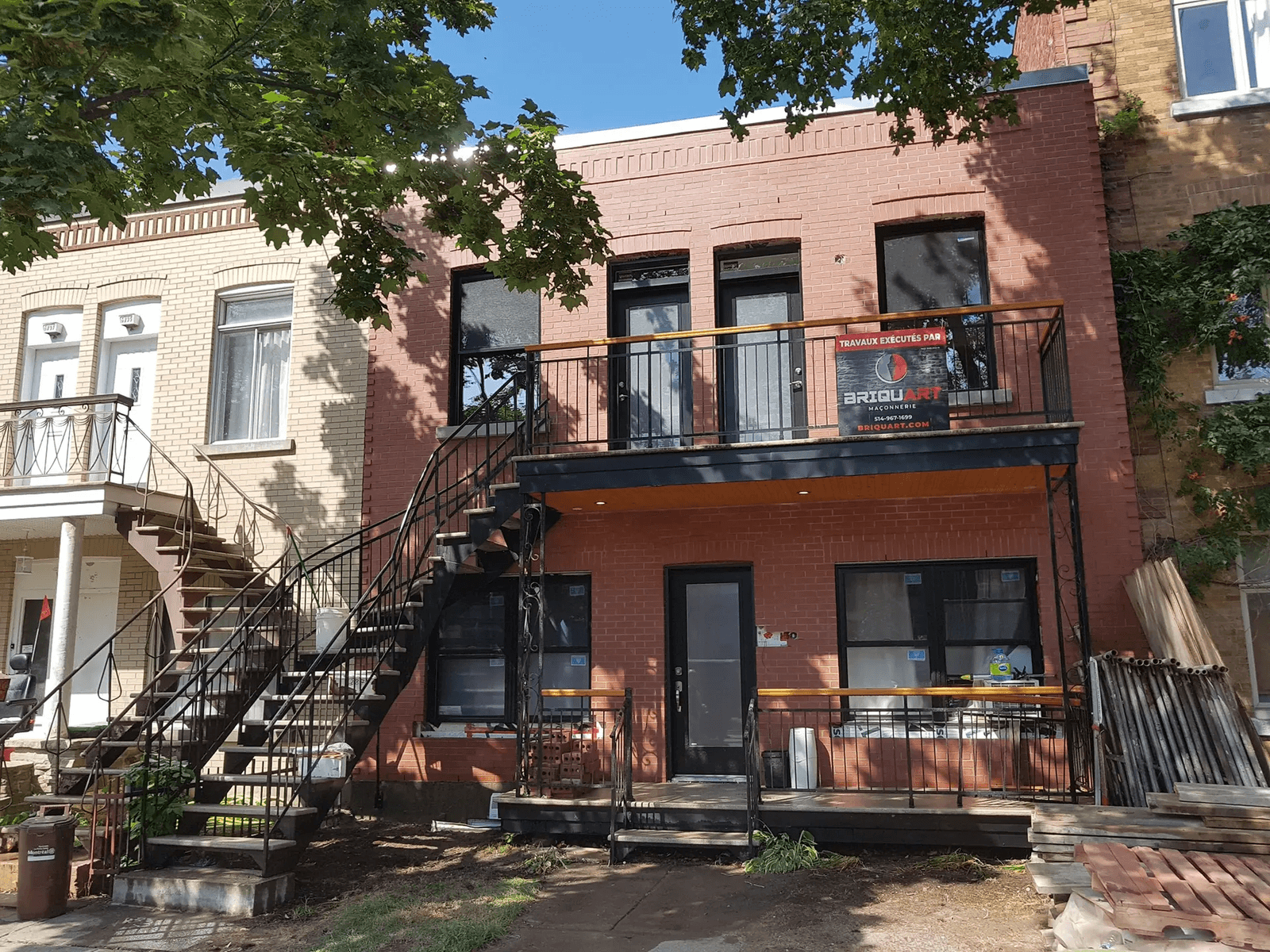
Source: Maconnerie Briquart inc
When undertaking major renovations in an occupied duplex or triplex, property owners must comply with the residential tenancy laws applicable in their province or territory.
If the renovation requires tenants to temporarily vacate their units, specific notice periods, compensation requirements, and procedures may apply. These requirements differ across Canada.
Provincial tenancy regulations include:
Ontario: Landlords seeking to terminate a tenancy because of extensive renovations or repairs must follow the Residential Tenancies Act and the Landlord and Tenant Board's procedures. This generally includes providing the prescribed N13 notice at least 120 days before the proposed termination date. Depending on the circumstances, compensation and the tenant's right to return may also apply. Toronto has additional municipal rental-renovation licensing requirements.
British Columbia: When extensive renovations require the termination of a tenancy, landlords must obtain the necessary permits and apply to the Residential Tenancy Branch for an order of possession. If approved, the order cannot take effect earlier than four months after it is issued. The applicable compensation requirements must also be respected.
Québec: Under the Tribunal administratif du logement (TAL) rules for major non-urgent improvements and repairs, landlords must generally provide at least 10 days' notice when no evacuation is required or when the evacuation lasts one week or less. If the evacuation exceeds one week, at least three months' notice is required. Additional requirements govern compensation, tenant responses, and the right to return.
Alberta, Manitoba, Saskatchewan, and Atlantic Canada: Landlords must follow the residential tenancy legislation and applicable procedures in their respective provinces. Notice requirements, compensation, and tenants' rights vary according to the jurisdiction and circumstances.
Before scheduling major renovations, landlords should verify whether the proposed work legally requires vacant possession and whether the relevant tenancy authority must authorize the termination.
Landlords should also account for potential temporary accommodation, compensation, delayed rental income, and the effect of tenant relocation on their renovation budget.
Renovation Grants and Financing for Duplexes and Triplexes
Source: RenoQuotes
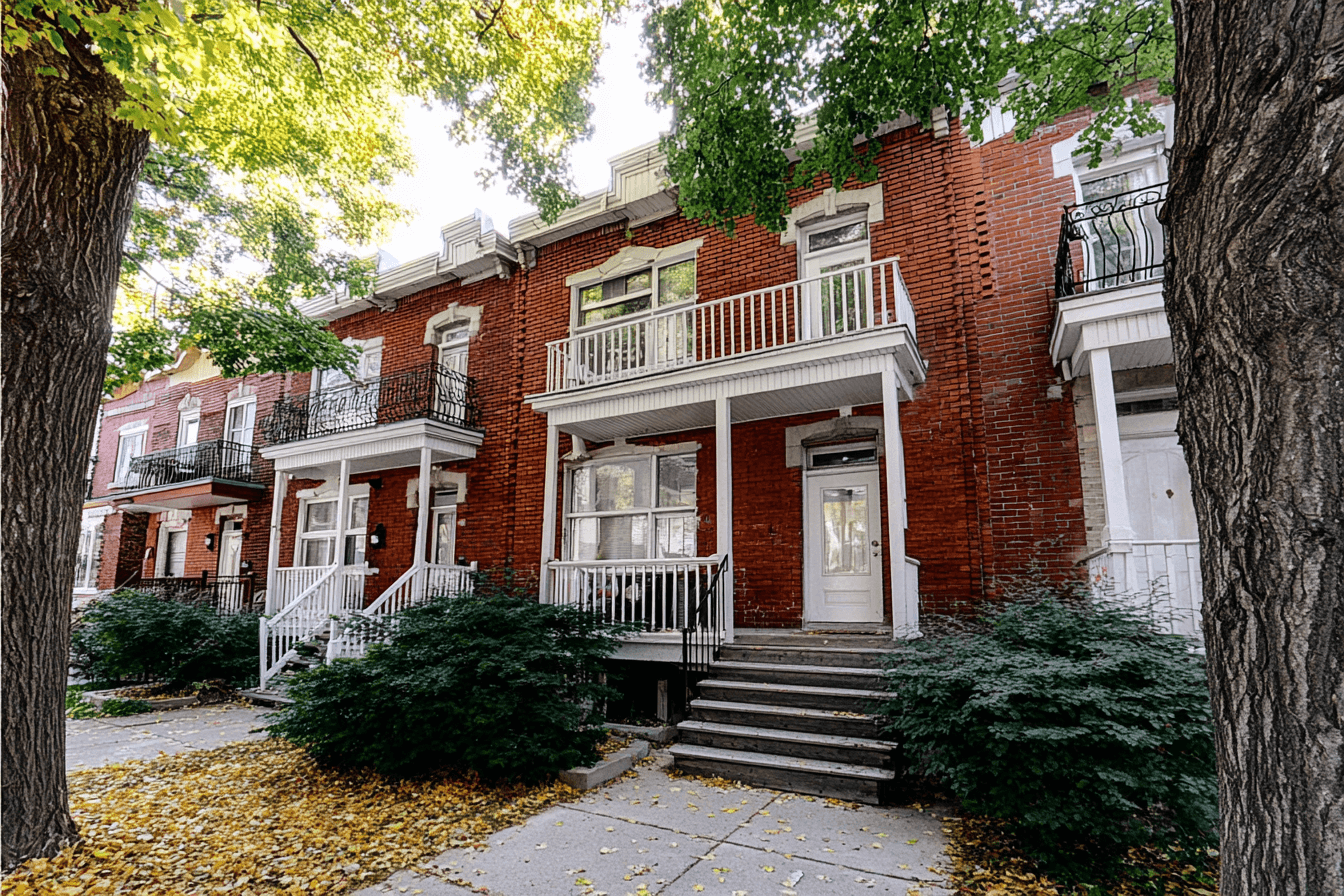
Financial assistance programs may help offset certain renovation costs, particularly when a project includes energy-efficiency improvements.
Available incentives differ across provinces, utilities, municipalities, and building types. Owners of rental properties should confirm whether their building is eligible before starting any work.
Potential sources of financial assistance include:
Provincial energy-efficiency programs: Québec offers Rénoclimat assistance for eligible energy-efficiency improvements and Hydro-Québec's LogisVert program for qualifying heat pumps, including installations in eligible multiplexes.
Ontario energy-efficiency incentives: Homeowners can investigate current provincial and utility programs for eligible insulation, heating, cooling, and other energy-saving improvements. Eligibility must be verified for rental properties and multi-unit buildings.
British Columbia rebate programs: The province offers energy-efficiency incentives through programs such as CleanBC Better Homes. Eligible improvements may include heat pumps and other energy-saving upgrades, subject to building type, household income, and program requirements.
Federal and municipal programs: Municipalities may also offer incentives for heritage restoration, building improvements, or energy-efficiency projects.
Several financing options may also be considered for major renovations, including mortgage refinancing, home equity lines of credit, and investment-property financing. Depending on the lender and financing arrangement, an appraisal of the property's current or projected post-renovation value may be required.
Choosing a Qualified General Contractor for a Duplex or Triplex Renovation
Source: RenoQuotes
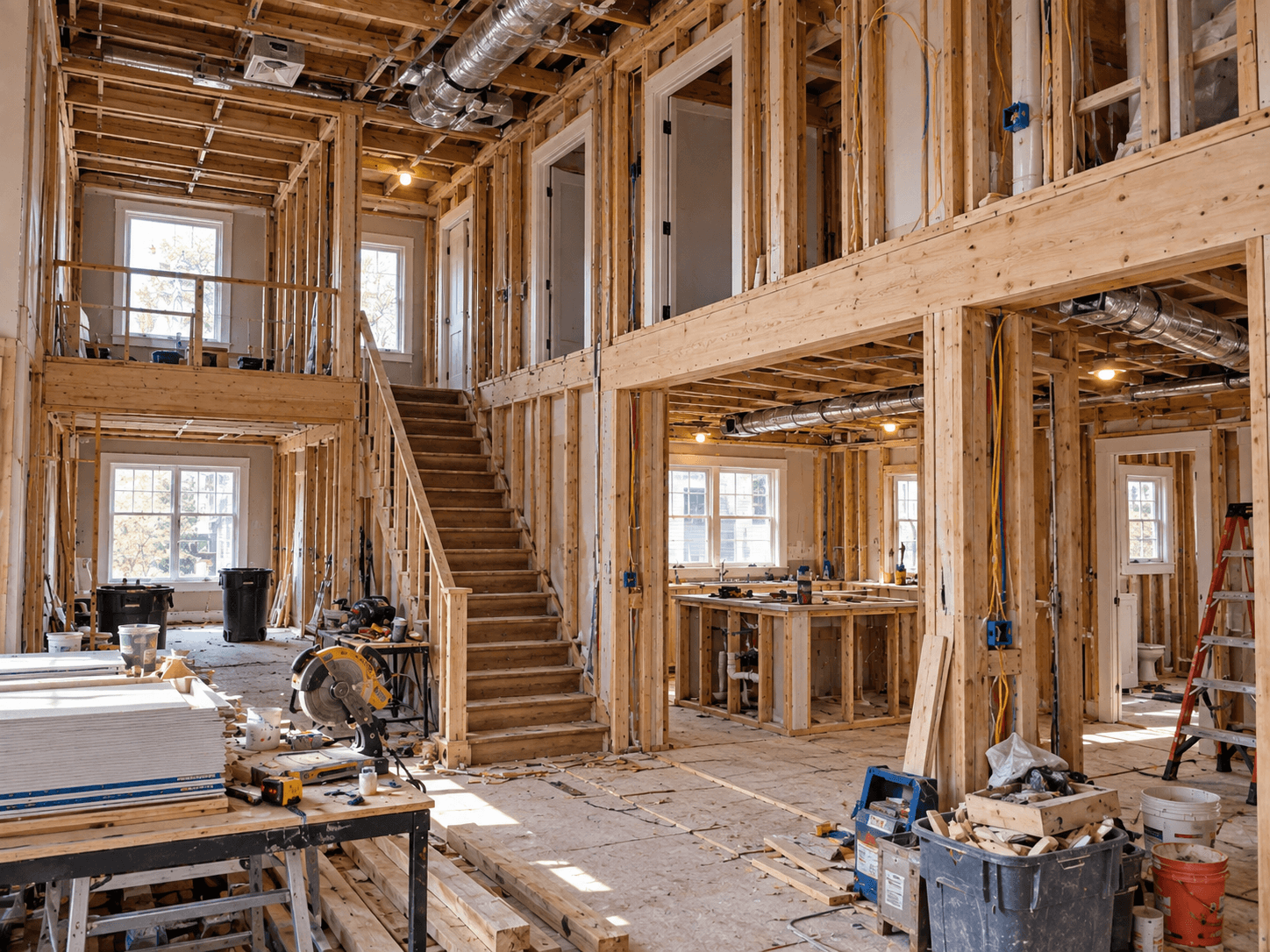
A major duplex or triplex renovation involves coordinating multiple trades, managing structural work, addressing tenant occupancy, and maintaining the construction schedule. Selecting a qualified general contractor is an important part of controlling costs and ensuring compliance.
Licensing and regulatory requirements vary across Canada. Before hiring a general contractor, property owners should verify the qualifications and authorizations required in their province or municipality.
Important contractor selection criteria include:
Licensing and qualifications: Verify the contractor's applicable licences and registrations, where required (RBQ in Quebec). Confirm that regulated electrical, plumbing, and other specialized work will be performed by appropriately qualified professionals.
Commercial general liability insurance: Request proof of valid liability insurance and confirm that the coverage is appropriate for the project's scope and risks. A $2 million policy may be a useful contractual requirement for a substantial renovation, depending on the circumstances.
Multifamily renovation experience: Prioritize contractors with verifiable references for duplex, triplex, and other multifamily residential renovation projects.
An experienced general contractor can coordinate electricians, plumbers, carpenters, drywall installers, and other specialized trades while ensuring that the project follows applicable building codes and municipal permit requirements.
To find qualified professionals for your project, compare several detailed estimates and review the proposed scope of work, project schedule, insurance coverage, and contractual terms.
Renovating a Duplex or Triplex: Planning for a Successful Investment
A major duplex or triplex renovation represents a substantial investment, with costs varying according to the property's location, size, condition, and the extent of the work. Careful planning, a realistic budget, and qualified contractors can help minimize unexpected expenses and protect the property's long-term value.
Planning to renovate your duplex or triplex? Get up to 3 free quotes through RenoQuotes and compare estimates from qualified renovation contractors.
Looking for something else?
Related articles
The latest industry news, interviews, technologies, and resources.
Editorial Team
•05 Sep 2024
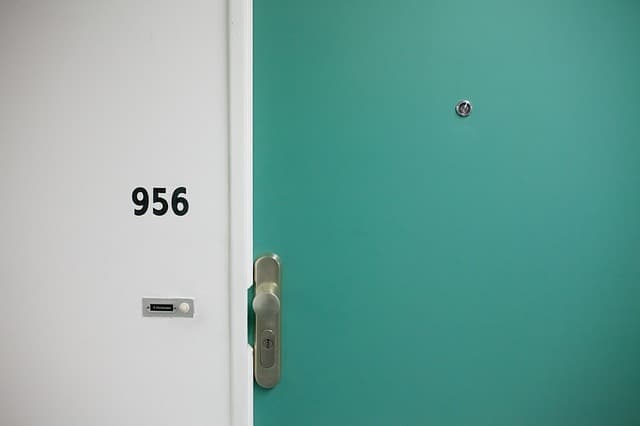
Reinforcing your home’s security to prevent burglary attempts is essential. But, where to start? Front doors are often considered key access points. Therefore, we’ll focus on said vital component. Which security systems are the most effective for deterring would-be burglars? This article highlights different ways to protect your home and its occupants. While the options listed don’t exhaust all possible solutions, consulting a professional locksmith will help guide you in the right direction based on your needs and budget.

Editorial Team
•08 Nov 2023
With its trendy materials, refined look, multi-functionality, and welcoming vibe, the contemporary kitchen has everything to please, even when it comes to the pickiest of them all. Are you considering embracing a contemporary look in your new kitchen? Here are a few pointers that’ll allow you to create a kitchen with sleek, modern lines for unique and high-quality style.
Editorial Team
•22 May 2024
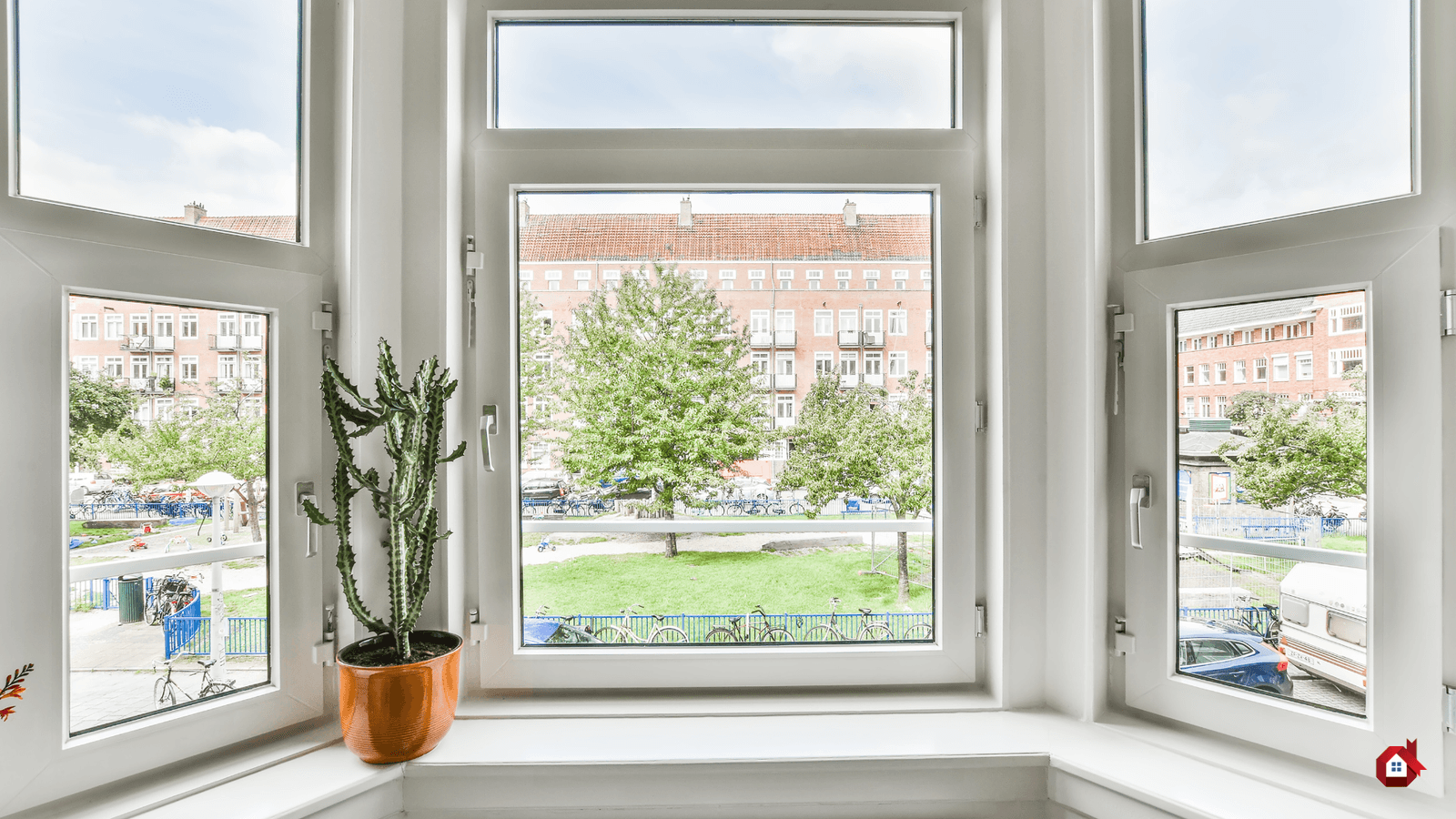
Unearth the hybrid window, a sure innovation in a world full of windows. Such windows blend the energy efficiency of PVC with the reliability of aluminum, making for the perfect combination resulting in exceptional performance. Different models are retailed, from casement to sliding, suiting all preferences.

Editorial Team
•01 Oct 2024
A common misconception is that it is best to plan home renovations in the summer, rather than during other parts of the year. Although certain tasks, such as paving an entrance or inspecting a roof, require conditions that are specific to the warmer season, in many cases, renovating during the winter can prove to be a good option.
Editorial Team
•27 Jan 2026
Whether you’re a future homeowner searching for the perfect home or a building contractor looking to stay updated on the latest regulations, the 2025-2029 Inspection Program comes as a transformative shift for Quebec’s residential construction industry.