What Should You Do if Your Basement Floods?
By Editorial Team
Updated on October 24, 2024

Basement flooding is common in Canada, resulting in 100 million dollars in claims every year. However, many insurance policies don’t cover water damage stemming from storm surges or tidal waves. How can you manage the situation effectively post-flooding to minimize damages? What steps should you follow to carry out the necessary repairs and ensure everything goes according to plan? Proper preparation and appropriate measures are, without a doubt, key to protecting your home.
What Are the Dangers of a Flooded Basement and How Does It Affect Your House?

Source: Canva
Basement water damage can potentially be devastating for your home. It can have serious repercussions on yourself as the owner and occupant and on your home's structural integrity. For example’s sake, recent scientific research (in French only) noted the following:
In permanently damp homes, occupants are more likely to have respiratory issues.
Frequent basement flooding can lead to long-term damage to structures and fixtures that may not be covered by a homeowner's insurance company.
Insurance providers can increase their premiums to offset repeated claims for damage caused by flooding or significantly increase deductibles.
Property value may depreciate because of frequent basement flooding.
However, the consequences listed above overlook physical damage and monetary loss. Another important factor to consider is the emotional and mental strain that such a natural disaster can have on a person. The stress of moving, planning an adequate cleanup, and renovating, on top of the stress of not knowing where to start, are all repercussions of a flood.
How to Deal with Water Damage
Source: Canva
Step One: Call a Professional
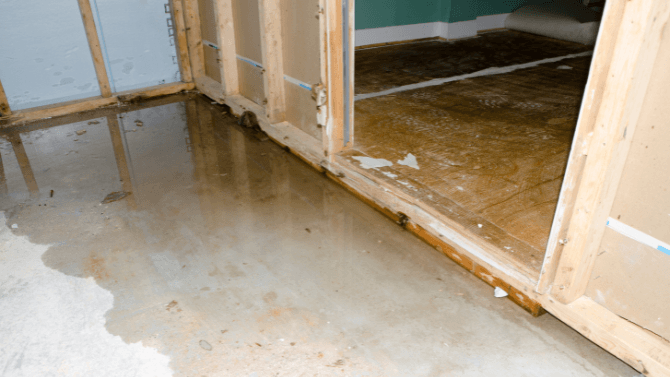
Before putting together a renovation plan to repair flood-caused damages, identifying the root cause of the issue is paramount. To do so, hire a professional, licenced plumber to come assess the damage in your home in person. The hired service provider will determine a range of factors, such as the hazards your home may be exposed to like landslides, damage to the gas line, weakening of the walls, etc.
Don’t forget to contact your insurance provider immediately to initiate a claims investigation, ensuring you’re covered for such damage.
What Should You Do Before Renovating?
Once you’ve successfully sucked up the water from your wet basement and a professional has assessed the damage, a few simple measures should be established. Afterwards, you can hire a renovation company to repair the damage to your home. Focus on the following three factors:
Safety
Drying
Ventilation
The important thing, post-flooding, is ensuring it doesn’t happen again. However, some homeowners have been residing in flood-prone areas for years now. Hence, considering the impact of recurring floods is important, especially given today's climate change.
You can also peruse the following articles to help organize post-flood tasks:
How to Restore a Flooded Basement: Post-Storm Cleanup Guide
Source: Canva
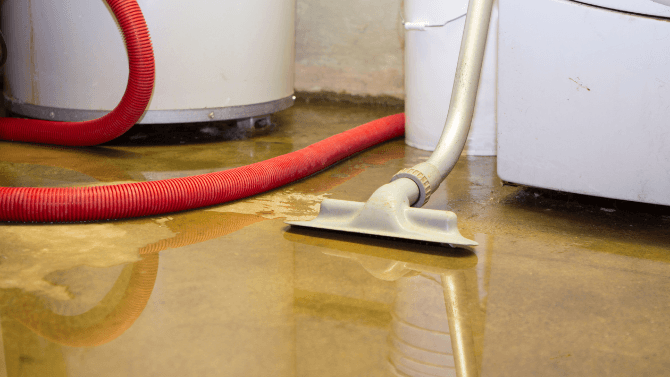
Firstly, regarding safety and cleaning, make sure to shut off the power via the electrical panel, if not already done. Then, clear your house of furniture, bringing everything outside for cleaning. Also, pump out the leftover water in your home and clean your basement with a power washer.
Don’t forget to remove the water-logged or peeling flooring; do the same with wallpaper. To prevent dreaded mould growth, run a bleach-soaked sponge along your walls. As for drying your basement, note that the process can be quite time-consuming and may take months before all the moisture is removed.
Before undertaking renovation work, it’s important to remove the moisture. You can contact service providers specializing in restoring water-damaged areas to speed up the drying time. You should be reimbursed by your insurance provider. Clear all furniture to improve your home’s ventilation and better air out the rooms.
You can also drill small holes above the wall lining to improve drying and ventilation. Moreover, don’t forget to check access holes and drains; these are essential for ensuring dry ground.
How to Dry a Basement After a Flood
To dry a flooded basement safely, start by shutting off the power.
Use a sump pump or wet-dry vacuum cleaner to suck out stagnant water.
Once the water is pumped out, open basement windows to air out the space and use fans and dehumidifiers to speed up the process.
Remove all wet materials, such as carpets and furniture, and clean surfaces with an antifungal cleaner to prevent moulding.
Lastly, monitor your basement for a few days to make sure it’s drying accordingly.
How to Prevent Basement/House Flooding
Installing a French drain is crucial to prevent basement or home flooding. This drainage system is composed of a perforated pipe surrounded by gravel in a trench, redirecting water around the foundation, and evacuating it away from the property, thereby minimizing the pressure around the foundation walls. To guarantee its efficiency, it’s essential to regularly check that the drain isn’t obstructed by debris or tree roots. Routine maintenance and a professional installation are key to preventing water infiltration and protecting your basement from flood risks.
Looking for something else?
Related articles
The latest industry news, interviews, technologies, and resources.

Cynthia Pigeon
•18 Aug 2026
Starting a residential renovation project represents a major financial and personal investment. Whether you are remodelling a kitchen, finishing a basement, or replacing a roof to withstand harsh Canadian winters, the work should be completed according to accepted industry standards. Unfortunately, some projects can turn into nightmares: unfinished work, job abandonment, structural errors, or unjustified delays.

Editorial Team
•08 Nov 2023
Amongst all the home heating options available out here, propane heating has numerous advantages, which we’ll detail in this article.

Editorial Team
•12 Feb 2025
Area rugs and carpets add flair to any room. In a living room, they provide both comfort and a cozy vibe, complementing the decor and furniture. In open-concept or oversized spaces, area rugs define individual spaces within a larger one. In smaller rooms, they trick the eye, making the space appear more spacious than it actually is.

Editorial Team
•08 Nov 2023
Trying to manage the items of multiple family members is one of the many difficult tasks that running a household entails. Since the bathroom is generally the smallest room in the home, keeping it neat and tidy is a part-time job.

Editorial Team
•24 Jan 2025
Since the use of forest biomass stems from renewable sources and, consequently, fosters our environment conservation efforts, you risk hearing a lot more about this heating fuel. The cost of biomass is still relatively low and stable, making it an interesting local resource on many levels, including a worthwhile space heating or primary heating fuel option.