
Both a place of rest and relaxation, the gazebo allows you to enjoy beautiful weather without fear of suffering the negative effects of too much sun. The gazebo offers shaded space that is difficult to do without, and this is why more and more homeowners are choosing to install it in their backyards. Are you also thinking about it? To learn more about this type of shelter, read on!
All About Gazebos
Different types of materials
While we may tend to believe that most gazebos are made of wood, be aware that the range of materials in which the gazebo can be created is quite large. Indeed, it’s possible to find polycarbonate, aluminum, wrought iron, stone, steel and even concrete! Obviously, the most popular option is wood, both for its charm as well as for its attractive price/quality ratio. Cedar and pine are the two types that attract buyers most often.
Gazebo Shapes and Designs

If patios, balconies or solariums often come in more conventional forms, gazebos are distinguished from them by the originality of their design. On this point, know that the shape of your gazebo is limited by your imagination alone! There is something for everyone: circle, square, oval, hexagon, octagon, rectangle and even dodecagon.
The dome-shaped models are particularly interesting because of their aesthetic which recalls ornamental gazebos installed in many parks. The elaborate details of their architecture are definite assets that work in their favour. We should mention that these characteristics are features specific to Victorian models. The latter imitates this particular style of architecture by highlighting refined and delicate woodwork.
Pergolas, which embody a specific type of gazebo, has the distinction of having no floor. Their roof, for its part, consists of planks that sit parallel to each other. Pergolas are often criticized for their lack of opacity and protection from the sun, it should be noted that some opt for the installation of a canvas roof in order to remedy this shortcoming.
Types of Gazebo Tops
Soft top
Gazebo tops fall into two categories: rigid and flexible. Soft tops are made of canvas and have the advantage of being available at a very affordable cost. For those who are tempted by this style of top, you should bear in mind that it’s highly recommended to choose a fabric resistant to ultraviolet rays in order to avoid discoloration.
As this material is less resistant than those with rigid tops, it is also possible that tears or punctures may occur. These will absolutely have to be repaired, otherwise, the space under your gazebo could accumulate rainwater. What is more, it must be said that the canvas roof is not very wind resistant. This is why it’s absolutely essential that the gazebo with a soft roof has an opening in the middle of the roof, specifically a vent. Otherwise, the shelter could fall as a result of the wind, especially if it’s strong.
Hardtops

If you choose a gazebo model with a hardtop, don't necessarily assume that you’ll get better protection. In this regard, we’ll emphasize that if you set your sights on a gazebo with a polycarbonate roof, it may not be able to withstand all the bad weather to which it'll be subjected. This is an issue since the repair of this material is complicated.
If you want your gazebo to have a roof for optimal protection, you should rather choose a gazebo equipped with a metal top (which is often made of steel). The latter is, in fact, the strongest gazebo roof covering. Because of their greater waterproofness, they offer much greater protection than gazebos with flexible roofs. Regardless of the rigid material you choose for the roof, remember that it is recommended to remove the snow that collects on its surface to avoid breakage.
How much does a gazebo cost?
As far as prices are concerned, let's say these vary. For a traditional wooden model and 9 square feet in area, expect to pay between $2,000 and $12,000. For a polycarbonate gazebo, the prices will be between $1,000 and $5,000. If you have a generous budget, you may decide to have a custom gazebo built. which will cost between $8,000 and $20,000.
If you are thinking about purchasing a basic model, sold in a kit and folded out for transport, you may be able to find what you need for approximately between $1000 and $5000.
Apart from the type of material involved in the construction of your gazebo, other factors can impact its cost. Effectively, you should expect to shell out an advance for a gazebo whose side openings are closed.
Not only will you have to pay more for the amount of material involved in the construction, but this increase in price will be due to the more substantial labour cost required for its installation. In addition, levelling work or pouring a concrete slab may be necessary to ensure that the structure is stable on the ground surface. To avoid overspending, make sure that these additional works are included in the price set in the bids obtained.
Looking for something else?
Related articles
The latest industry news, interviews, technologies, and resources.
Editorial Team
•29 May 2026
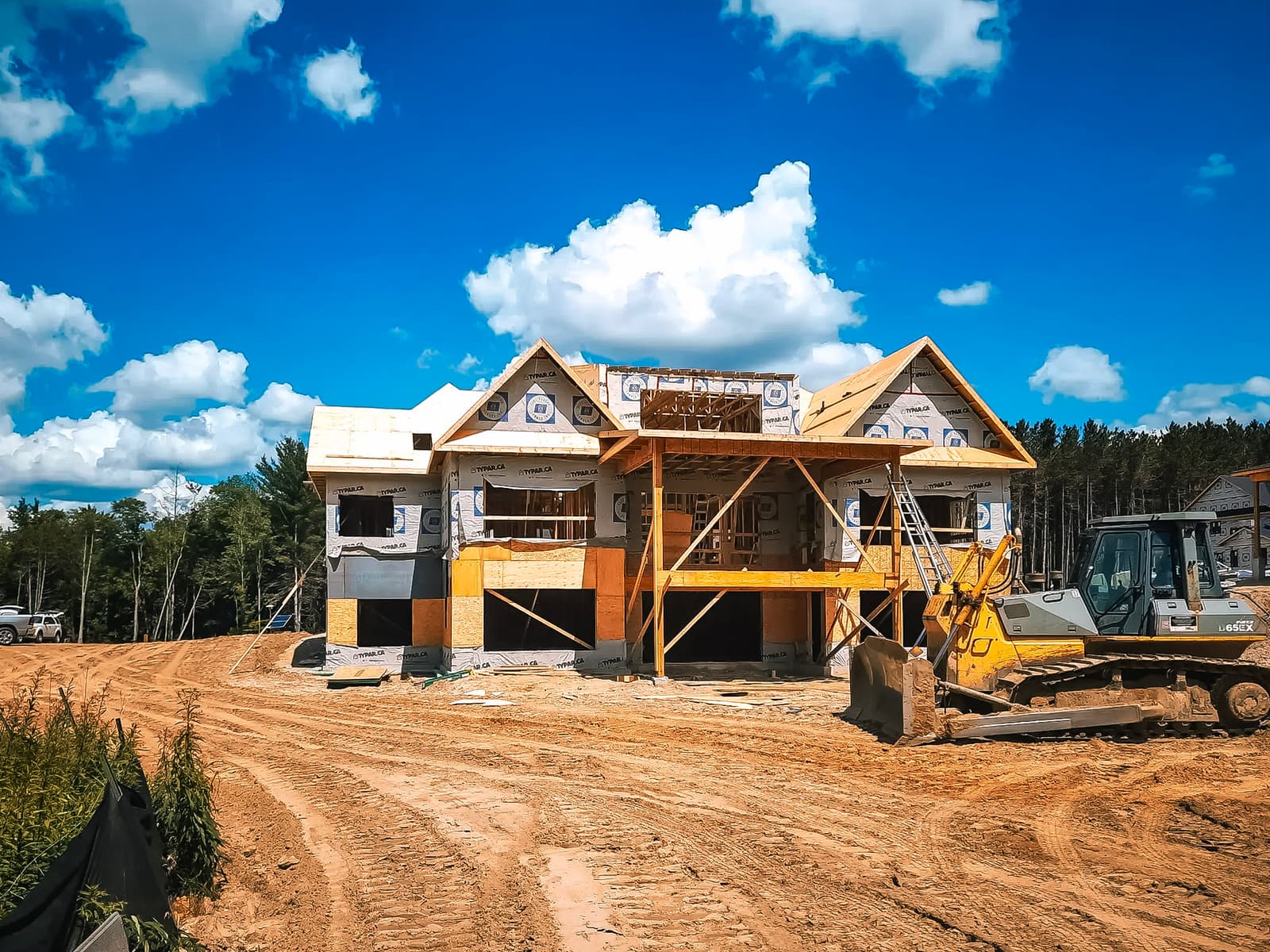
Building a new home is an exciting prospect, as many wait their whole lives to be able to put their plans for a dream home into action. Of course, constructing a house from the ground up can be a complicated process.
Editorial Team
•08 Nov 2023
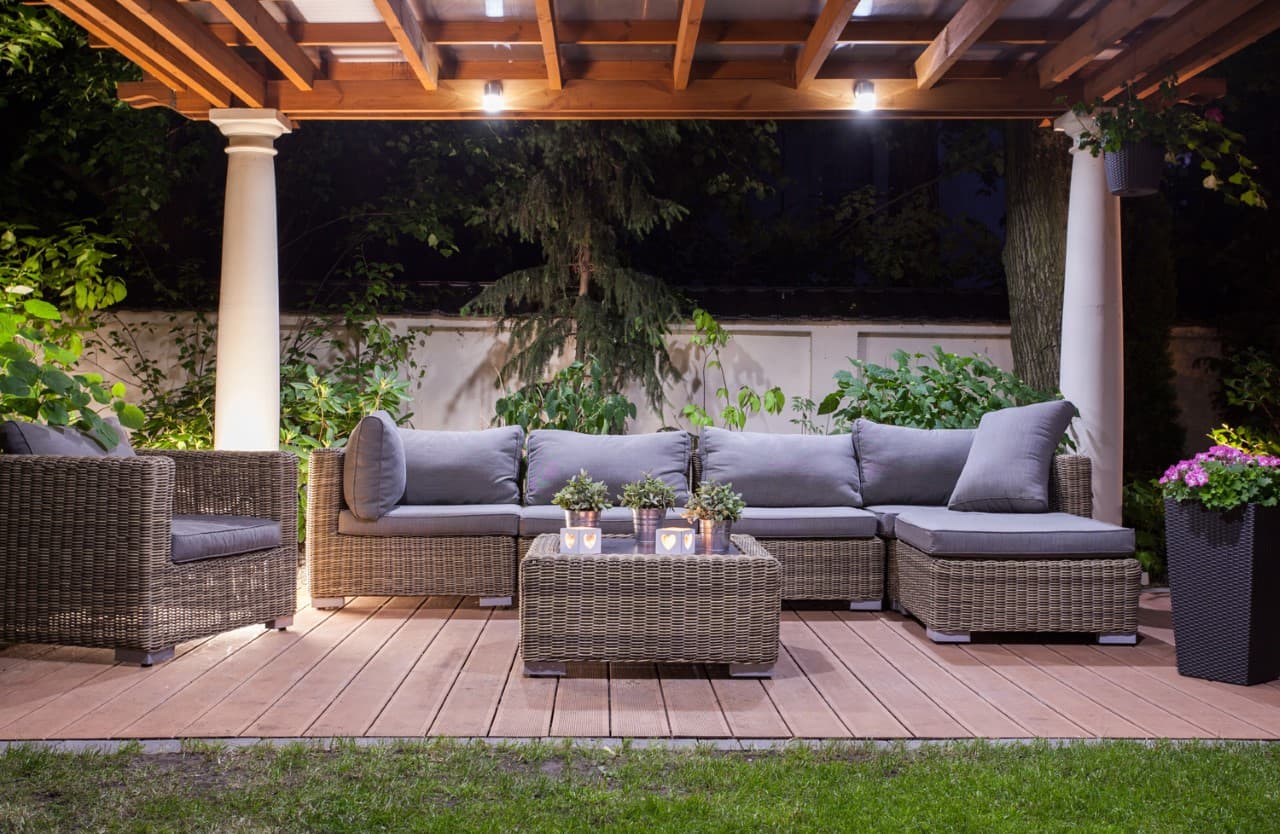
If you’re lucky enough to have a deck or an outdoor space of some kind adjacent to your home, you also know, without a doubt, that it’s a huge responsibility. While a deck is a super-valued and sought-after commodity, it can also quickly turn into a thing of pure chaos.
Editorial Team
•23 Jun 2025
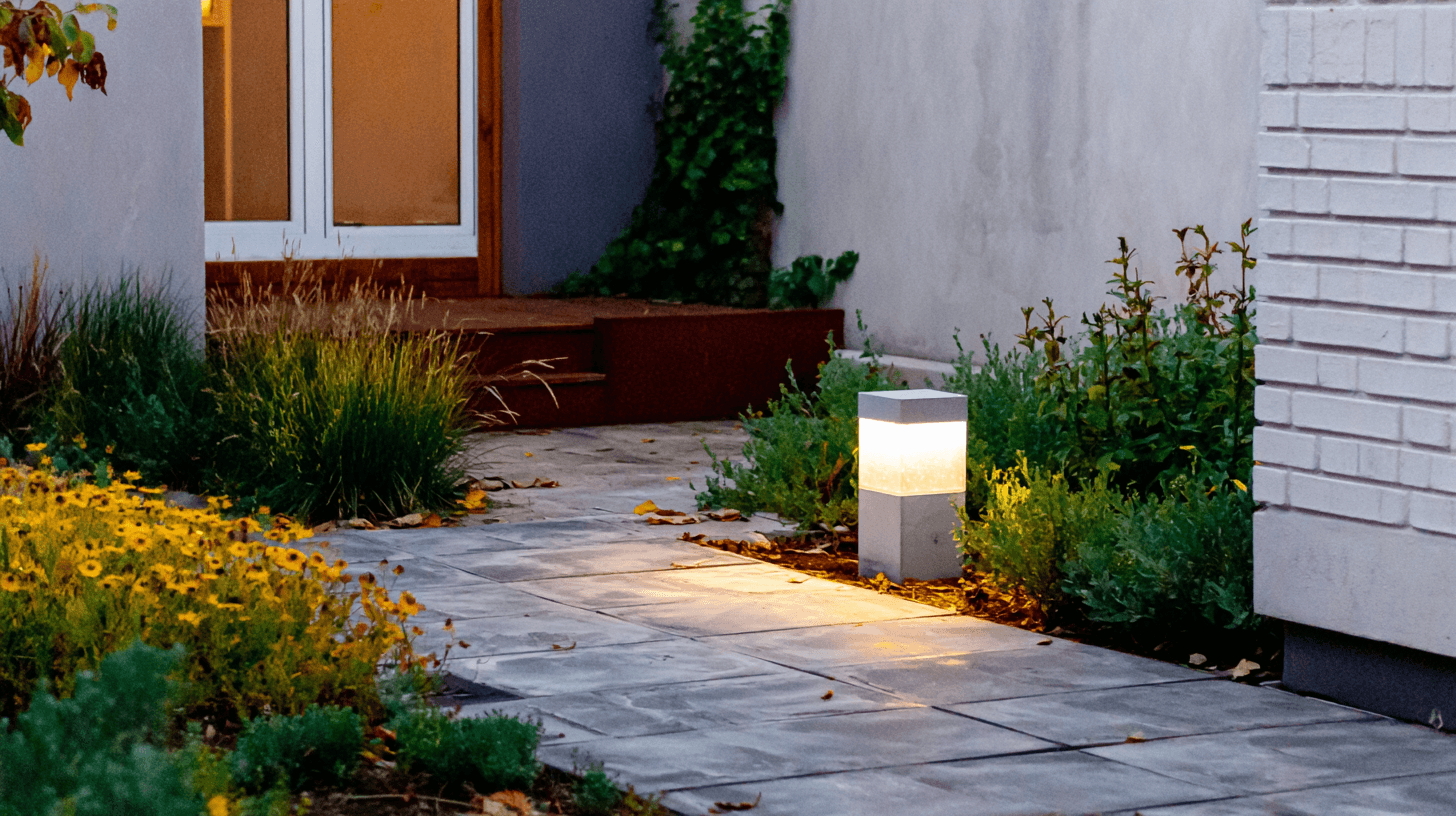
If you have a large yard, and therefore, perform a significant amount of yard maintenance, chances are you know a thing or two about dragging electrical wires along your lawn. Now, did you know that outlets can be mounted on soil-planted posts and wires can be buried beneath your feet? You can save yourself the hassle and frustration of pulling cords across the grass by running power underground!
Karine Dutemple
•08 Nov 2023
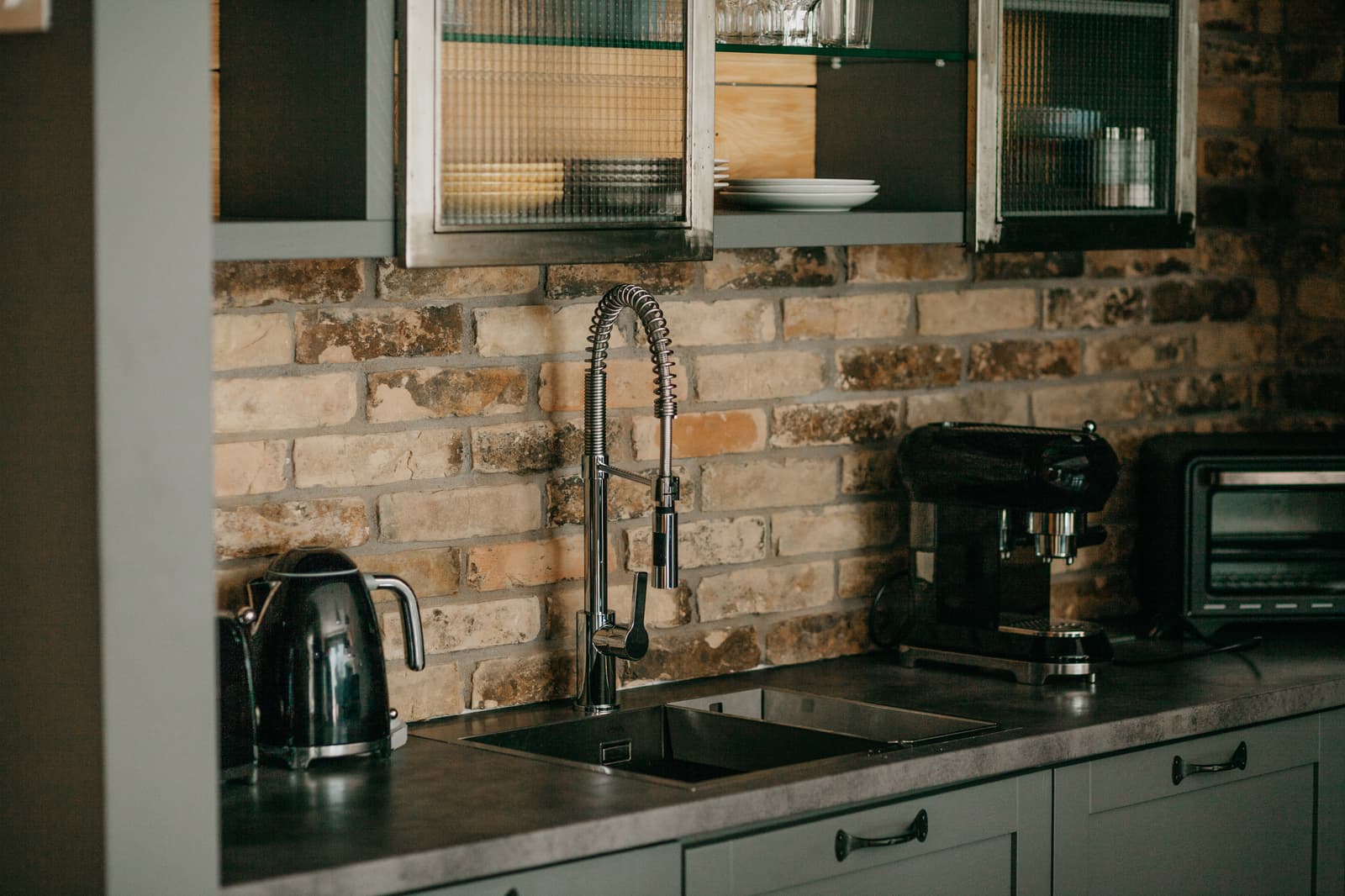
In a previous article, we presented the most beautiful white kitchens. However, some will say that white kitchens have dominated trends too much in recent years or will prefer to opt for darker shades. That's why we decided to create another list, this time showing kitchens where colour palettes are focused on darker tones like marine blue, forest green, black, brown and gray.
Editorial Team
•30 Apr 2026
Choosing the right insulation for your home isn’t an easy feat, especially given the many options available. How can you tell which type yields the best performance and overall value for money to meet your specific needs, and how much insulation costs depending on your choices?