Pressure Washers: Everything You Need to Know! | Renovation Quotes
By Amanda Harvey
Updated on August 3, 2026

A pressure washer is an excellent way to clean away the dirt and grime from the winter season that has accumulated on your outdoor surfaces. A pressure washer works efficiently, and with a speed and intensity that normal modes of cleaning can’t achieve. However, there are some safety methods and precautions that come along with pressure washing.
As a homeowner, it is important to be cautious about damaging your home or harming someone, but with the right techniques, you’ll be able to not only select the right pressure washer for the job but you’ll be able to keep things clean and safe. So if you’re ready to get things clean, read on to find out some of the best techniques for pressure washing!
Tips and Tricks to Consider for Pressure Washers!
To Buy or To Rent?

source: Wikimedia Commons
Before you go in for the purchase, make sure to consider how often you will use a pressure washer before buying one. This item is not cheap, and newer models will cost a pretty penny. Luckily, if you don’t have the funds to own one, they are generally available for rent from your local hardware store.
Renting is an excellent option for a one or two-day job, so if you plan on using a pressure washer for spring cleaning alone it may not be worthwhile to own one. However, if your local hardware store isn’t too close, and you don’t have access to a car, it might be hard and time consuming running back and forth with this heavy machine.
Whether renting or buying a pressure washer, there are few things to look for. You must consider the rate of flow and pressure levels of the pressure washer. Most homes are best served by a pressure washer with a flow of three gallons per minute and an output of pressure equivalent to 3000 psi or pounds per square inch.
This pressure is the amount of force delivered to the surface being cleaned. When shopping for a pressure washer, you will find an array of prices, as lower end models lack significant power and will be incapable of completing a large number of tasks. In contrast, larger and more powerful models that ring in at a more expensive price may be too much for the surfaces of your average home. Make sure that you do plenty of research before renting or buying. Weigh your options and take the necessary steps in the direction that suits you.
Nozzles and Tips
Pressure washer nozzles and tips are one of the most critical factors when it comes to the efficient use of this machine. Most machines will come equipped with interchangeable tips that are used for two things. Firstly, the selection of the nozzle tip will directly dictate the angle of the water flow. A tight angle is used to clean small surfaces or to complete precise jobs and should be avoided on sensitive materials.
A direct tip should be used for stubborn or intricate jobs, whereas a tip with a wider angle will still complete the task but will not lend to detailed surfaces. Other nozzles work to lower the pressure and draw out the detergent. Make sure that when using the pressure washer, the nozzle is completely attached before using the trigger gun. If it isn’t, homeowners risk losing the tip and potentially harming someone close by.
Cleaning Products
Chemicals used in the pressure washer should be approved for use specifically for this machine. Film removers and degreasers are commonly made for pressure washers. Film removers are used for washing away dirt and debris from your car or light, road washing. Degreasers are used for industrial cleaning or removing stubborn materials.
The reason to choose products that have been approved for use in the pressure washer is that they will likely be environmentally friendly. Since most of your cleaning will be completed outside, it is important that products do not harm surrounding vegetation and the environment.
Pressure Washer Cleaning Techniques

source: Flickr, your best digs
Of course, you can’t clean absolutely everything with a pressure washer. Only certain jobs should be completed with this machine, and specific surfaces need extra attention. Take extra care when spraying close to windows, greenery, soffit vents, eaves, or light fixtures, as high pressure can easily damage these items or blow out window seals.
Make sure the spray wand is angled downward when cleaning house siding. Spraying upward can force water underneath the siding panels and deep into wall cavities, leading to rot, mold, and ruined insulation. Further, take extra care around window frames, as small gaps can leak water directly inside your home.
Pressure washing requires careful planning and controlled motion. First, test your pressure washer's force on a discrete area. Start with the nozzle between 3 and 4 feet away from the surface, moving the wand in a smooth, side-to-side motion. Check the cleaning results, and if deeper cleaning is needed, gradually bring the wand closer. Moving in slowly prevents you from accidentally gouging wood or etching concrete.
Unless you are using a specialized commercial hot-water unit, always use cold water. Running hot water through a standard consumer pressure washer will melt its internal pump seals and ruin the machine. Finally, make sure to thoroughly rinse all detergent off surfaces before it dries, as dried soap can leave a dull film or permanent staining.
Looking for something else?
Related articles
The latest industry news, interviews, technologies, and resources.

Editorial Team
•18 Jan 2025
A true sanctuary and a rest and relaxation paradise, the bedroom sometimes needs a breath of fresh air to meet new needs and preferences, whether aesthetic or functional. To do this, however, one must be able to determine the ideal bedroom layout and design.

Paul Riopel
•30 Jun 2026
Renovating a home can be a daunting and often stressful experience for homeowners, not to mention a significant financial investment. However, when everything goes according to plan, and the hammering and sawing finally cease, the end result can be well worth it. Picture stepping into your stunning new kitchen, indulging in the luxurious shower you’ve always dreamed of, or finally enjoying that mini-bar you’ve been saving up for for years.
Amanda Harvey
•16 Jun 2026
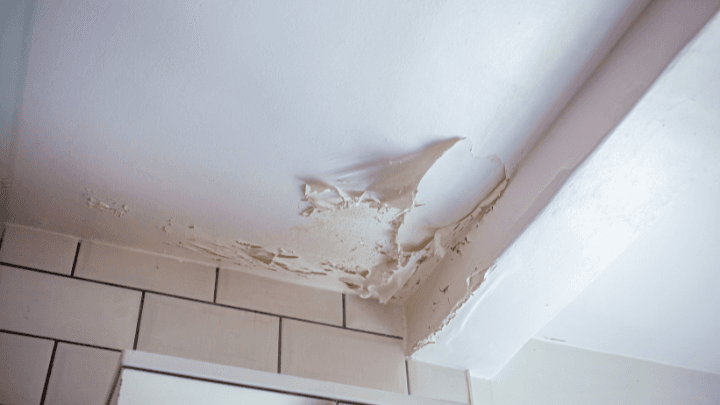
Showering, bathing, hair drying and moist towels hanging from every fixture; all the activities that take place in the bathroom breed humidity.

Christine Simard
•08 Nov 2023
The rusty look has never been on trend and unfortunately for us, it is inevitable when we have exterior metal structures that are exposed to the elements. If you are a person who enjoys doing small renovations on your own, it's good to know that metal, especially rusty metal, requires specific maintenance if you want to achieve a professional end result.
Cynthia Pigeon
•08 Nov 2023
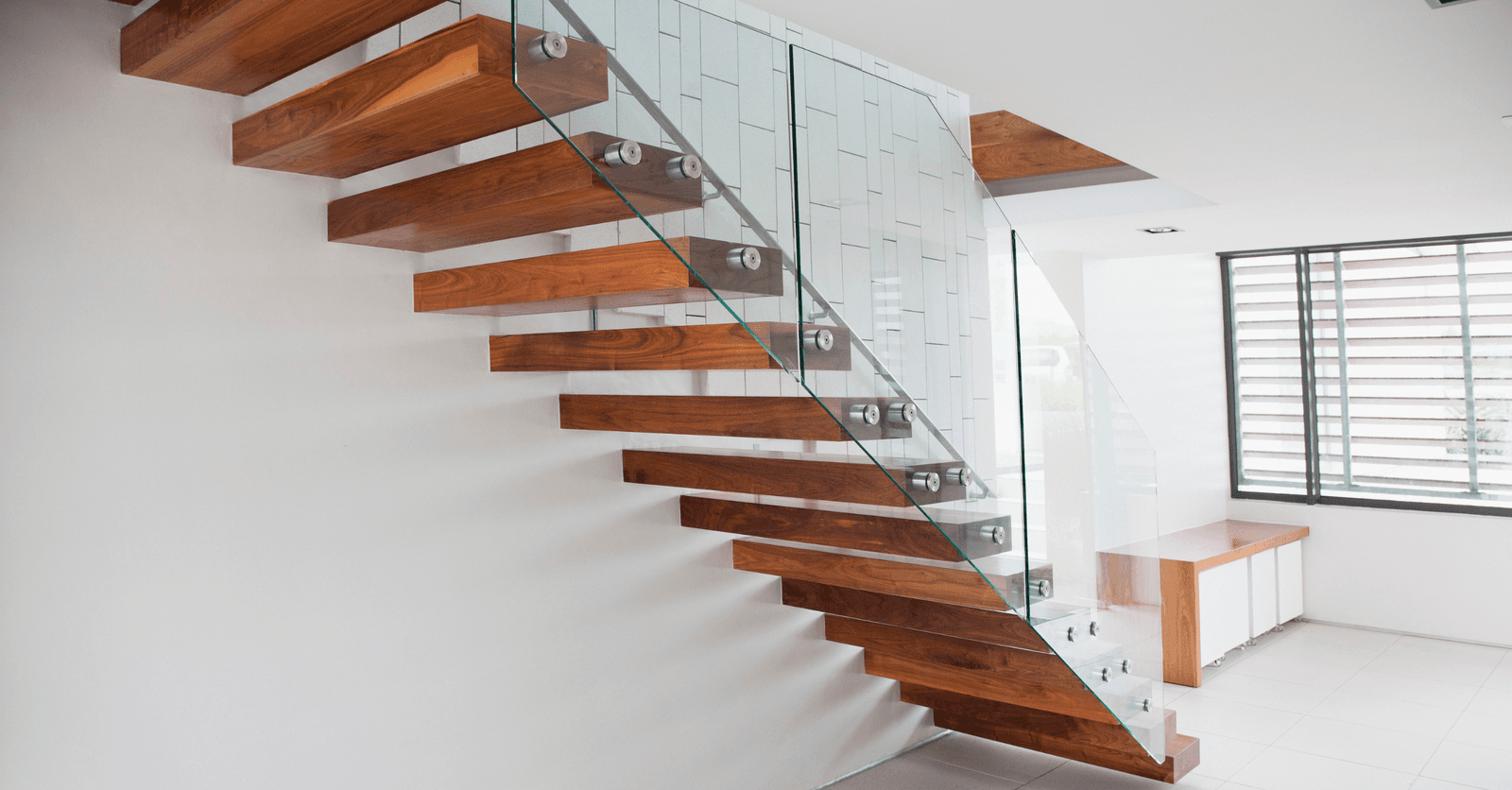
When you come home late at night, you desperately want to try to minimize the sound of your every footstep so as to not wake anybody up. However, this very mission can be hindered by squeaky stairs that may complicate your end goal. Even throughout the day, there is nothing more irritating than the squeak of the stairs at one’s every step.