Should You Repair or Replace Your French Drain?
By Editorial Team
Updated on November 8, 2023

Today, the importance of having a functional French drain in place to benefit your foundation has been well established. In Quebec, winter and spring weather, as well as the likelihood that your dwelling’s foundation is in proximity to a phreatic zone, can definitely put a strain on concrete foundations if not properly drained.
On the other hand, dealing with a French drain issue is a particularly complex undertaking. Not only does it require a lot of work, but it's also difficult to judge for yourself. So, should you repair it or simply replace it?
If you’ve already come up with a diagnostic and you’re more interested in learning about costs, click here (in French only).
How to Spot a Problem with a French Drain
We’ve covered French drain-related topics in depth in various articles on our blog, and if you’re seeking problem-specific information, we can point you in the right direction.
If we had to resume the telltale signs of a faulty French drain, we’d start by recommending checking the humidity levels in your basement, the presence of efflorescence on your basement’s concrete walls, or the presence of stagnant water during spring.
For more information regarding these warning signs when it comes to your French drain, refer to this article: What Are the Causes and Solutions to a Faulty French Drain?
French Drain Inspection

Source: Canva
Digital drain pipe inspection cameras are able to access a drain through the sump pump or the cleanout chimney to ascertain the situation at hand. A good inspection camera can also display its linear footage in real-time relative to its starting point so that the excavation isn't performed in the wrong spot.
Before considering replacing or repairing a French drain, look into a thorough drain cleaning if the situation allows. A French drain is usually cleaned with a high-pressure jet that dislodges the build-up of debris or rootlets (small roots). However, it's important to understand that a French drain may be too clogged to clean, thus requiring replacement.
Iron Ochre, Slopes, and Other Factors Affecting Your French Drain

Source: Canva
If your drain shows signs of iron ochre, you can have a drain that's adapted to the situation at hand installed, should this not already be the case. For reminder's sake, iron ochre is a naturally-occurring phenomenon in the ground, and if your French drain is capable of functioning properly in its presence, there’s no reason to have it replaced.
Check out this article to learn more (in French only).
If your French drain isn’t installed on a positive slope in a continuous fashion to favour its drainage, a camera inspection can also confirm it via water accumulation in your drain. If this is the case, the drainage slope will have to be redone, and if it’s an issue in more than one area, take advantage of the situation to replace the drain if it’s too damaged.
Oftentimes, a French drain will be covered will one or more layers of gravel in order to prevent the weight of the soil from crushing it. There are two main reasons why gravel may have entered the drain:
A sharp piece of gravel put too much pressure on the drain for too long, resulting in a crack;
The junction where the French drain’s two sections come together wasn’t properly done, thus allowing gravel to enter the drain in said area.
If that’s the case, you’ll need to replace the cracked sections of the drain.
Want to learn more about repairing a French drain? Check out our article: How to Repair a French Drain.
To Sum it Up
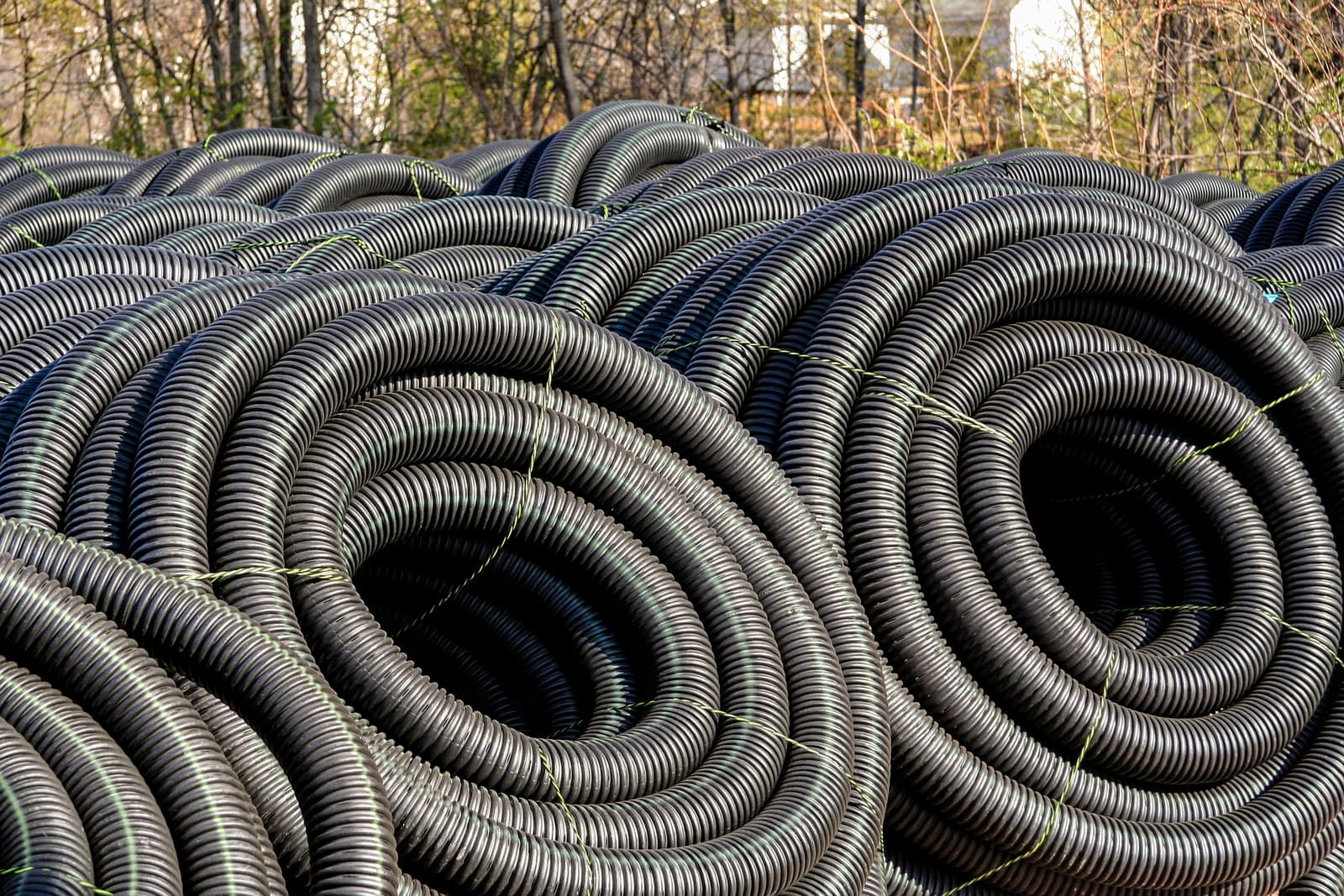
Before deciding on whether to replace the entire French drain, determine whether it should be cleaned or partially replaced.
The causes behind a faulty or damaged French drain are often due to naturally occurring factors (like it reached the end of its service life, the presence of roots or rootlets in the drain, or iron ochre) or simply poor installation (the drain’s two connection points weren’t properly fitted or the drainage slope was miscalculated).
The problem may lie in or around the drain itself—make sure the problem is pinpointed. Replacing the drain is useless if the drain slope isn't right in the first place!
If you have landscaping or foundation repairs scheduled, take the opportunity to have them done at the same time so you don't have to go through a second excavation. If more than one problem can be dealt with at a time, seize the opportunity to do so.
Here are some of our French drain- and piping-related articles:
Photo Sources: Pixabay and Wikimedia Commons
Get 3 renovation quotes for your foundation and French drain project
RenoQuotes.com can help you get quotes from a foundation project. By submitting your project, we’ll put you in contact with top-rated contractors. Fill in the form on the homepage (it only takes a few minutes), and you will get estimates from trusted professionals.
Dial 1-844 828-1588 to speak with one of our customer service representatives.
Looking for something else?
Related articles
The latest industry news, interviews, technologies, and resources.
Équipe éditoriale
•08 Nov 2023
It’s difficult to deny that as soon as the chilly weather arrives, rushing to the thermostat to crank up the heat seems like the only way to keep the inside of the home warm and comfortable. What you may not realize is that even if your heaters are on full blast, the indoor temperature will only stay cosy if your home is insulated correctly.

Cynthia Pigeon
•02 Aug 2024
When you start building or renovating your house, you’re faced with many choices, especially in terms of land location, the type of house you want (or have), the types of materials to be used, etc. Regarding the latter, it's imperative to select quality masonry materials to have a solid foundation, which will withstand heavy loads and the test of time. That said, are you looking to make an informed decision about which products to use? This article will allow you to get an overview of the types, brands, and prices of commonly used masonry materials.

Editorial Team
•15 Apr 2026
Slabs or pavers? This is a massive conundrum for those looking to design quality landscaping. While both items have numerous characteristics in common, slabs are preferred for their easy maintenance factor, and pavers offer a range of laying patterns (fan-shaped, lattice, basket weave, etc.).

Editorial Team
•08 Nov 2023
Your living room is really the focal point of any home; it draws people in, but above all, it garners stares. Bridging the gap between one room and another, it often becomes a post-dinner gathering spot between family and friends, just as a way of digesting and relaxing after a really good meal.
Editorial Team
•20 Nov 2023
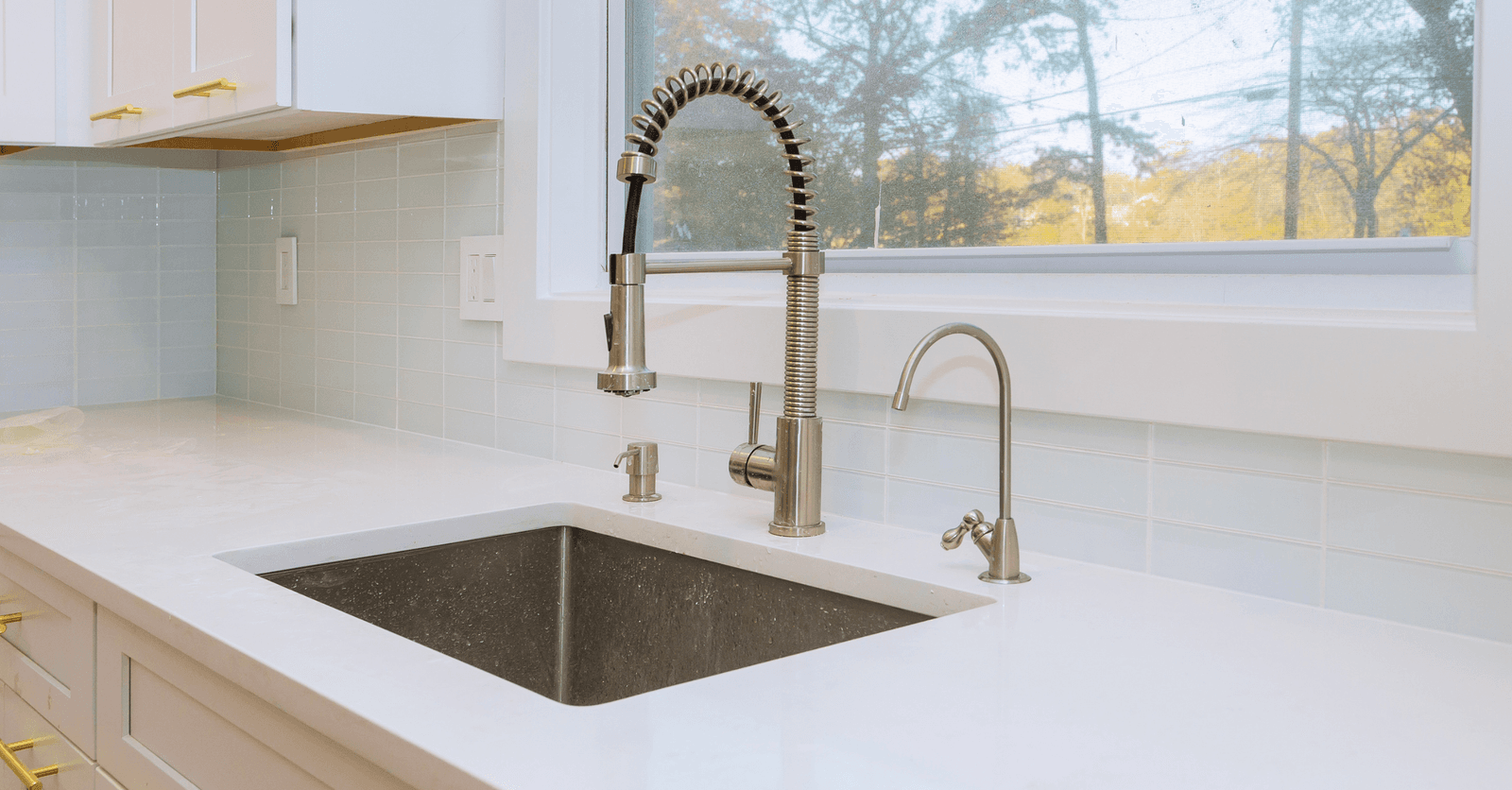
Do you have to change your old kitchen sink? The models available on the market are just as wide-ranging as they are diverse, meaning finding the right sink for the job can be quite tricky! To help guide your decision, here’s a rundown of the leading sink models.