
The basement of your home shouldn’t be an afterthought. In fact, a significant amount of time and dedication should be focused on making this space comfortable and at the very least, livable. Not only will this add to the resale value of your home, but having a properly insulated basement will save costs on energy bills and keep indoor temperatures comfortable.
Potentially you’re even looking to turn an unfinished basement into a new room or a one-bedroom apartment? Whichever the case, here are a few things that should be taken into account before you dive head first into your basement renovation project.
Here are the main steps to finish a basement
What to know before diving into a basement renovation project

Photo: Pixabay
So, you’ve decided to finally buckle down and finish that basement. Excellent! This project can add some much-needed space to a cramped home, either as an alternative living area or a bedroom. In other cases, you might be using your basement to house a laundry room or even an in-home gym. Depending on the amount of space that’s available, your basement could be set up to create additional storage, the possibilities are endless!
Of course, determining what your basement will be used for is the first step to taking on finishing it, as the steps of each renovation will be dependant on the end result. However, with every basement renovation, there is some preliminary work that must be done.
First, if working with electricity or plumbing in any capacity, such as setting up a washer or installing a toilet, moving or installing electricity and so forth, you will need to apply for a permit. In all municipalities and cities, electrical and plumbing work will always need a permit. This is due to the nature of this work, as it can be exceptionally dangerous for the novice. Even if you’re not working with electricity or plumbing, it’s crucial to look into whether or not you’ll need a permit for other forms of work. When it comes to applying for a permit, it’s better to be safe than sorry.
Curious if your DIY renovation might get you into trouble? Check out this article to be sure.
Questions you should ask yourself for a basement finishing project
According to the CMCH (Canada Mortgage and Housing Corporation), it’s crucial to ask yourself the following four questions before getting involved in any kind of basement finishing project.
Do you have to bend down to avoid a beam or a conduct?
Are there any signs of humidity and/or mould on the walls and floors?
Do the clothes and objects stored in your basement smell mouldy?
Are there any cracks on the floors and walls?
If you answered yes to one of these questions, you need to consider additional steps that may be undertaken in order to make the project possible. This is due to the fact that any mould found as well as severe structural issues could point to complications and concerns that may require the help of more than a single professional.
Humidity: a basement renovation challenge
Your basement is buried underground, this can’t be denied. As a result, the room temperature within its walls will vary less than in the other parts of your house. In order to keep your basement pleasant year-round, you’ll need to make sure that humidity levels are well under control and find a way to do this in the renovation process.
The basement walls will need to be constructed in a way that turns them into barriers against humidity coming from the outside. This generally means properly insulating them. We should mention that this kind of work is very delicate and contains risks. Therefore, it's better to work with a professional contractor who will make the right choices.
Wondering about how to properly insulate this space? Read this article all about insulation!

Photo: Deposit Photos
Why renovating your basement is profitable?
The construction of a beautiful basement will greatly increase the resale value of your home. If you have enough space, it's possible to do ever more with this room. First of all, begin by adding another room in your basement. This will offer one more confortable room to your home.
If you still have place, you can do the ultimate project: creating a bathroom and a kitchen to give life to a whole new housing apart from the rest of your house. This opens the door to major profitable transformations such as the creation of a duplex or an intergenerational home.
Further considerations for your basement renovation
Whatever the purpose of your new space, you'll want to create a basement that is well-organized, functional and comfortable. There are some obvious aspects that lead a basement to differ from other rooms of the home, and this includes access to natural light, dampness as well as maintaining temperature.
If you're going to use the basement on a regular basis, we’re recommending that you include sources of natural light whenever possible. This can be done using windows and light shafts. If you’re turning your basement into a bedroom or an apartment, use room dividers that let the light in as much as possible. This can be done using glass panes as well as clear glass blocks. Mirrors are another excellent way to reflect light and open up a space, just make sure they’re pointing towards a source.
If natural light isn’t a possibility for you, the next step would be to consider artificial lighting systems you could use. Options include light fixtures which are mounted inside the ceilings or floors, wall lights, and lamp posts. Even with natural lighting coming into the rooms, basements are arguably dark spaces so make sure this is reflected in your décor choices. Avoid painting with dark or drab colours as well as using light or minimal furniture.
Keeping with the idea of bringing in as much light as possible, choose decoration materials that have reflective qualities. Glass, metal and lacquered surfaces have the right characteristics to suit this purpose. Avoid painting with dark or drab colours and keep wall colours light and simple. Further, keep furniture light or minimal.
Lastly, if you decide to include a room where water will be used (laundry room, bathroom, indoor spa), don't forget that you’ll definitely need a pump to get rid of wastewater. In this case, think about a way to properly ventilate the room.
Get 3 renovation quotes for your home improvement project
RenoQuotes.com will put you in contact with 3 reliable contractors for your home renovation project. Fill in the form on our homepage (it only takes a few minutes), and you will receive quotes from trusted professionals.
Dial 1-844 828-1588 to speak with one of our customer service representatives
Looking for something else?
Related articles
The latest industry news, interviews, technologies, and resources.

Amanda Harvey
•08 Nov 2023
If you’re walking from one room to another and notice a slant in your floor that falls to the left or right, don’t panic. Although feeling a dip or a sag in your floor might initially bring anxiety, don’t get too bent out of shape about it. Chances are an uneven floor is pointing to a deeper problem, yet although there might not be a quick fix or solution, there are still some methods you can take to deal with the issue.
Editorial Team
•02 Jul 2026
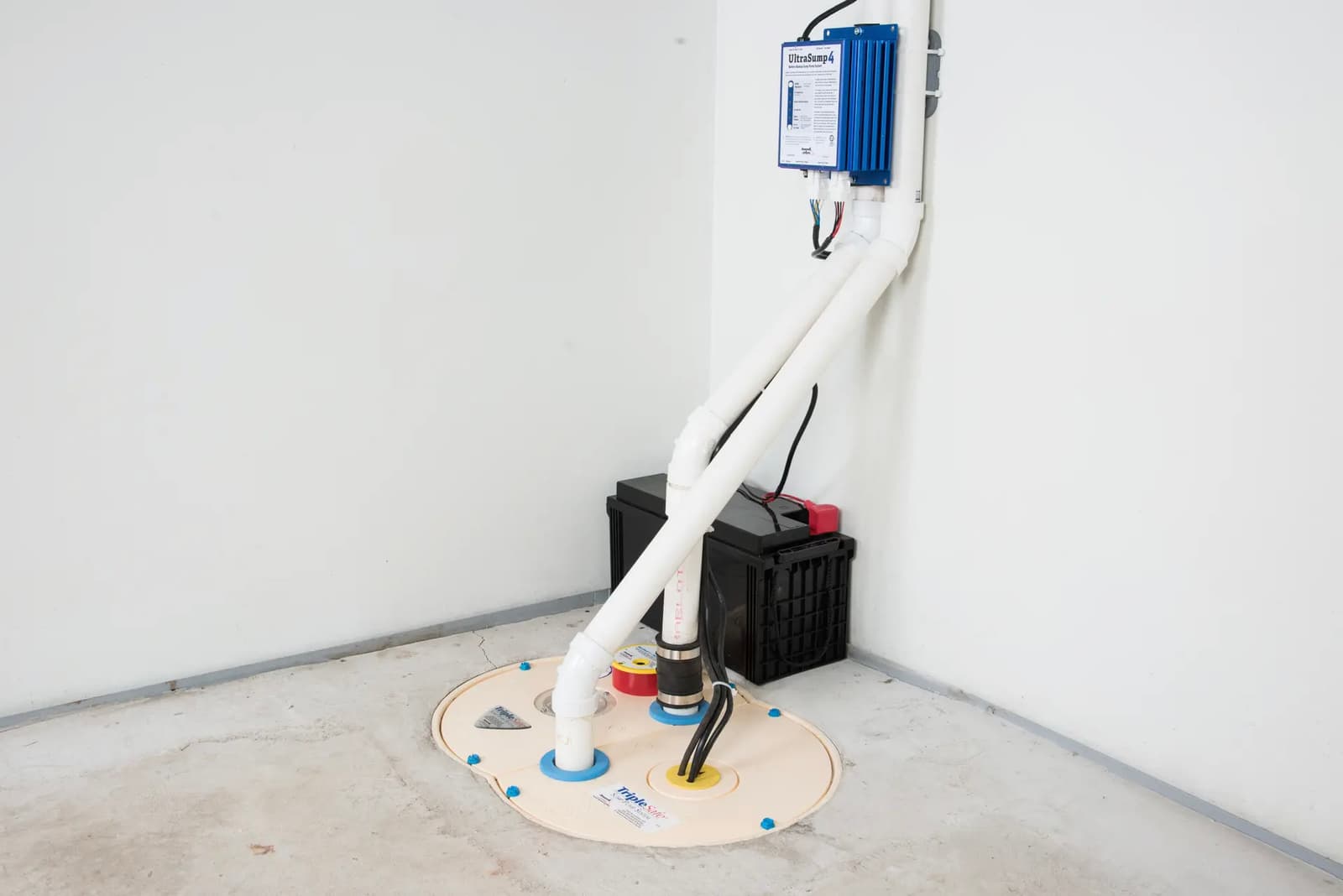
A sump pump is one of the most important flood-prevention devices a Canadian homeowner can have, especially in a home with a basement, crawl space, high water table, or history of water infiltration. Its job is simple: collect excess water in a sump basin and pump it away from the foundation before it can flood the lower level of the house.

Editorial Team
•21 Jun 2024
Are you remodelling, adding a sanitary installation, or building your home? Well then, a multilayer plumbing pipe is exactly what you need.

Léa Plourde-Archer
•08 Nov 2023
Brick is a building material that's been used for hundreds, if not thousands, of years. In terms of sustainability, it has proven its worth. It is a very clever system used for structures and exterior cladding. Brick is made to withstand different climates and is suited to both modern aesthetics and more classic looks. In other words, basic brick work has a very long service life, spanning decades and even more!
Cynthia Pigeon
•08 May 2026
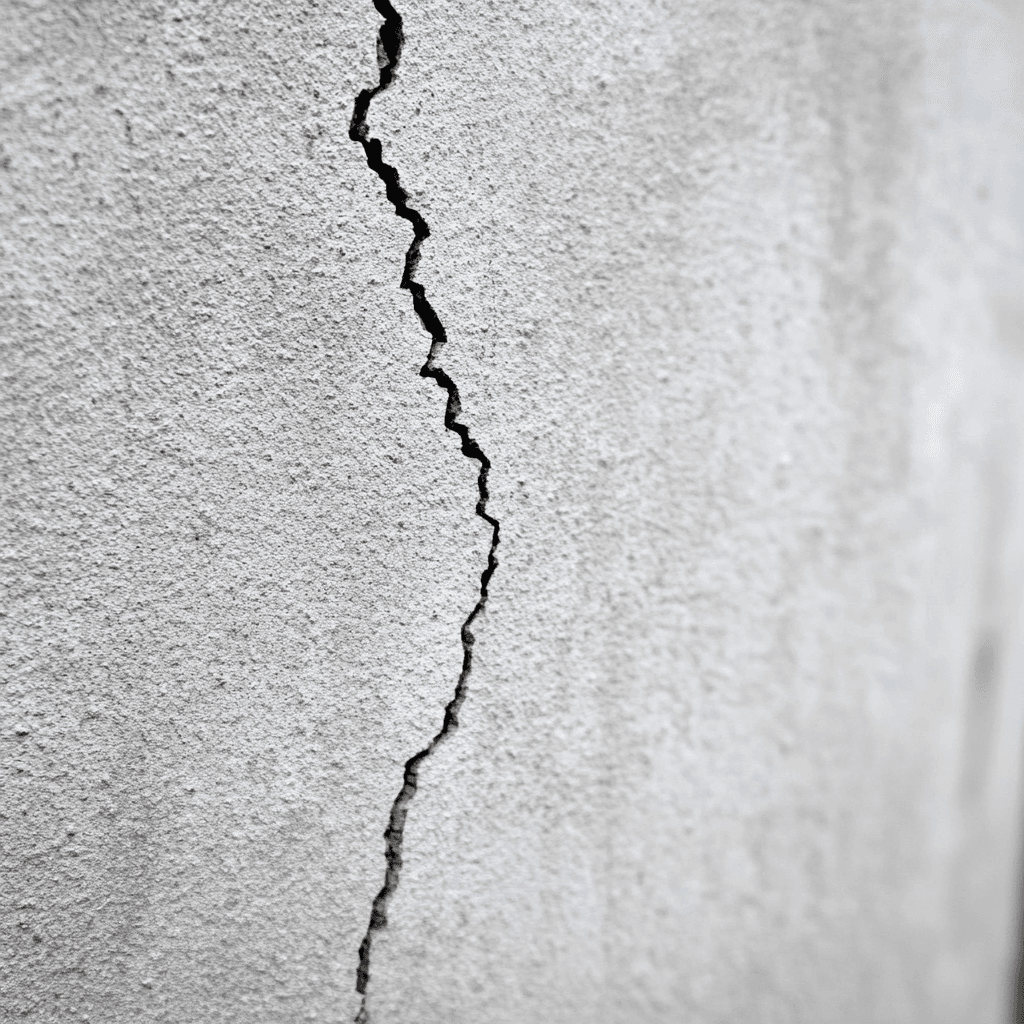
In Canada, the cost to repair a foundation crack generally ranges from $500 to $1,500 for an interior polyurethane or epoxy injection. If the situation requires exterior work, including excavation and waterproofing membrane installation, the cost is usually closer to $3,000 to $5,500 per crack. Prices vary depending on the depth and severity of the crack, site accessibility, soil conditions, and how urgent the repair is before freeze-thaw cycles worsen the damage.