
Building a home addition is beneficial in many ways. Whether accommodating new members of the family or just looking to add a bit more space, homeowners choose to add rooms to their homes for a variety of reasons. However, you can’t just place an extra room on the side of your house and call it a day! Home additions take careful planning to be executed properly.
Get Your Project Started Today
Submit your details and receive three free quotes from trusted contractors.
There are several steps that one must consider before diving head first into a home addition. From designing the room itself to securing permits and contractors, homeowners must be aware of all that is involved in this complex job. Luckily, RenoQuotes.com is here to give those interested some guidelines alongside a checklist of all the important home addition things!
Here's how to take on a home addition project!
Choose the Style of your Home Addition

source: pixabay, paulbr75
Home additions come in all shapes and sizes! This project requires homeowners to choose a style that works best for their homes and their family.
Match the old to the new
First, consider how you can integrate your addition into your current abode, making sure that the new space blends in with your home. Most homeowners want their addition to appear as though it has always been in place. You’ll want to repeat design elements both inside and outside of the home to make things cohesive.
Match finish materials such as siding, roofing and trim. Of course, not every element of the addition must exactly match with the original structure. If you can’t afford to replicate certain aspects, don’t worry too much, as it is easy to tie things together through colour and overall feel.
Building up or out?
There are two main ways to add to the structure of a house, either building horizontally or vertically. Most additions consist of increasing your home's footprint, and many homeowners take on first-floor additions, choosing to build out. Building out involves less disruption to the existing structure as well as to daily routine and home life. It is easier to live through this type of addition. For smaller additions, it is recommended that you stick to the main floor.
Of course, building out means that you lose some yard space. Also, make sure to check with municipal laws that could dictate whether this type of renovation is possible. Building up does not expand the footprint of the house, adding another story, expanding an already existing top floor, or adding a room over a garage or porch.
Although your home's footprint isn’t growing, work to strengthen the existing structure and foundation will be necessary to accommodate the extra weight. Again, make sure to check municipal laws to be certain of any height restrictions that may be involved.
Floating addition
To avoid foundation work when building smaller additions, a floating or hanging addition can be an excellent option. A contractor may have to determine if this type of extension is right for your home, as your home’s finished floor must be above the grade of the landscape outside. A floating addition requires no foundation work and will save the homeowner some dollars as a result.
Plan the Home Addition Building Process
Planning your additions building process will involve choosing the right materials and having everything ready. As we’ve stated, blending your new addition with the existing structure is the main goal of most homeowners. If you’re not able to fully blend new materials with the old, you’ll want something that compliments the existing home.
For indoor surfaces, if you have existing wood flooring, make sure you are aware that matching results may not be identical, as wood grains and stains always have slight differences. Tiles prove to have the same issues, as chances of finding perfectly matching tiles are slim. Certain companies can create reproductions of existing tiling, but don’t expect these to be inexpensive.
For outdoor surfaces, roofing plays a significant role in some home additions. If the roof of your addition won’t be connected to your current roof, you can easily get away with using a different material, either choosing the same material in a different colour or going for a different material altogether. Another option is to consider reroofing everything at the same time. Siding is another material that must be looked at.
Wood clapboards and shingles can be easy to replicate in their simplest form; however, elaborate cuts may need to be custom ordered. Materials such as vinyl siding and stone may be more difficult to match, so consider stucco or brick, as these are easier to work with.
Trim should be easy to mimic, and your contractor can likely find the same trim at your local hardware store. For specialty moulding on the outside of older homes, this may be harder. Custom milling is possible, and won’t cost too much. For all other exterior materials, such as doors, hardware, windows and paint colour, you shouldn’t have much trouble finding similar or matching solutions. Bear in mind that repainting an entire home exterior can add significant cost to an already expensive project, so try and avoid this unless it’s in the budget.
Start your Home Addition Project!

source: Pexels, Pixabay
As you’ve probably discovered, a home addition is a major project involving many aspects and people! The people you hire to complete the job are of the utmost importance, and completing this project smoothly will directly depend on your team. Depending on your addition, you’ll want someone who specializes in the trades that you need. If the project is quite large, it is recommended that you hire an architect. An architect will focus on design and structure, rather than colour and finish. They will look at the overall project design.
General contractors will be hired to oversee the building process, subcontracting out specialized work such as electric wiring, heating flooring, roofing and landscaping. As an addition is a complex job, and relying on a general contractor is necessary for the smooth operation and completion of this project.
A design-build contractor is another option and is a mix between an architect and a general contractor. This option makes evolving the project during progression a bit easier. Make sure that if you choose to hire a design-build contractor that they get the overall vision, as they will be overseeing all aspects of the project.
Furthermore, make sure to consider all the areas of your life which may be affected by this job. There may be damage done to your lawn or landscaping of your property, especially if your home addition consists of adding to the foundation. Take into consideration dust that will accumulate during the renovation project, as all construction projects produce a significant amount of dust.
Also, make sure to think about project costs ballooning, and set aside some additional budget money for any problems that may arise. Also, with any project delays are always possible so bear this in mind when you begin your home addition!
Looking for something else?
Related articles
The latest industry news, interviews, technologies, and resources.
Editorial Team
•28 Jan 2026
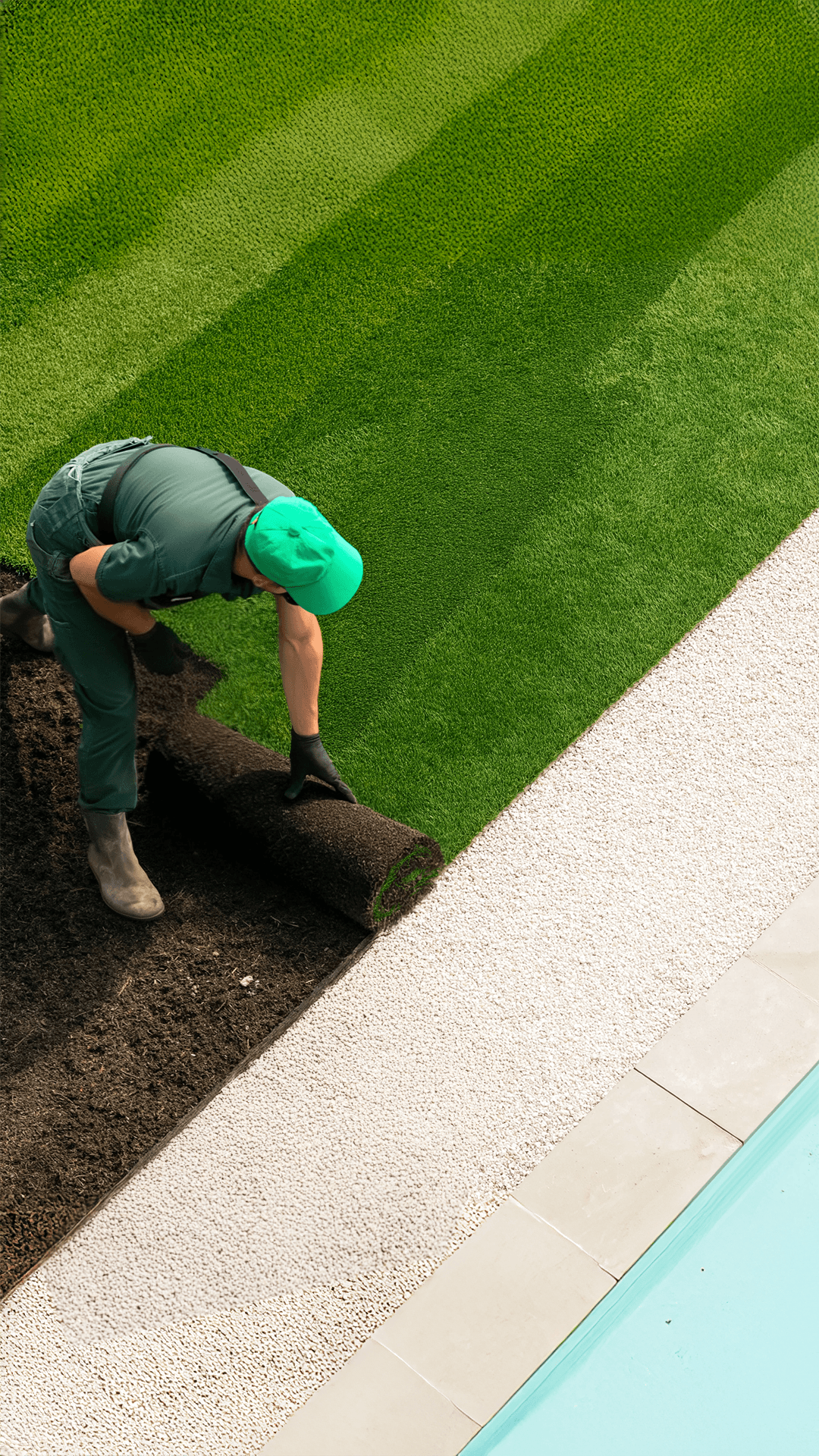
In 2026, the landscaping industry in Quebec is booming. With increasing demand for sustainable outdoor spaces and creative landscape design, residents across the province are turning to qualified landscapers to transform their properties. Whether you're looking to improve your curb appeal or completely revamp your backyard, understanding the role of a landscaper is crucial to a successful project.

Léa Plourde-Archer
•24 Oct 2024
Water infiltrations (also known as water ingress) mostly happen in basements. However, this type of problem can also occur in other parts of the house, such as the roof or the walls, especially around door and window frames.
Editorial Team
•01 Jun 2026
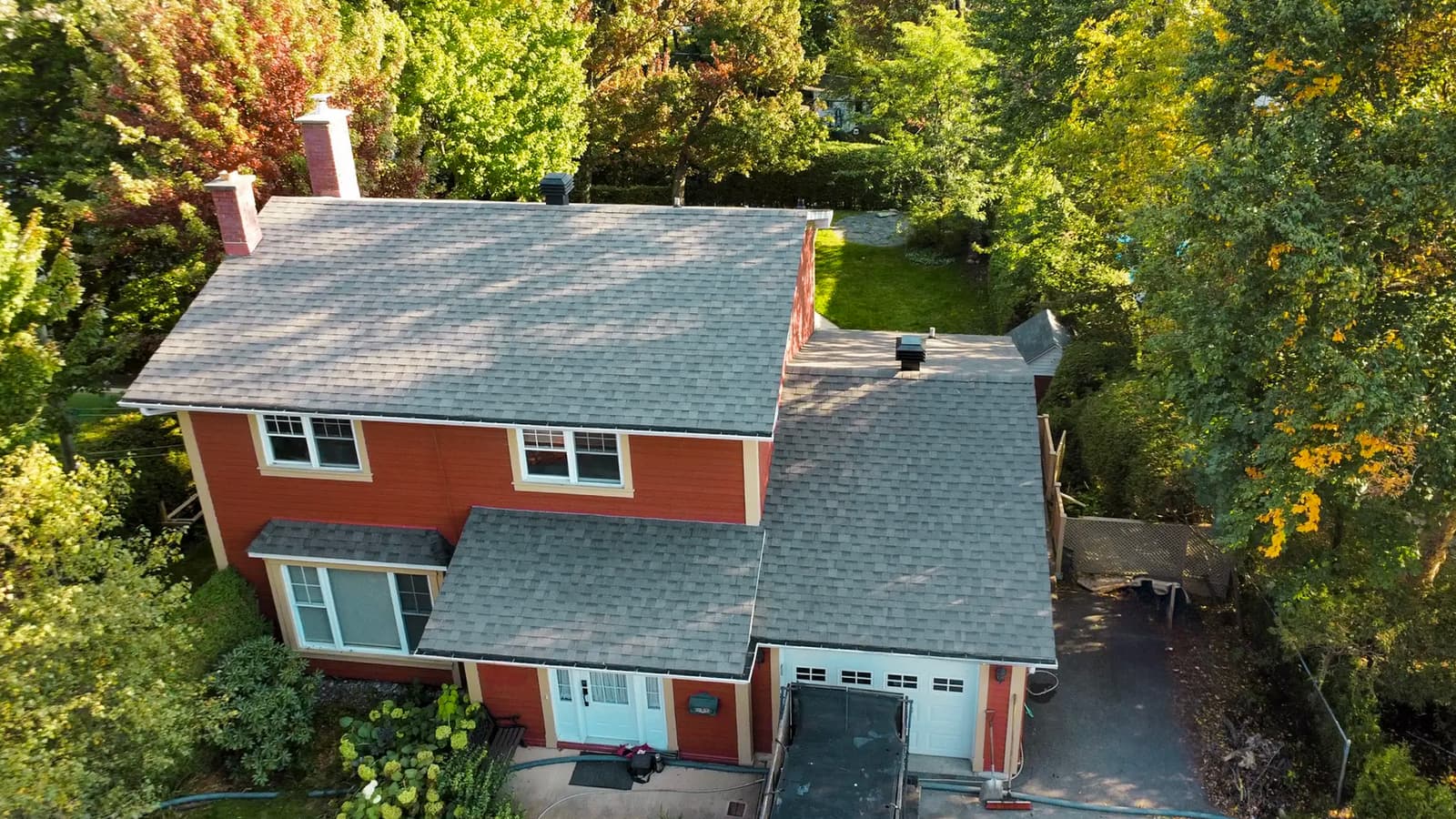
We’re all grateful to have a roof over our heads, as the expression goes. The roof is one of the essential parts of a home, ensuring comfort for its occupants by providing protection from the elements and keeping the interior watertight. However, most people are unfamiliar with the various components that make up a roof, the roles they play, and how they affect the overall cost of a roofing project. Indeed, the cost of repairing or installing a roof largely depends on its components.
Cynthia Pigeon
•14 May 2026
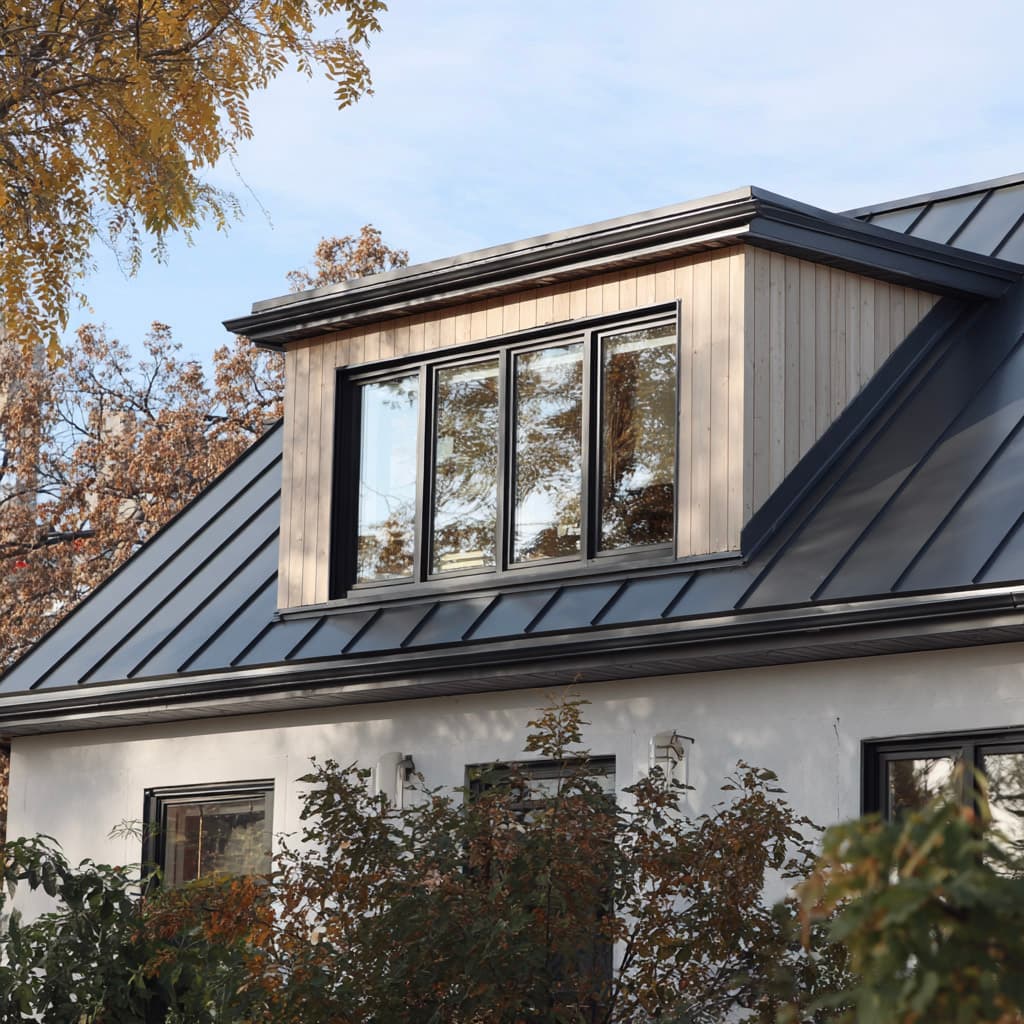
In 2026, the cost of a metal roof in Canada generally ranges from $13 to $30 per square foot, including installation, depending on the type of metal, profile, roof slope, project complexity, and site access. For an average single-family home, homeowners can expect to pay around $13 to $25/sq. ft. for galvanized steel or Galvalume, and up to $30/sq. ft. for aluminum. Although the initial investment is higher than that of asphalt shingles, a metal roof can become a very worthwhile long-term option thanks to its potential lifespan of more than 50 years and its strong resistance to Canada's tough weather conditions, especially if you plan to keep the property for many years.

Editorial Team
•08 Nov 2023
Whether choosing to renovate the kitchen or bathroom, ceramics are an excellent choice as they allow you to conceive designs as diverse as they are original. Available in a large variety of styles, ceramics make it easy to create custom pieces as they offer an infinite range of possibilities.