How to Determine Whether Your Foundation Problem Is Urgent
By Editorial Team
Updated on November 8, 2023
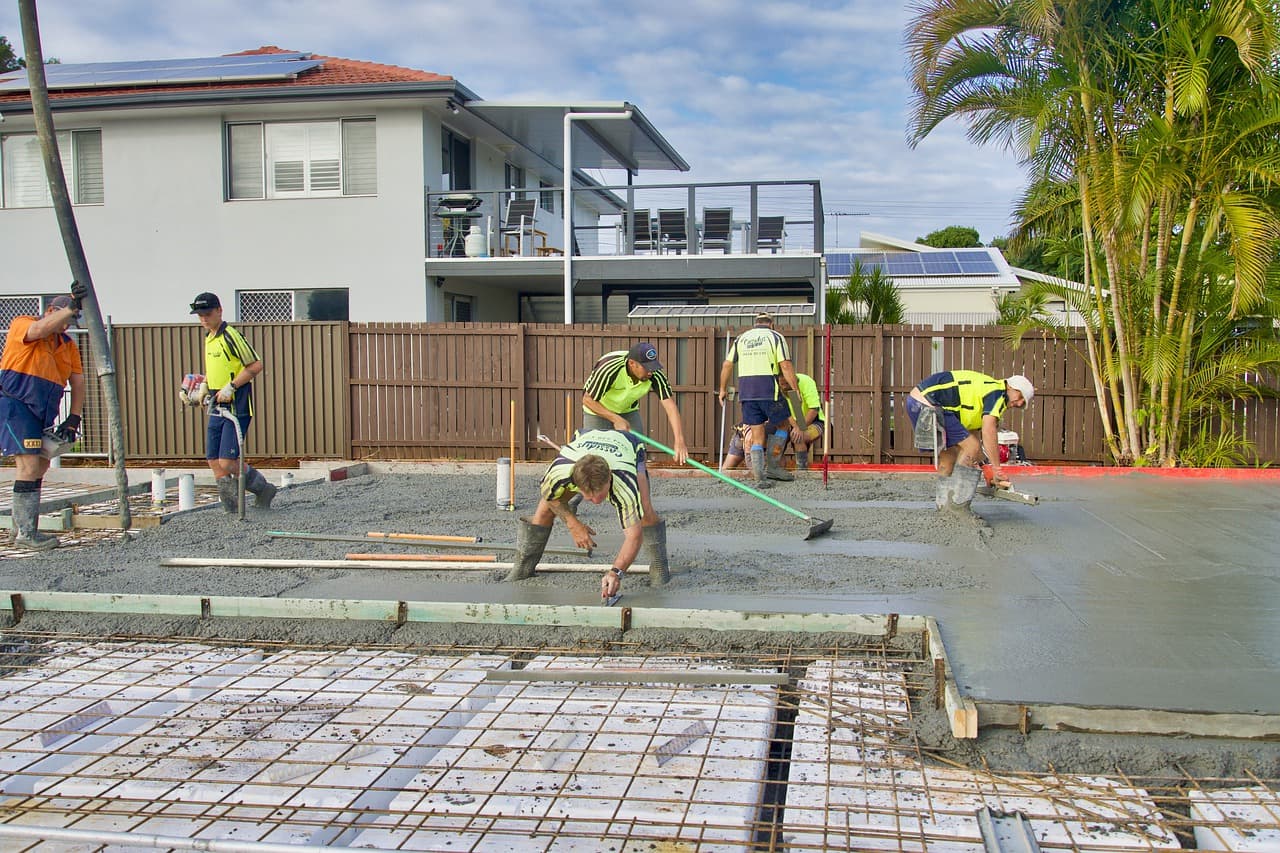
Your home is an investment and an expensive and important one at that. Of course, signs of damage to any piece of your house would be concerning.
Now when it comes to the foundation, the support for the entire structure, it needs to be sturdy or nothing can be. Have you noticed a slight slant to your interior floors? Or a large crack in the concrete slab of your foundation? These could point to potential issues. But how do you determine their urgency?
If you suspect there may be a problem with your foundation, but aren’t quite sure how or when to deal with it, you’ve come to the right place. This article will offer some insight into common foundation problems, as well as when something needs urgent attention.
How to determine when a problem with your foundation is urgent
1- Floor or foundation cracks
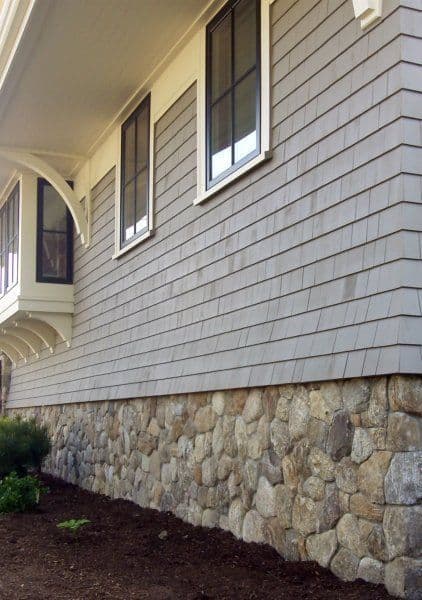
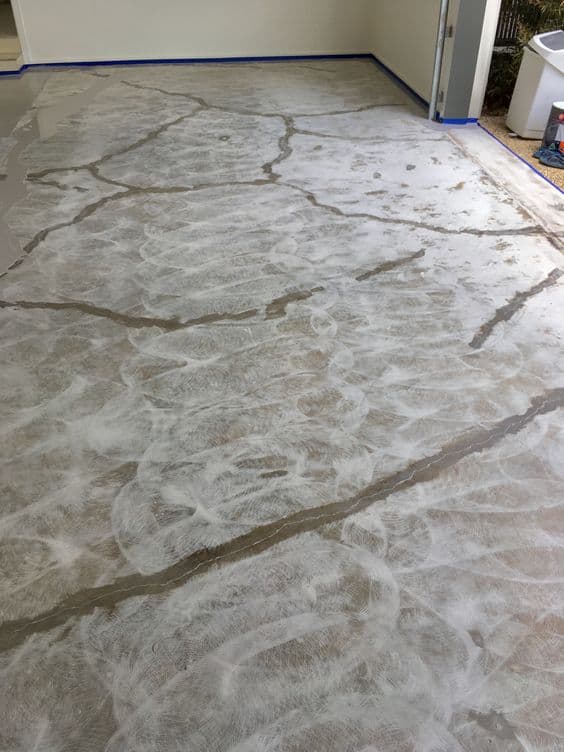
If you’ve noticed cracks in your foundation or on the exterior of your basement, this could indicate an issue with your foundation. Other noticeable cracks could be seen in your floor or if you notice wall fissures as well as a broken or damaged chimney.
Movement in your foundation is fairly normal, as changing weather and soil conditions can cause it to shift. In some cases, this will cause cracks. Thus, not all foundation cracks point to an immediate problem. Finding tiny cracks in the first 2 to 3 years after a foundation is constructed can be seen as normal.
However, horizontal foundation cracks in the brick exterior or concrete, as well as in the interior of your basement, could point to deeper issues. A horizontal crack is more serious than a vertical crack and may indicate that the home’s perimeter is experiencing an uncomfortable amount of pressure. Serious cracks will be over 15 mm or 6'' and if these are horizontal, it could mean that there’s an excessive amount of pressure that’s affecting your foundation. Further, any cracks at a 45-degree angle point to drastic foundational movement.
We should note that when brick comes into contact with your foundation, it can create large angular cracks that are sometimes 10-15”. Look for these on your home exterior, typically around the corners. If your home is older, cracked brick can also point to a foundation issue. Do bear in mind that cosmetic cracks are nothing to be concerned with, but watch for the signs mentioned and get in touch with a professional if you’re feeling these need to be dealt with as soon as possible.
You need more information on that specific issue? Check out our article How to Repair Cracked Foundation Walls.
source: the garage floor co.
2- Settling and sinking foundation
A settling foundation is a normal occurrence, but how can we determine when a sinking foundation is serious? Over time, if you begin to notice your interior floors leaning or slanting to one side, this is a definite sign of your foundation sinking. Generally, the other sides will follow suit and begin to settle as well. Of course, if this doesn’t happen, there is a chance you’ll need to call a foundation repair contractor.
Another note is if you notice a gap between your foundation and your home. Normal gaps will be vertical and can appear like small dips around ½” to 1”. Naturally, if these begin to grow over 3”, this is cause for concern.
In these cases, your foundation will need to be lifted and this can include the installation of interior or exterior foundation piers. If your home is built atop a concrete slab, this job can be quite difficult, as it requires cracking the slab and restructuring it. If extensive settling is happening, it’s important to deal with it as soon as possible. This is because leaving this issue can lead to many safety problems. Do bear in mind that foundation movement affects all houses differently and depends on the type of foundation your home has underneath it.
3- Doors that stick or gaps around frames
Sticking doors are a sign that you may be encountering a problem with your foundation. What’s important is where your interior doors are sticking. If they tend to drag or stick at the top then this could be a sign of deeper foundation issues. When it comes to exterior doors, they’ll look or hang unevenly. In this same regard, gaps around window and door frames may also be a sign of an existing issue with your foundation. This issue is most common with slab or pier and beam foundations.
Now, doors can stick as a result of humidity inside the home and this can happen during the summer months or the few days following a rainstorm. If you find your doors are sticking when there isn’t much humidity present in the air, it’s important to do a walk around and check for any cracks or fractures in the foundation itself. If you find any, call a professional.
After a qualified contractor evaluates the foundation, they may determine that the issue is leaking water. In this case, you’ll need to enlist a plumber to perform a hydrostatic plumbing test. If the situation is more serious and you need further repairs, at least a professional evaluation will let you know.
source: nesting with grace
4- Counters and cabinets separating from the wall
As expected, having your cabinets or counters pull away from interior walls would be cause for concern for any homeowner. If you find a gap that is more than ⅛”, chances are you may be dealing with a foundation issue. When your foundation is not level, walls can’t sit level. Thus, they’ll begin to slope and the weight of the cabinets or countertop will cause it to pull away from the wall.
As with all these warning signs, we recommend getting in touch with a professional who’s able to perform a foundation inspection. This is a surefire way to know the timeframe you’re working within and how swiftly foundation repairs must be approached.
Curious about foundation repair prices? Check out our article on the subject!
Do you want to learn more on the subject? We have some articles that might interested you:
Get 3 renovation quotes for your foundation issues
RenoQuotes.com can help you get quotes for your foundation renovation. We have a network of home renovation specialists that will be glad to find the proper solution for your particular situation.
Dial 1-844 828-1588 to speak with one of our customer service representatives
Looking for something else?
Related articles
The latest industry news, interviews, technologies, and resources.
Cynthia Pigeon
•08 Jul 2026
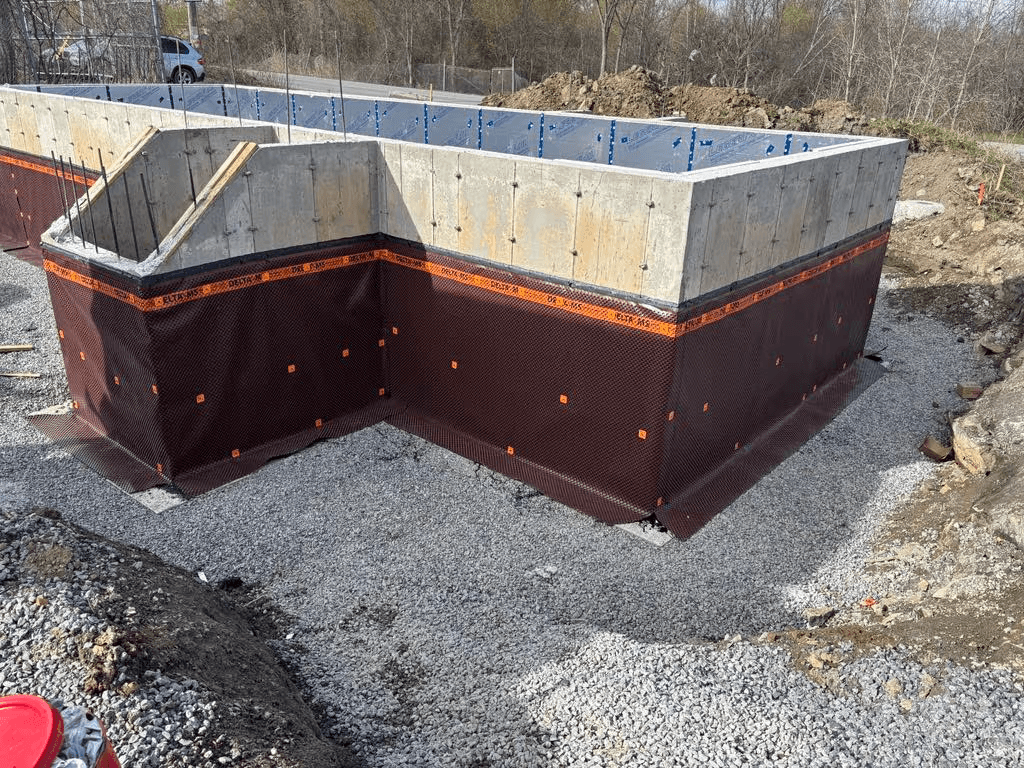
For homeowners in Quebec, managing moisture and water around foundations is a major challenge. Basement water infiltration can quickly cause significant damage, whether structural or not, while also promoting mould growth that can be health-hazardous. When facing this issue, foundation waterproofing is one of the most durable solutions, especially when combined with an effective drainage system.
Editorial Team
•17 Feb 2026
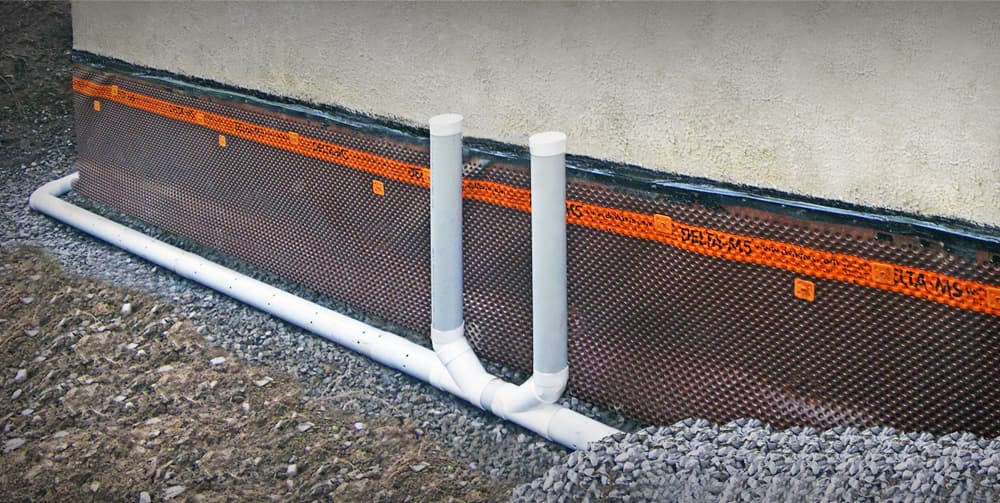
The installation of foundation drainage systems must comply with the Quebec Construction Code as well as the requirements of the Régie du bâtiment du Québec (RBQ). In practice, professionals also refer to standards from the Bureau de normalisation du Québec (BNQ) for material selection and installation methods.

Editorial Team
•08 Nov 2023
Need a bit of advice on how to get started on your house painting project? We met with Antoine LeBouc, one of our painting contractors, to give out a few of his best tips. To check out the video (in French with English subtitles), click here!
Cynthia Pigeon
•24 Sep 2026
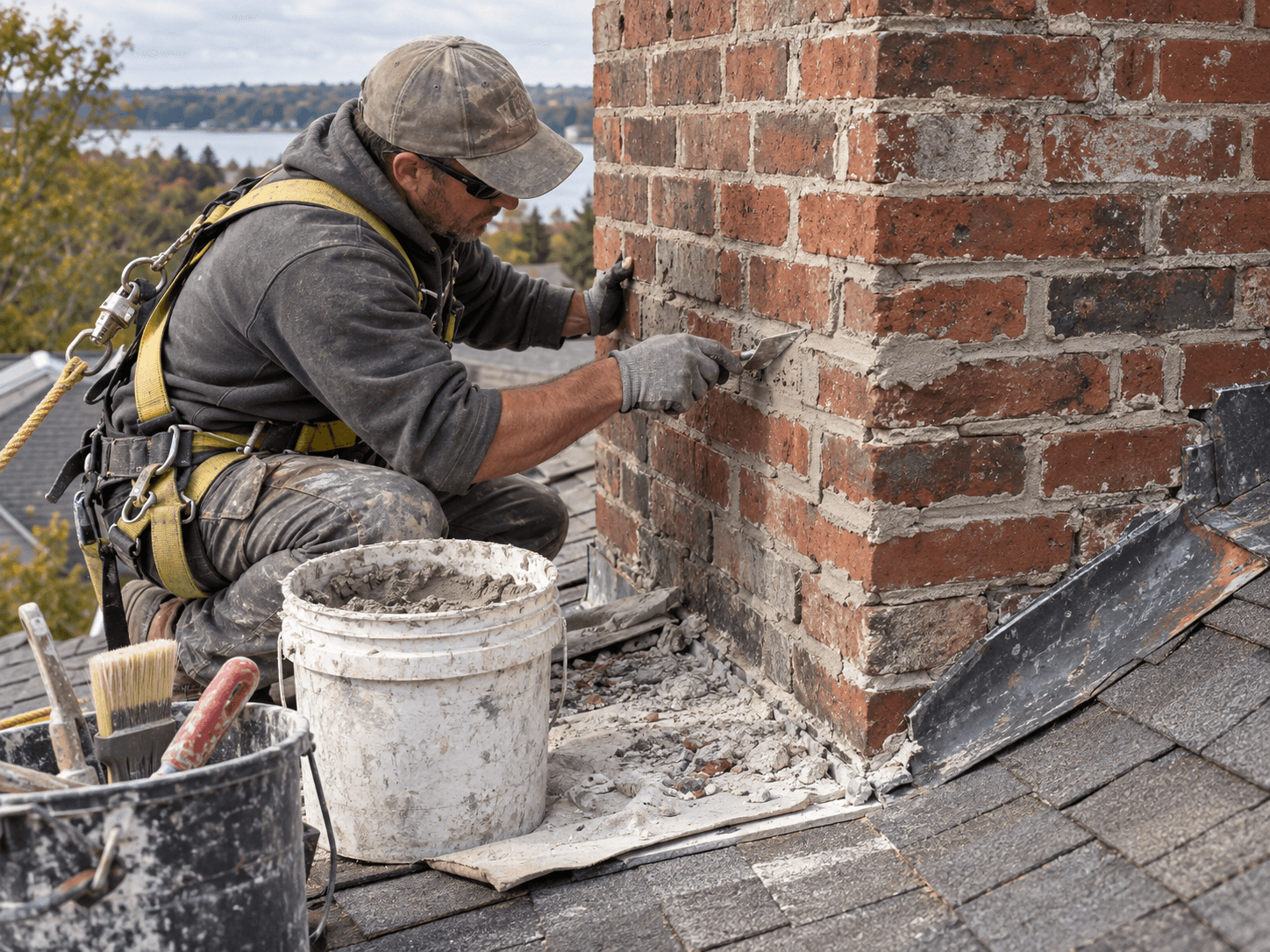
In Quebec, masonry chimneys face relentless exposure to harsh weather. Between fall rainfall, winter blizzards, and extreme temperature fluctuations, bricks and mortar joints undergo numerous freeze-thaw cycles every year. Over time, water seeps into the porous mortar, freezes, expands, and can cause the brickwork to crack and deteriorate from within.
Léa Plourde-Archer
•24 May 2024
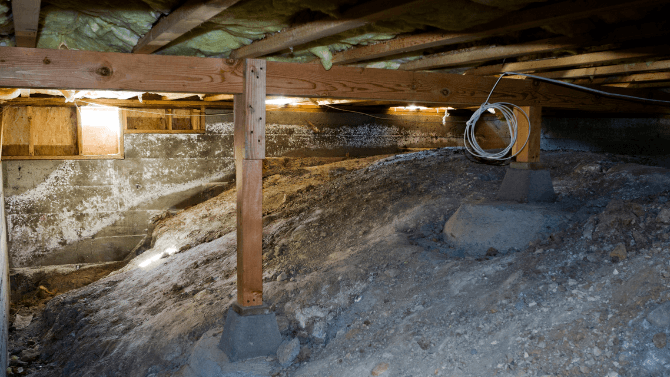
Crawl spaces are not that well known in the modern home as more often than not, they are found in older houses. However, in recent years, they have made a comeback in newer constructions and homes appearing on the market.