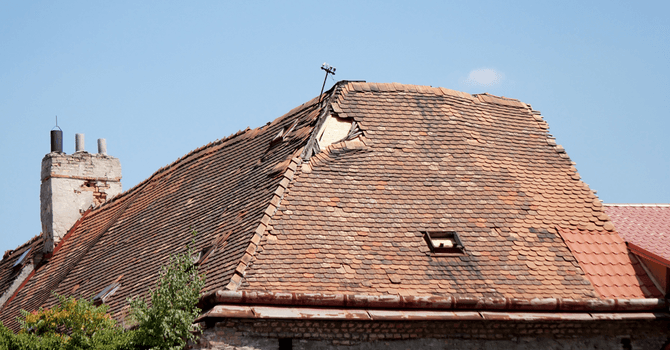
Having a roof over our heads is one of the many modern luxuries to which we all aspire. In fact, the roof of one’s home is a very important feature. Not only does it prevent the outdoor elements from entering indoors, but it actually regulates interior temperatures.
Of course, the lifespan of a roof depends on several factors and keeping it in good shape is integral to maintaining a comfortable interior. So, what happens when this feature undergoes wind damage?
A wind-damaged roof is common, as extreme wind, rain, hail and snow can severely affect the structure. If left unattended, this damage will only worsen. So, what can you do about it? Read on for our solutions for a wind-damaged roof.
Main Solutions for a Wind-Damaged Roof
How to spot roof damage
First things first, there’s been a major storm and now you may suspect that your roof has been damaged. But how can you really be certain? Before calling a roofer, here are the steps to take to check if your roof has been damaged and how bad it is:
Start by inspecting your attic or crawlspace for visible leaks as well as signs of water damage. Look up at the ceiling and check for stains. This is a surefire sign of roof damage.
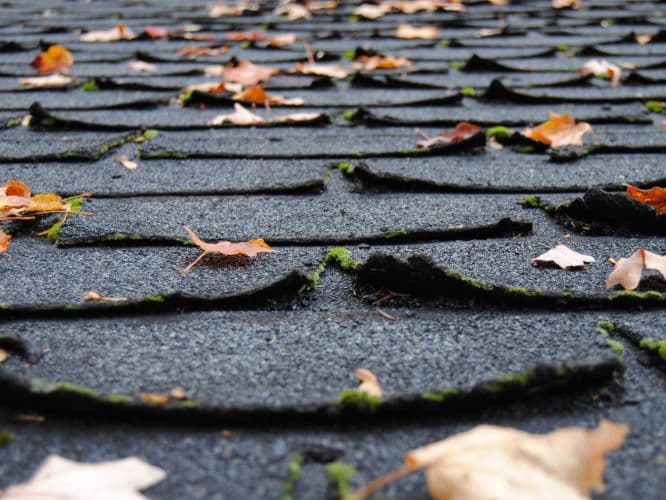
Damage can also be spotted from the ground level. If you come across misplaced shingles or other pieces that have been discarded from your chimney. Look specifically at the place where the roof meets the walls.
Raised shingle nails are another sign of serious damage. Obviously, if nails are loose, this will easily lead to future problems.
Damaged flashing is another major sign of roof damage. Flashing protects the most vulnerable areas of the roof, and thus, needs to be in tip-top shape to make sure everything is functioning correctly.
Dimples in your roof or siding are generally caused by strong winds or hail, look closely for these marks, as they could create holes or problems later.
If you need to survey the landscape further, which may include climbing up onto your roof, we’d suggest hiring professional roofers experienced in repairing residential roofs. Roofs are dangerous terrain and need to be carefully traversed by someone with experience.
How to deal with a wind-damaged roof

If you’ve noticed any of the above issues with your roof, then it’s time to take the steps to repair it. Again, we would definitely recommend turning to a trusted contractor and having them take on the job. Roof repairs are tedious and difficult. Of course, if you’ve done this sort of thing before, then we’d suggest doing the repairs as soon as possible.
Damaged shingles

Repairing damaged shingles will need to be addressed carefully. Prepare the area by locating each of the damaged or missing shingles. If you’re removing them, loosen the adhesive grip of shingles that are located two rows above the ones you plan on replacing. Lift the corners of these shingles and use a crowbar to remove the nail. Then repeat this step for the row directly above the shingles that need replacing.
Next, complete this same process for the shingles that you are actually planning to replace, except now physically remove the damaged shingles from their position. Now, add new shingles into the space where you’ve removed the damaged ones. Finally, reapply adhesive to the shingles in the two rows above the damaged ones.
For a more in-depth guide to repairing and replacing damaged shingles, check out our article on the subject: How to Lay Roof Shingles : 5 Steps.
Locate and patch leaks
If you’ve found leaks in your ceiling, then it’s likely you’ll need to locate and patch the holes that caused them. Start by removing the shingles in the spot where the potential leak is located, making sure these are the right shingles by looking for signs of water stains or rotting underlayment. Once you’ve found where the damage is, clear away shingles from this part of the roof following the steps we suggested above.
Do be certain to leave a few feet of space on each side where the leak is located. Assess the roof structure itself as well as the shingles you remove, deciding what needs replacement and what can be repaired. Next, seal off the hole or penetration in the roof so that water is no longer able to seep through. Finally, replace shingles or nail down any that have been raised in the process. Adhere shingles to the roof using nails as well as roofing cement.
Roof replacement
When repairs simply aren’t enough to deal with the damage that high winds can cause, you may need to consider replacing sections of or your entire roof. Installing a new roof will offer longer-lasting performance and durability. Of course, if you’re thinking about taking on this large job, we would suggest you hire a contractor for this project.
Hire a professional, making sure that they’ve worked in the field of roof repairs before and are not simply responding to a heavy wind storm that hit your neighbourhood. A pro contractor will be able to assist with the job and offer advice on materials to use to replace your current roof.
For more reasons why regular roof maintenance is essential, read this article: What happens if you don’t renovate your roof?
Get 3 quotes for your roofing renovation project
RenoQuotes.com can help you get quotes for your roofing renovation project. If you submit your project to us, we’ll put you in contact with 3 qualified professionals. Fill in the form on our homepage (it only takes a few minutes), and you will receive quotes from the best roofing companies.
Dial 1-844 828-1588 to speak with one of our customer service representatives.
Looking for something else?
Related articles
The latest industry news, interviews, technologies, and resources.

Editorial Team
•08 Nov 2023
Home renovations require time and energy for planning, preparing and executing. Leading up to your project, you’ll want to do some research about potential problems. Of course, there’s plenty of advice out there but as you’ll notice, a lot of it is contradictory.

Editorial Team
•08 Nov 2023
Outdoor columns on the facade of your home add an element of originality and allure. Whether used for your landscaping, porch or walkways, incorporating columns into your design can have a lasting appeal. However, since these columns are outdoors, they are exposed to various forms of weather damage. Therefore, it’s important to know how to care for your outdoor columns.

Christine Simard
•08 Nov 2023
You might have noticed a steady stream in paint colour trends in 2020 and 2021. Like we talked about in our article Design trend 2021: curves, shapes and squiggles, the past 2 years had their fair share of ups and downs, with a lot of us stuck at home, probably stuck staring at the same home decor.

Christine Simard
•08 Nov 2023
In the kitchen, it’s safe to say that messes and stains are quite common occurrences. If you’re anything like me, things tend to pile up or get misplaced and it’s hard to keep the place looking magazine-worthy 24/7.

Editorial Team
•08 Nov 2023
Many homeowners who wish to renovate their bathroom are currently considering the possibility of opting for a walk-in shower to modernize the space.