The Benefits of Installing a Heat Pump for Your Pool
By Editorial Team
Updated on March 11, 2026
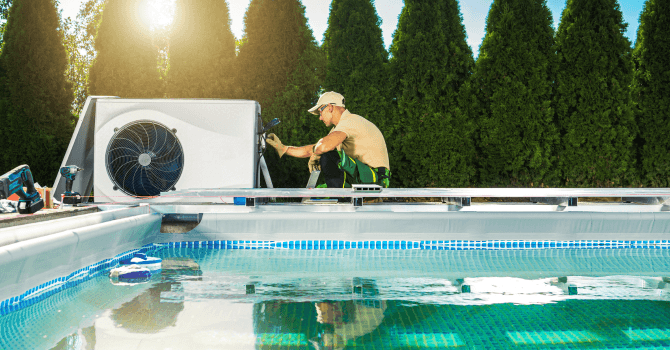
A pool heat pump is economical and particularly effective if installed properly.
To avoid any errors and fully benefit from this appealing technology, learn everything there is about its functioning, installation process, and retail price.
How does a pool heat pump work?
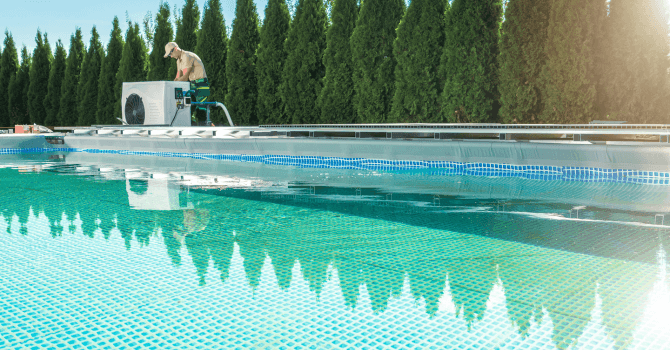
Source: Canva
When it comes to a pool, an air-to-water heat pump is used, which works with a double circuit. A refrigerant (fluid) travels through the first circuit and said fluid is typically a freon gas.
Said gas will clutch the heat found in the ambient air to then restore it to the liquid that must be heated. To do so, it’s compressed in the shape of burning steam that will then be channelled inside a shell-and-tube heat exchanger.
This is where both circuits meet. On one side, the burning freon will flow, and on the other, the cold pool water. The gas will swap with the pool water via heat transfer, while the cold water will liquify the freon.
This very heat exchange will allow the heat pump to warm up the pool water, but also restart the cycle courtesy of a refrigerant fluid that was liquified and transformed into burning gas.
Unlike a household heat pump ensuring overall interior comfort, a pool heat pump isn’t reversible. As such, it’s not fitted with a 4-way valve and the exterior fan functions constantly.
Furthermore, a pool heat pump is designed to withstand the chlorine found in the pool water. On account of this resistance, the heating system has a service life estimated between 12 and 15 years.
Can a pool heat pump work during the winter?
Negative on that since a heat pump draws in the heat from ambient air. As such, it can’t effectively work in all temperatures. Most pool heat pumps lose efficiency in temperatures below 10°C (50°F).
In Quebec, a pool heat pump will only ever be effective June through August, maybe a few days in May and September, if you’re lucky.
Therefore, if you want to go for a swim mid-winter, a heat pump is definitely not the best way to heat your pool water.
Installing a Pool Heat Pump
Source: Canva
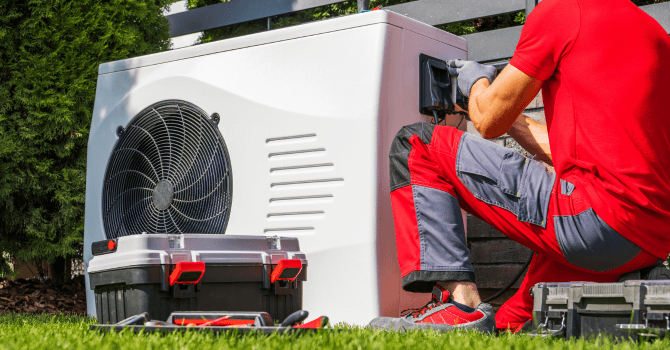
Installing a pool heat pump brings two questions to the forefront: Where’s the best spot to install it? And How do you go about it?
1) Where to install a pool heat pump?
Heat pumps must be installed between 3 and 7 metres away from the pool. Positioned less than 3 metres away, the heat pump can present a hazard for the pool, while more than 7 metres away, it loses efficiency.
2) How do you install a pool heat pump?
Most often, specialized installers will take care of installing your heat pump. However, you can always purchase a heat pump designed for a DIY installation. If so, you can carry out the installation yourself. The device’s installation manual will guide you through the process.
Also, no matter the model purchased, the unit must be cleared of all obstructions, therefore, allowing for specific clearance space around the pool heat pump.
2 feet (60 cm) in front of the evaporator coil
4 feet (120 cm) in front of other surfaces
4 feet (120 cm) in front of the fan
4 feet (120 cm) in front of the service panel
Bear in mind that installing a pool heat pump mandates electricity-related and plumbing knowledge. It’s also important to have the right tools and materials on hand to correctly carry out the installation. Hence the reason why installing a heat pump requires the skills of an industry specialist.
What is the best heat pump to heat pool water?
Source: Canva
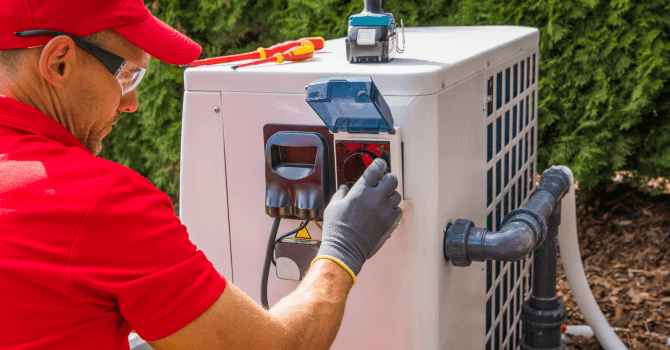
There are several quality pool heat pumps sold on the market. You can choose to prioritize Quebec-based companies or broaden your search perimeters to include all brands.
The Best Quebec-Made Pool Heat Pumps
The pool heat pump market in Quebec is spread across three brands:
Nirvana
TTI FAB
Solstice
Nirvana Pool Heat Pumps
In 2017, Nirvana, located in Trois-Rivière, received over $400,000 in government funding to develop high-end heat pumps fitted with a custom-made condenser.
As a result, the company chose to manufacture thermodynamic, energy-efficient heat pumps. Series FC55 and FC85 (55,000 and 85,000 BTU) from Nirvana, with noise-reducing fan impellers, are perfect if you have neighbours nearby on either side of your property.
TTI FAB
In 30 years, this company based out of Longueuil made its mark on the heat pump market. In 2020, the company’s industry success allowed it to invest 10 million dollars into a 65,000 sq. ft. distribution centre in Drummondville.
TTI FAB manufactures a wide range of pool heat pumps, and here are the five models:
Elite
Stratos
Oasis
Hybrid
Ecolo
Who makes the Solstice heat pump?
That would be Be Well Canada Spa, out of Lachute, in the Laurentides region in Quebec. It represents about 60 million dollars in revenue and 400 employees. The company opened its doors in 2012 in Saint-Lin–Laurentides, then moved to Lachute to reduce its employees' commute.
While hot tubs are the company's leading product, it also specializes in all things pool-related, with quality heat pumps sold worldwide courtesy of these three models:
50,000 BTU
65,000 BTU
85,000 BTU
International Brands
Mitsubishi Electric and Daikin are leaders based on consumer surveys. Both brands are very reliable and have very few irreparable breakages registered to their names, offering a customer satisfaction rating of over 95%.
Japanese brands are solid choices when it comes to pool heat pumps. The only hitch is that there are no manufacturing plants in Quebec.
How much does a pool heat pump cost?
Heat Capacity | Solstice (3 models) | TTI FAB (Ecolo) | Nirvana (FC55 model) |
50,000 - 55,000 BTU | $1,200 - $1,600 | $1,200 - $1,700 | $1,300 - $2,000 |
65,000 - 70,000 BTU | $1,700 - $1,900 | $1,900 - $2,600 | $1,900 - $2,600 |
80,000 - 85,000 BTU | $2,300 - $2,800 | $2,000 - $2,600 | $2,000 - $2,600 |
The heat capacity of the TTI FAB’s Ecolo brand heat pump can reach 140,000 BTU, coupled with a price tag between $5,000 to $7,600.
The leading brands mentioned above are all sold in Club Piscine Super Fitness retail locations.
Get 3 quotes for your pool heat pump installation project
RenoQuotes.com can help you get quotes for your air forced-air heating system project. When you submit your project, we’ll then put you in contact with top-rated contractors. Fill in the form on the homepage (it only takes a few minutes) and get estimates from trusted professionals.
Dial 1-844 828-1588 to speak with one of our customer service representatives.
Looking for something else?
Related articles
The latest industry news, interviews, technologies, and resources.
Editorial Team
•05 Sep 2024
Reinforcing your home’s security to prevent burglary attempts is essential. But, where to start? Front doors are often considered key access points. Therefore, we’ll focus on said vital component. Which security systems are the most effective for deterring would-be burglars? This article highlights different ways to protect your home and its occupants. While the options listed don’t exhaust all possible solutions, consulting a professional locksmith will help guide you in the right direction based on your needs and budget.

Editorial Team
•08 Nov 2023
Concrete is one of the most common construction materials on the planet. Up until the end of the 1900s, it was bestowed with numerous qualities, but none were that of luminosity…
Editorial Team
•22 May 2025
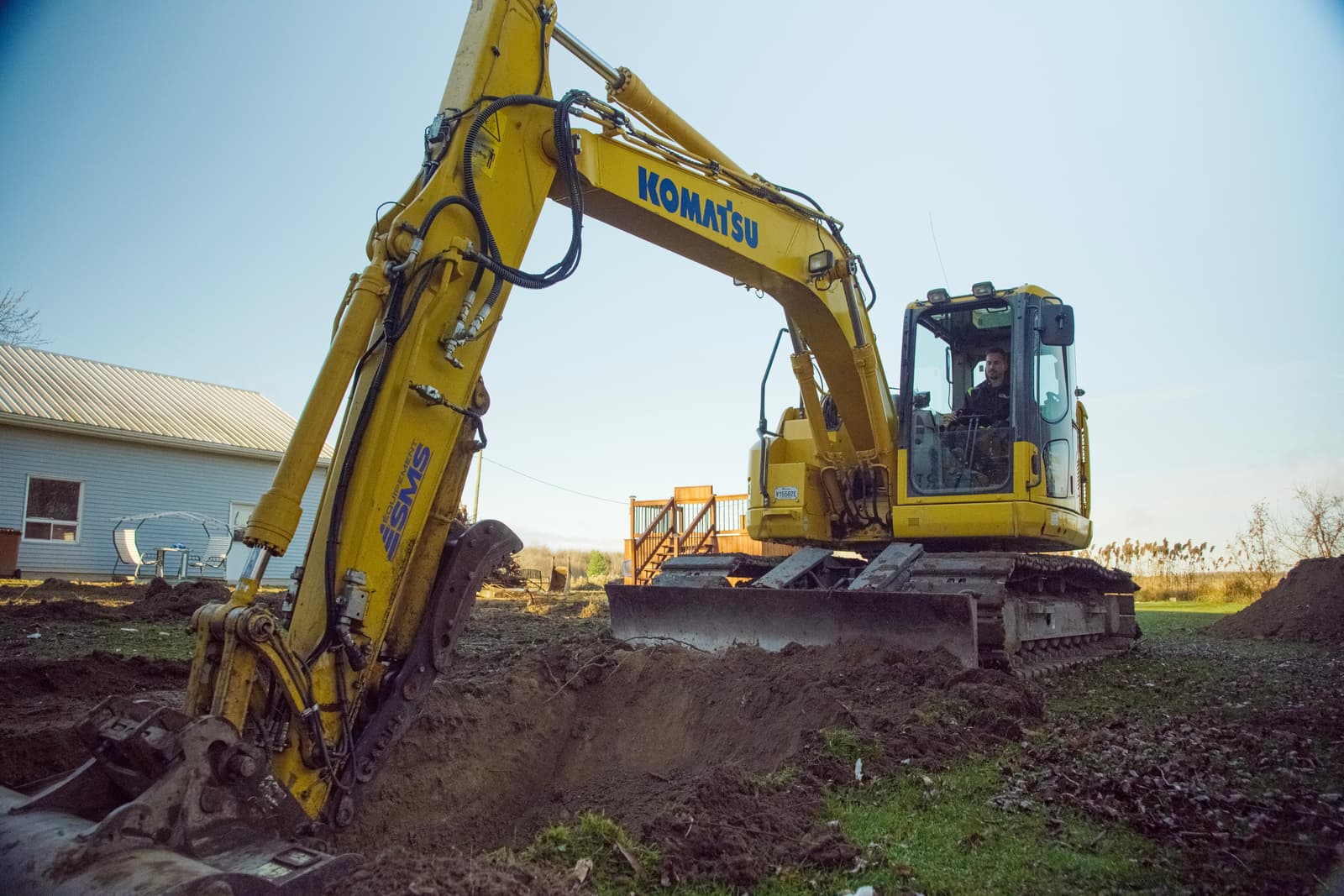
Clay, sandy, silty, till, and organic soils—foundation excavation conditions are particularly diverse in Quebec. However, clay soils cover most of the inhabited territory of the province. Therefore, there’s a high chance you’ll be digging your house’s foundations in clay. Here’s everything you need to know to build a solid foundation wall in this capricious soil.

Cynthia Pigeon
•09 Sep 2026
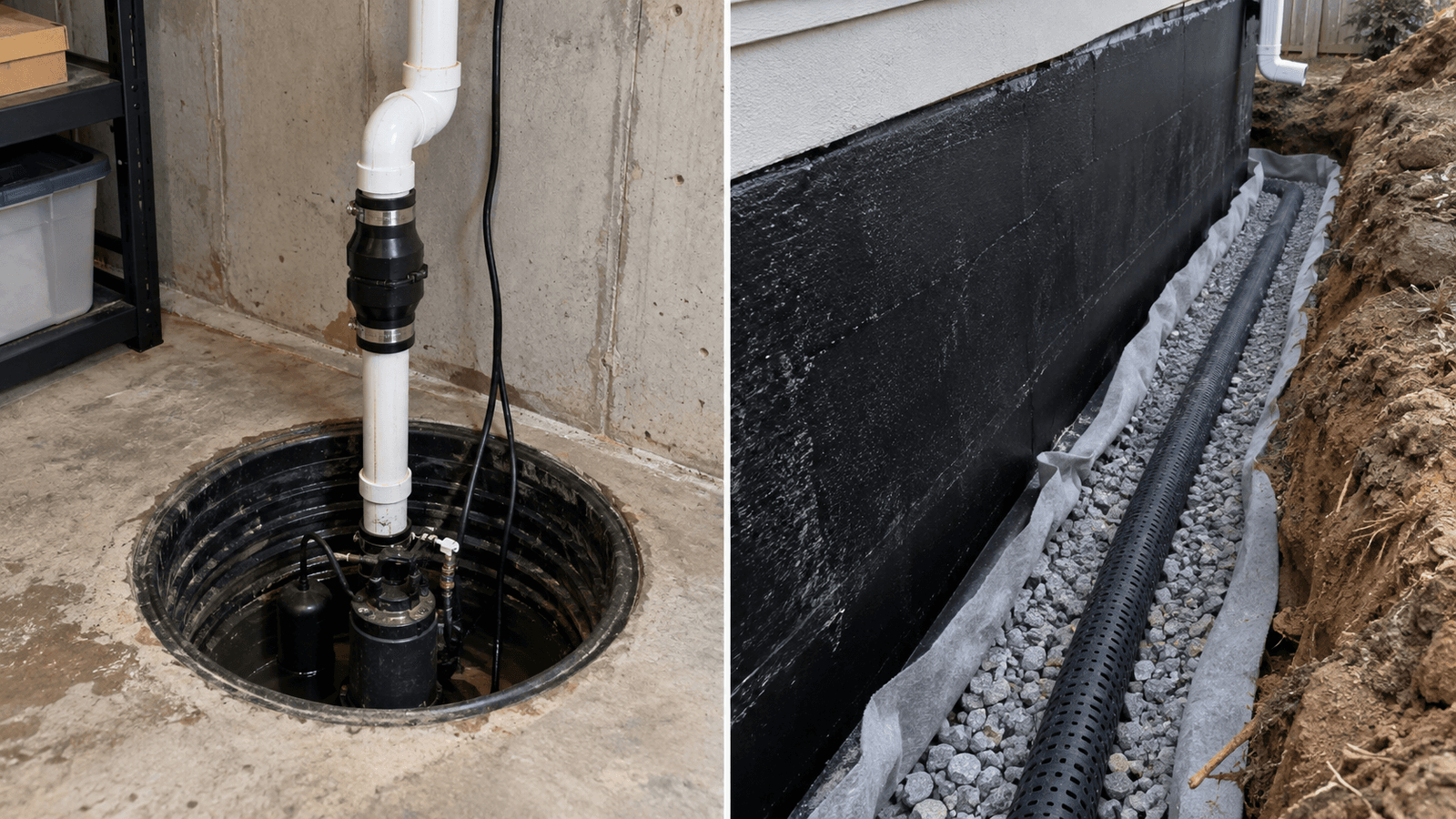
In Quebec, basement water infiltration is the most common type of residential insurance claim. According to the Insurance Bureau of Canada, water damage accounted for 68% of home insurance claims paid in Quebec in 2024. Harsh winters, major spring thaws, and heavy summer rainfall place considerable hydrostatic pressure on the below-grade portions of our homes.