
When it comes to saving the environment, there are plenty of ways that you can contribute. Especially as a homeowner, you should consider the multitude of methods you can adopt to reduce your carbon footprint and create a healthier home and outdoor environment.
Eco-friendly landscaping, also known as green landscaping, is a landscaping method in place to nurture wildlife while reducing pollution and energy consumption.
Reworking your outdoor space and following a few tips to compile with a layout that works in Mother Nature's favour is easy and will involve minimal maintenance following. Not only will your front lawn and backyard look beautiful, but you’ll be caring for the environment while increasing your home's curb appeal. Read on to find out about ways to work on landscaping that will reduce your environmental footprint.
Take on these eco-friendly landscaping projects!
1) Incorporate native plants into your region
Source: Canva
First things first, when it comes to landscaping for your region you should choose plants that are native to the area. Native plants are naturally adapted to your surroundings, and in turn, will require less water and less maintenance than those which have not yet adapted to the climate.
Further, plants that are native to your area are more resistant to pests and diseases, whereas an exotic plant will have a difficult time staying alive and keeping away bugs and pests. Also, using native plants will attract the right type of wildlife and insects to your region. Incorporating native plants into your landscaping is an excellent way to give back to the ecological system.
2) Plant shade trees to reduce energy use

Source: Canva
Not only does planting a tree add to the natural beauty and curb appeal of your home, but it also helps to greatly reduce energy costs. Reducing your energy costs is an excellent way to reduce your carbon footprint. This is especially true of deciduous trees which cool your home during summer and allow for warmth during winter. When these trees drop their leaves in the winter, they allow sunlight to pour through the branches and thus heat your home during colder months.
Planting these trees in specific spots around your home will maximize their effectiveness. Try planting taller trees around the east and west-facing sides of your home to shade your home during the summer months.
If you plant trees on the south side, this can help to shade the roof of your home. Furthermore, you must determine the dominant wind direction for the placement of your home, and you can add coniferous trees to this area. Planting trees to create windbreaks is common and will reduce chilly winter winds that work to increase heating costs during winter months.
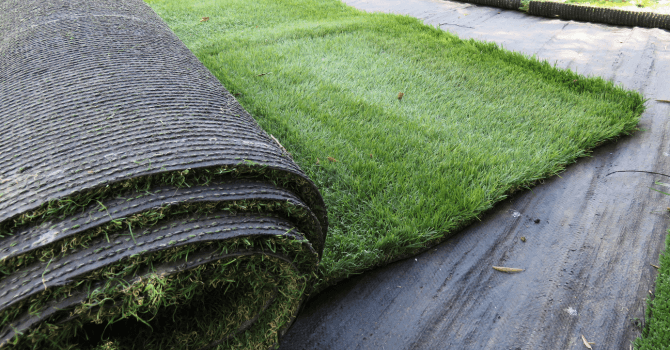
3) Consider synthetic turf
Source: Canva
Grass is a natural and beautiful lawn element, but unfortunately, it requires an excessive amount of water to stay alive and well. An excellent way to save money on energy as well as save water is to invest in synthetic turf for sections of your yard. Synthetic turf is often designed to mimic the look of grass, so you won't have to sacrifice aesthetics. If you are completely against using a synthetic material in place of natural grass, consider reducing the scope of your lawn and adding a rock garden for an eco-friendlier landscaping design.
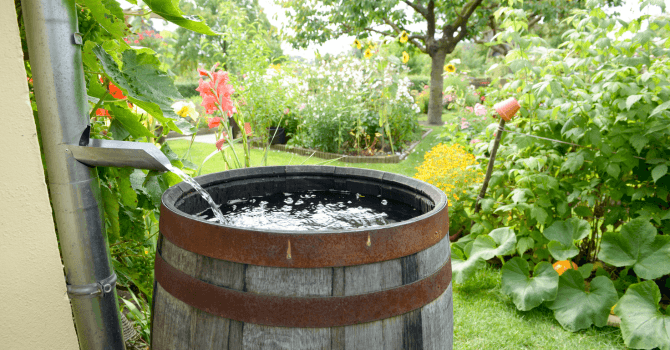
4) Incorporate rain barrels
Source: Canva
Storing water in rain barrels is another excellent way to reduce costs and save water. Rainwater that you saved can be used to irrigate your garden and landscaping. Rainwater is naturally soft and chemical-free and is therefore excellent for your plants.
Further, harnessing this rainwater is another way to reduce stormwater runoff. This is also beneficial if your area has a drought and you’re lacking in natural water to feed to your landscaping and lawn. Just be careful, however, to use the water in order for it not to become stagnant, as this can be dangerous for pets and can also foster the presence of insects.
5) Compost

Source: Canva
Composting is an excellent way to feed your landscaping and lawn, keeping it healthy as well as aiding in the naturally occurring process. Organic nutrients from organic waste will help to return much-needed nutrients back to the soil. Consider using things like fruit and their peels, leaves, grass clippings and other organic products to your compost.
Simply mix it into your garden soil, and it will work to improve soil moisture retention while boosting the longevity of your plants. Further, using natural composts will reduce the need for chemical and often harmful fertilizers.
To see examples of landscaping and exterior renovation projects completed by RenoQuotes.com contractors, check out "10 examples of landscaping projects".
Get 3 renovation quotes for your eco-friendly landscaping project
RenoQuotes.com can help you get quotes for your eco-friendly landscaping project. If you submit your project to us, we’ll put you in contact with top-rated contractors. Fill in the form on the homepage (it only takes a few minutes), and you will receive quotes from companies that are specialized in home renovations.
Dial 1-844 828-1588 to speak with one of our customer service representatives
Looking for something else?
Related articles
The latest industry news, interviews, technologies, and resources.
Cynthia Pigeon
•05 Dec 2025
Have you ever just taken a minute to look outside and admire the cityscape? Keeping an eye on your kids while they play outside or simply noticing the fresh layer of snow that has covered the streets overnight?

Léa Plourde-Archer
•25 Aug 2026
Gutter installation in Canada typically costs $3 to $15 per linear foot installed for most materials, which works out to roughly $600 to $3,000 for an average home. Whether you're replacing old eavestroughs, installing gutters on a new home, or comparing quotes from local professionals, knowing the key cost factors can help you budget more effectively.

Editorial Team
•08 Nov 2023
A condo renovation is a serious undertaking; it involves plenty of steps including careful preparation and planning. Since you’re dealing with a tight space, likely sandwiched in between neighbours, any renovation in your condo will need to take others into consideration.

Christine Simard
•08 Nov 2023
Nowadays, more and more people leave their comfort zone to tackle the adventure of remodelling or renovating their living spaces to convert them into open spaces or loft-style apartments. Also, for fans of the authentic loft lifestyle, it's always possible to buy a space in an old industrial building and transform it in order to have a beautiful and trendy loft as a final result.
Editorial Team
•08 Nov 2023
Wood varnishes are in place to protect the natural textures and colour of the hardwood while adding an additional attractive shine and finish. However, it is only natural for your hardwood floor varnish to wear over time, as floors come up against constant movement leading to the potential for scuffing and stains. Of course, a hardwood floor can easily be re-stained with a little bit of time and a fair amount of elbow grease.