How to Repair Damaged Mortar Joints
By Léa Plourde-Archer
Updated on November 8, 2023
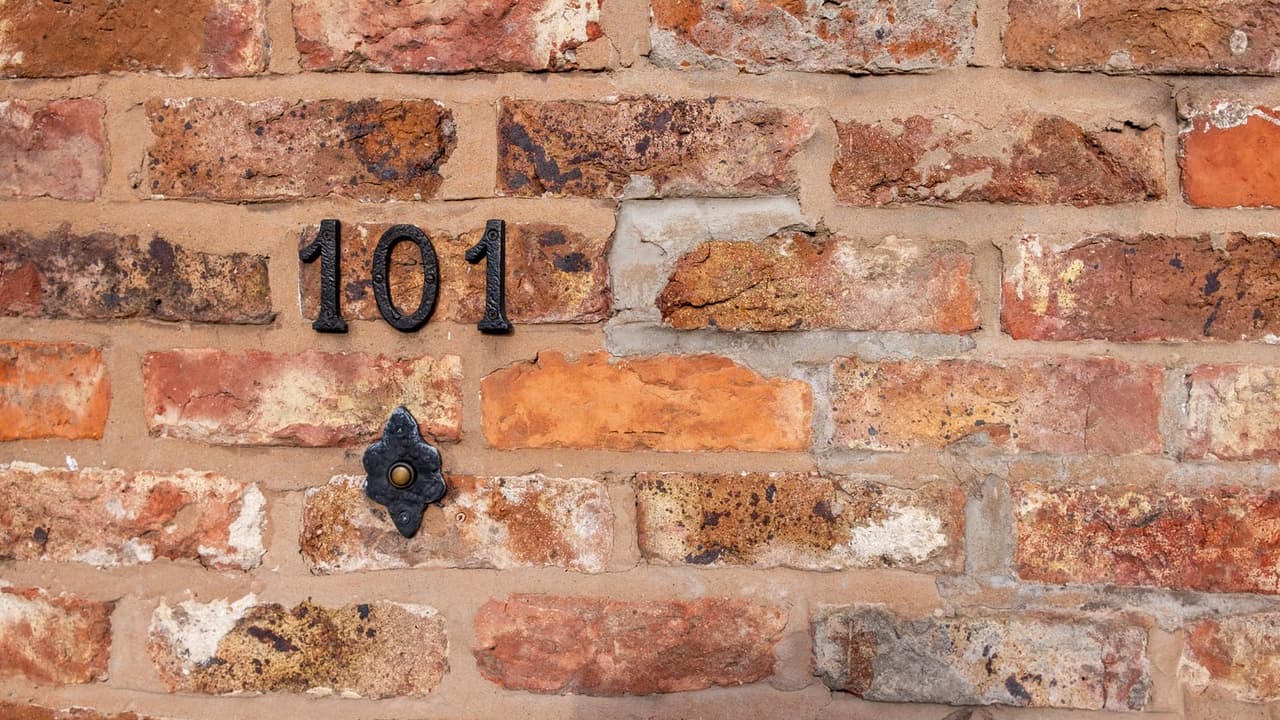
Brick is a durable material. However, brick joints have a tendency to deteriorate much more rapidly. Over time, the mortar that is used to make the joints will start chipping, thus affecting the water tightness of the surface.
It is very important to fix damaged joints before you start facing bigger problems like water ingress.
Here are a few tips on how to fix mortar joints:
First step: diagnosing the problem. If the mortar joints are highly damaged, they will have to be redone completely. Any superficial repairs would only push the problem back to a later date. However, if the cracks are still relatively small, you can fix the situation rapidly by applying a small coat of mortar.
Equipment needed to fix mortar joints
To repair mortar joints, you will need the following tools and equipment :
Mortar (a special mortar product created specifically to redo joints is available on the market; ask hardware store employees to guide you towards the right product)
Gloves
Safety glasses
Scraper
Chisel
Hammer
Trowel
Rigid brush or paintbrush
Water (garden hose or filled-up bucket)
Fixing mortar joints is a dirty job
Mortar creates a lot of dust and dirt, therefore it is recommended that you wear safety glasses and gloves when handling the product. If you have breathing problems, you should also wear a mask.
Before you get on with the work, make sure that the weather conditions are ideal. If completing the task during the winter, you will have to employ a protective measure to ensure that the mortar does not freeze before having completed its drying period.
In the summer, high temperatures could also cause problems with the process, as the mortar will have a tendency to dry too quickly. To avoid new cracks forming, the surface must be protected from both the sun and the heat.
During the drying period, the surface should also be protected from wind and rain.

Steps to follow to fix mortar joints
Before you start applying the new mortar, you’ll have to meticulously remove any trace of damaged mortar. When you start digging with the hammer and the chisel, be very careful not to damage the bricks. According to the Heritage and Quality renovation guide, if you see that more than half the mortar is crumbling, it’s better to remove the bricks in order to redo the full mortar bed.
Using a brush and a small amount of water, try to remove all remaining residue in the empty joints. Afterwards, wet the section on which you will be working. Mix the mortar with a trowel until smooth.
Still using the trowel, gradually spread several thin coats of mortar; letting the product dry between each coat (the drying process is very quick). Keep going until you’ve filled the joint.
Once the mortar has dried and is hard enough, you can create a nice finish for the joint by adding a bit of mortar on the surface and pressing down with your trowel. Damaged brick walls can lead to severe problems.
Brick joints hold an important role in ensuring the wall’s water tightness and they also help the wall keep its structure. If the damage is too extensive, the wall could collapse. That’s why it’s so important to repair brick joints when they show signs of wear and tear.
Recap table of the steps to repair mortar joints between bricks
Here are a few other articles about masonry that could be useful for you:
Get 3 renovation quotes for your masonry renovation project
RenoQuotes.com will put you in contact with 3 reliable contractors for your masonry renovation project. Fill out the form on our homepage (it only takes a few minutes), and you will receive quotes from trusted professionals.
Dial 1-844 828-1588 to speak with one of our customer service representatives
Looking for something else?
Related articles
The latest industry news, interviews, technologies, and resources.

Editorial Team
•24 Sep 2024
Do you live in a rural area or have a summer home that isn't connected to a local water system? If so, you probably have a functioning septic system. How can you make sure your conventional on-site disposal system is working properly? What are the best practices to uphold to extend the service life of your sanitary installation and prevent damages? The key to a system's longevity is understanding its inner workings, whether your property is equipped with a conventional or non-conventional system.

Editorial Team
•03 Nov 2025
Your personality can truly shine by way of your home’s architectural details. As you've likely noticed, there are plenty of different style choices and preferences out there.

Karine Dutemple
•08 Nov 2023
Naturally, one welcomes spring with open arms after such a harsh winter. If this magnificent season brings with reason its share of small pleasures, it also brings with it many essential tasks to accomplish to prepare your backyard well for the arrival of warm weather. Learn how to proceed with your backyard spring cleaning.

Editorial Team
•16 Oct 2026
For many homeowners, finding a reliable contractor is one of the most important steps in a renovation project. It can be tempting to choose the first contractor available, but taking the time to compare several options can lessen the risk of unpleasant surprises.

Editorial Team
•12 Feb 2026
If you’re stuck on “renovate or move,” you’re not alone. For many Canadian homeowners, the choice comes down to both numbers and real life: what you can afford, what your home is worth, what the market is doing, and how much disruption your household can handle.