Converting a Garage Into a Legal Dwelling in Quebec: A Complete Guide
By Cynthia Pigeon
Updated on June 22, 2026
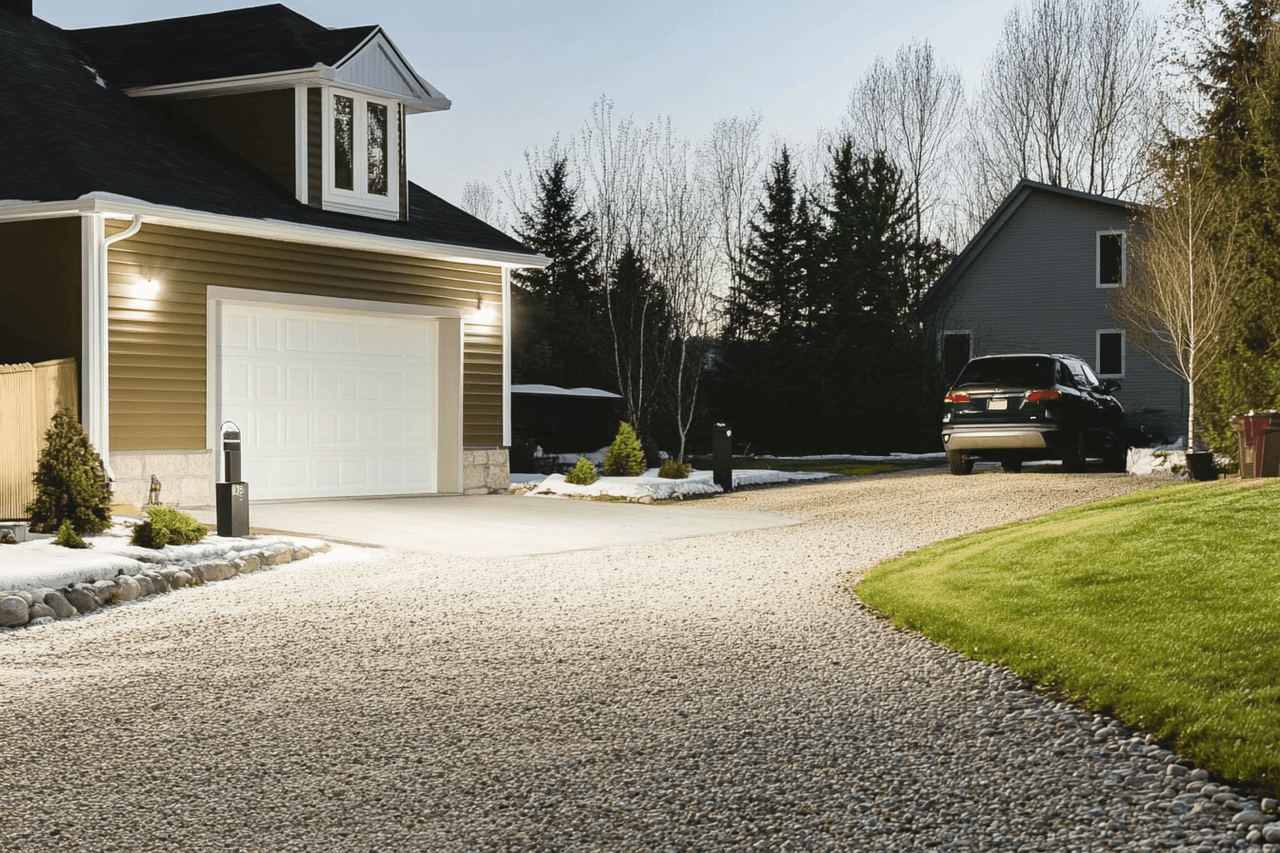
With housing shortages and the steady rise in real estate costs across Quebec, many homeowners are looking for creative ways to make better use of the space they already have. Converting a garage into a habitable space is an increasingly popular option. Whether the goal is to welcome an aging parent as part of an intergenerational housing project, provide more independence to a young adult, or generate additional rental income, this type of conversion offers clear advantages.
However, turning a cold, damp car shelter into a comfortable, safe, and fully legal apartment is not something that can be improvised. Between varying municipal regulations, the technical requirements of the Régie du bâtiment du Québec, and potential tax implications, the process involves several essential administrative steps. This practical guide walks you through the key stages of a successful garage conversion project so you can avoid unpleasant surprises.
What Is an Accessory Dwelling Unit (ADU) in Quebec?
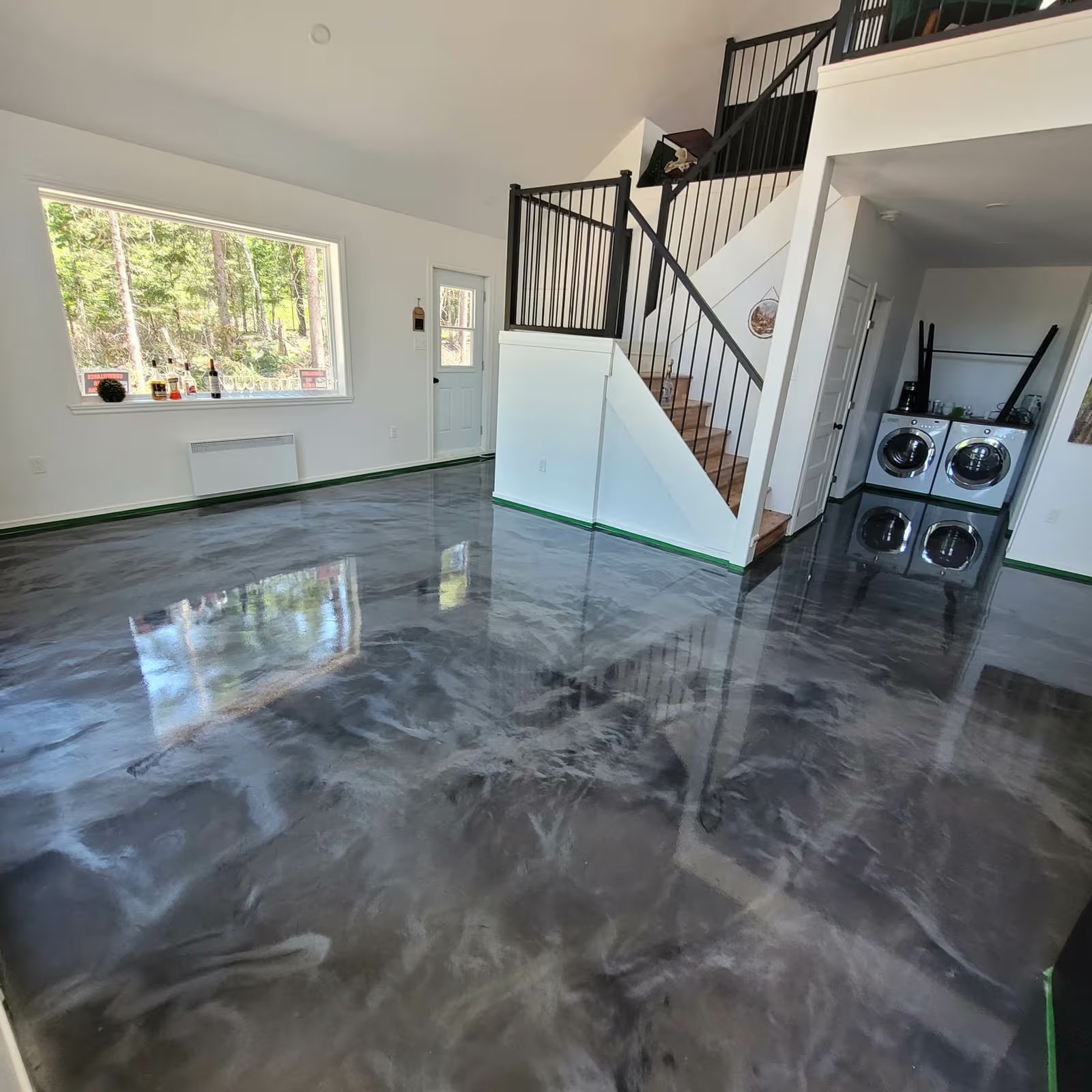
Source: Maison Epoxy Inc
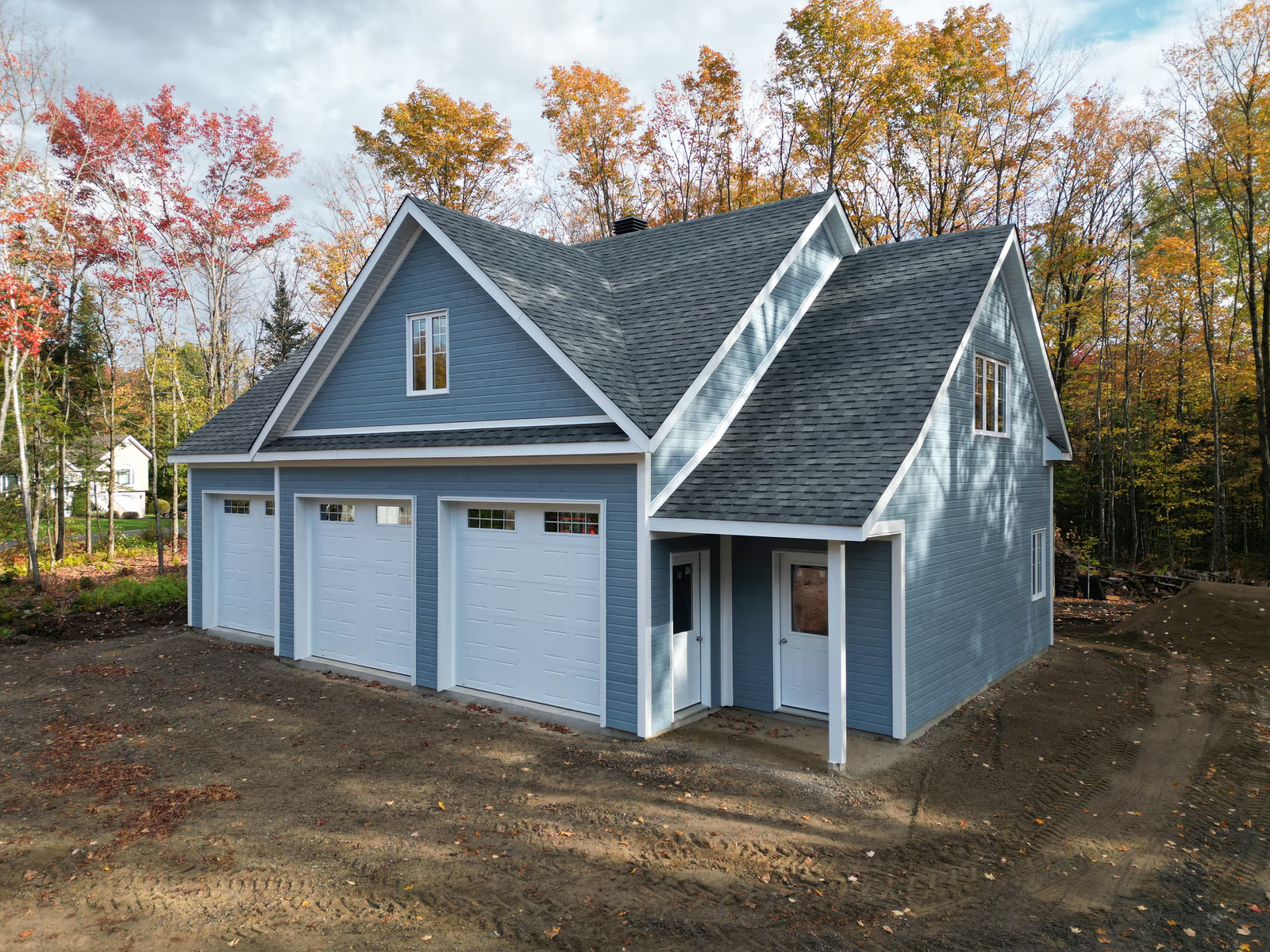
Depending on the municipality, an accessory dwelling unit (ADU) may also be referred to as an additional dwelling unit, accessory apartment, secondary suite, additional housing unit, or garden suite. It generally refers to an autonomous residential unit, smaller than the main dwelling, located on the same lot. It can take the form of a garden pavilion or tiny home, an addition above a building, or, as in this case, the conversion of an existing space such as an attached or detached garage.
In Quebec’s current real estate context, the ADU has become a flexible response to the housing crisis and the changing needs of families. For investors and owner-occupants, adding this type of unit can help:
Significantly increase the overall market value of the residential property.
Create an optimized living space without building on undeveloped land through gentle densification.
Generate stable rental income that can help offset part of the mortgage payments.
For the space to qualify as a legal ADU, it must have its own basic amenities, independent from the main house: a functional kitchen, a full bathroom, a bedroom or sleeping area, and a secure, separate entrance.
The First Step: Municipal Regulations and Zoning
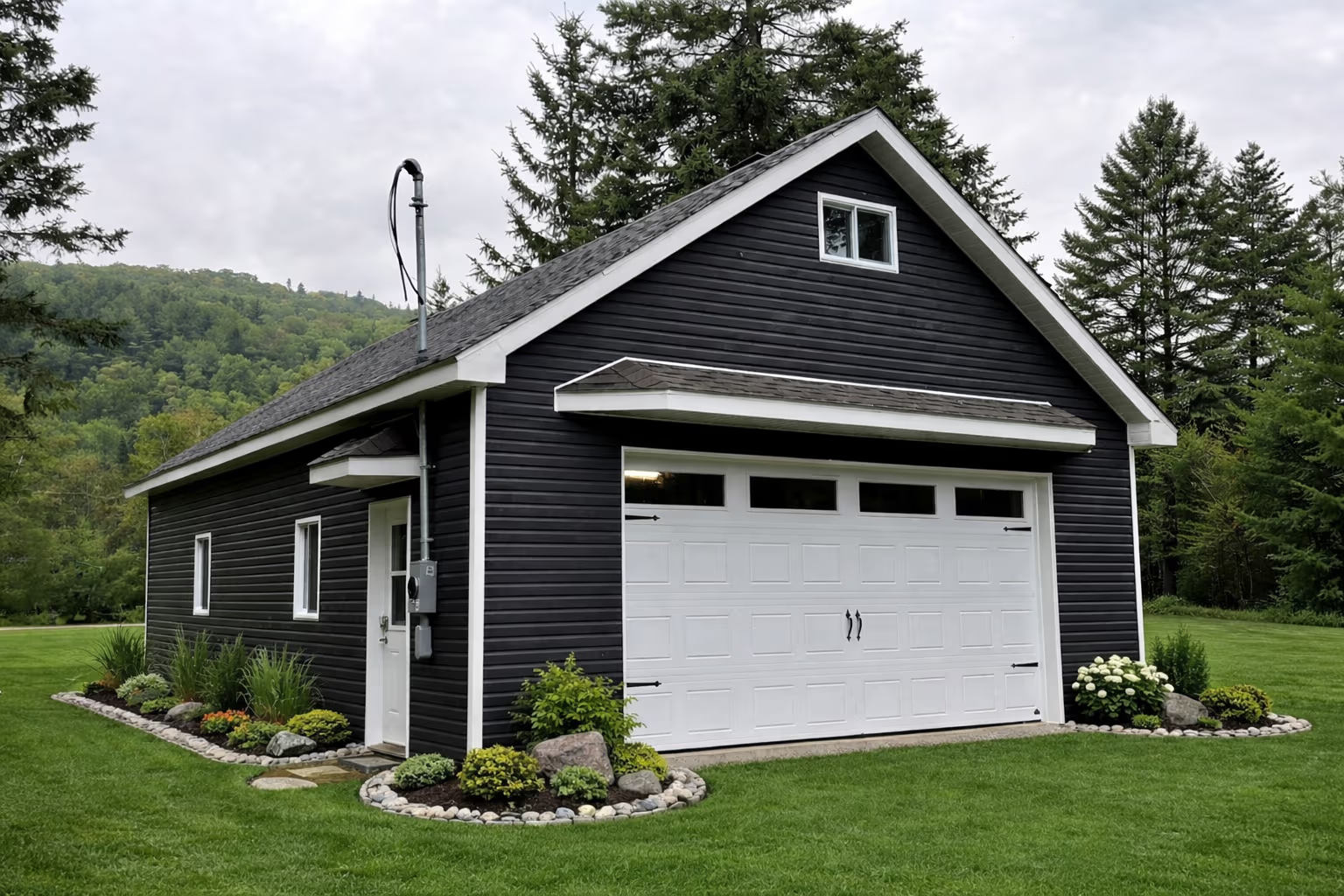
Source: Innovation 3G Inc.
Before buying any materials or removing your garage door over the weekend, your first step should be to contact your municipality. The right to build a second dwelling is never automatic in Quebec.
A City-by-City Approach
There is no uniform municipal rule that applies to ADUs everywhere in Quebec. Zoning, authorized uses, and development conditions vary from one municipality to another, even though the work must also comply with applicable provincial standards. Each city, and sometimes even each borough within a major urban area, has its own zoning framework.
Montréal: Regulations vary drastically from one borough to another. Some areas allow the creation of accessory dwellings under strict conditions, while others limit the conversion of façades visible from the street in order to preserve the historic character or architectural uniformity of the neighbourhood.
Québec City, Sherbrooke, and Gatineau: Several municipalities, including Québec City and Sherbrooke, now regulate additional dwelling units or accessory dwelling units through their bylaws, but the conditions vary depending on the type of building, the area, and the applicable zoning.
Visual Appearance and Parking Challenge
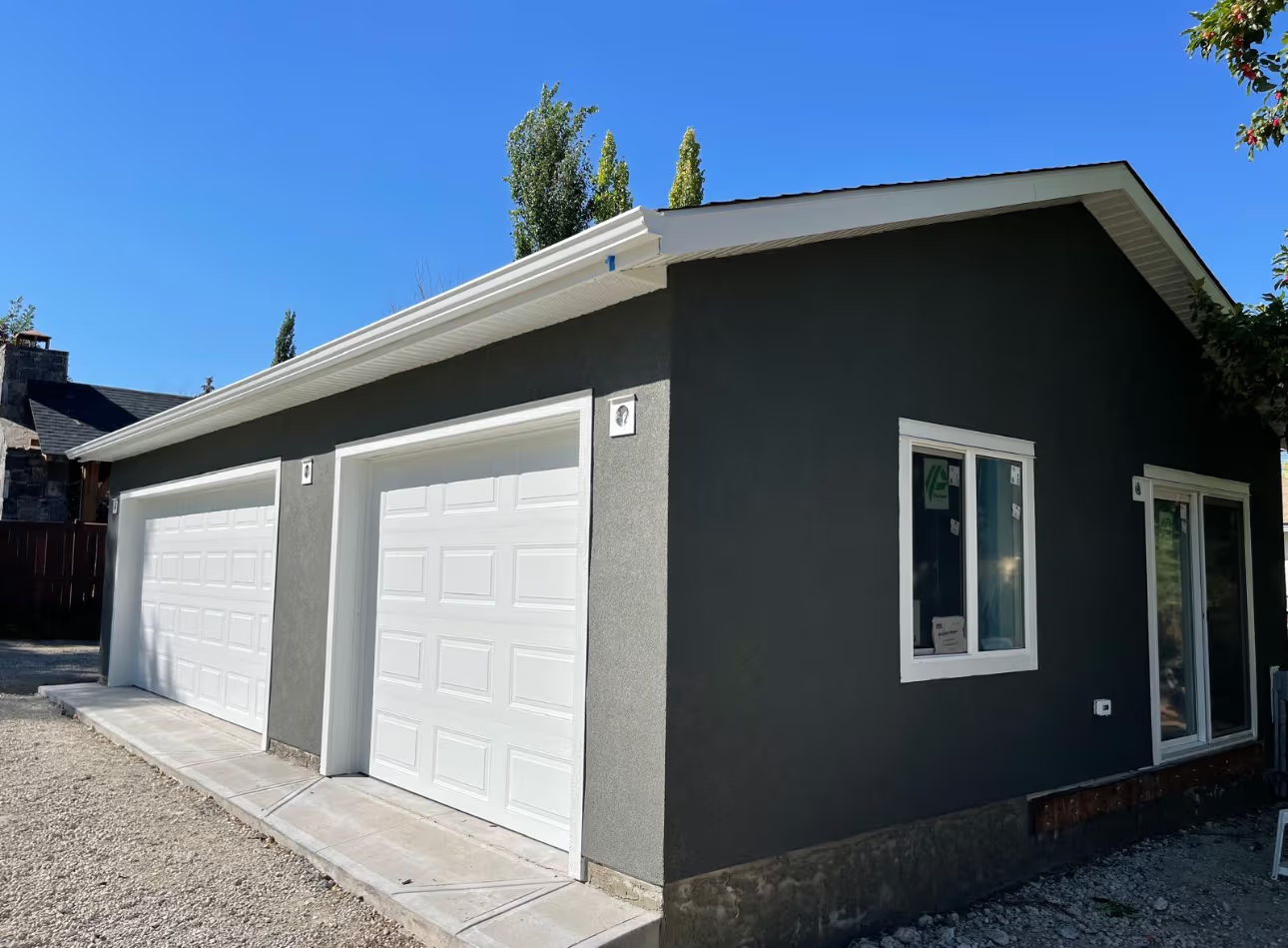
Source: Stuccopro Ab Inc
Municipal zoning rules often pay close attention to the visual impact of your project. Replacing a garage door with a standard wall and windows must be done in a way that harmonizes with the home’s existing exterior cladding. Vehicle management is also a key issue: many municipalities require a minimum number of off-street parking spaces to be maintained on the property. By eliminating the garage, you lose an indoor parking space, so you may need to prove to the urban planning department that your driveway can accommodate the vehicles for both the main dwelling and the new unit.
Building Permits and Change of Use
To change the purpose of a building, from a vehicle storage space to a residential living space, you must obtain a modification permit, along with approval for a change of use.
To submit a solid application to your urban planning department, you will generally need to provide the following documents:
An up-to-date certificate of location: Prepared by a land surveyor, this document shows the exact location of the property and confirms compliance with setback requirements in relation to your lot lines.
Detailed architectural plans: Ideally prepared by an architectural technologist or architect, these plans show the room layout, the exact location of emergency exits, window dimensions, and insulation details.
A plumbing and electrical plan: This helps validate the feasibility of connections to municipal services or to your current septic system, including the septic tank and leaching field.
RBQ Standards for a Compliant Dwelling
Once you have received approval from the municipality, the project must meet the safety requirements of the building code overseen by the Régie du bâtiment du Québec. A garage was not originally designed to house people, so fire safety, structural strength, and sanitary standards are especially important.
The Need for Licensed Professionals
In Quebec, work entrusted to contractors must be carried out by holders of the appropriate licences. Plumbing, electrical, structural, ventilation, and heating work must be validated according to the applicable licence subclasses, and it is strongly recommended that a garage-to-dwelling conversion be handled by licensed professionals. In practice, it is strongly recommended to work with a general contractor who holds the appropriate RBQ licence, or with specialized licensed contractors for each trade involved.
Plumbing: Garages are built on a rough concrete slab that is rarely excavated for drains. Installing a toilet, shower, and kitchen sink requires breaking the concrete with a jackhammer, digging trenches, installing drainage pipes with the proper slope, and then pouring a new section of slab. This work must be carried out by a master plumber who is a member of the CMMTQ.
Electrical: The electrical installation for the new dwelling must meet the requirements of the Quebec Construction Code, Chapter V – Electricity, as well as any applicable connection conditions if changes to the electrical service entrance, panel, or metering are required. Installing a secondary electrical panel or an independent meter requires the expertise of a master electrician who is a member of the CMEQ.
Fire Safety and Emergency Exits (Egress)
If your garage is attached to the main house, regulations require a sealed fire-rated wall between the two dwelling units to help slow the spread of flames and toxic smoke in the event of a fire. In addition, each bedroom in the ADU must have at least one window that meets emergency egress standards. The minimum clear opening of this window must allow an adult or an equipped firefighter to pass through easily.
Regulatory Element | Minimum Building Code Requirement | Required Professional |
Ceiling Height | The minimum height varies depending on the type of room, the existing building, and municipal requirements; a threshold of around 2.0 m to 2.1 m may apply depending on the context | General contractor |
Bedroom Windows | Minimum clear opening of 0.35 m² (3.8 sq. ft.), with no dimension less than 380 mm | General contractor |
Electrical Connection | Compliance with electrical load safety standards and proper connection requirements | Master electrician (CMEQ) |
Plumbing System | Backwater valve required when the applicable regulations or network configuration call for it, with proper stack venting | Master plumber (CMMTQ) |
To properly plan these major interventions and assess labour costs, you can begin researching renovation contractors or requesting renovation quotes to obtain estimates from experienced professionals in your area.
Insulation and Heating: Preparing for Quebec Winters
Quebec’s climate comes with its own set of requirements. Between the intense January cold, which can reach -30°C, and high summer humidity, insulating a converted garage requires careful attention to ensure occupant comfort and prevent mould problems.
1. Insulating the Concrete Slab
A standard garage slab is poured directly on the ground without insulation underneath. It acts as a major thermal bridge, transferring the cold from the ground into the interior. To correct this, an airtight vapour barrier must be installed, followed by high-density extruded polystyrene rigid insulation panels, before installing a plywood subfloor or pouring a self-levelling concrete topping.
2. Exterior Walls and Ceiling
Garage walls are often built with thinner framing than those of a standard house. To reach the thermal resistance value, or R-value, required by the Construction Code, closed-cell spray polyurethane foam is strongly recommended. This material offers excellent insulation performance per inch of thickness while effectively sealing air leaks and acting as an efficient air barrier and vapour barrier.
3. Choosing the Heating System
Forget portable heaters. The new dwelling must have a fixed, permanent, and efficient heating system. Installing a wall-mounted heat pump, also known as a mini-split, is one of the most efficient and cost-effective options in Quebec. It provides energy-efficient heating during the cold season and offers much-needed air conditioning during summer heat waves. Supplemental electric baseboards can be added under the windows for extremely cold days.
To achieve a high-performance building envelope that will reduce your energy bills over the long term, consider requesting an insulation quote from a certified expert to choose the best materials for your garage structure.
Financing, Grants, and Project Profitability
Source: 9428-3355 Québec inc.
Creating an ADU is a significant financial investment. Depending on the initial condition of the garage, whether the slab needs to be broken for plumbing, and the choice of finishing materials, the overall budget can easily reach several tens of thousands of dollars and may sometimes exceed $150,000.
Available Assistance Programs and Grants
Fortunately, to help address the housing crisis, several financial incentives have been introduced in Quebec:
Multigenerational Home Renovation Tax Credit (Federal): This credit can reach $7,250 for Quebec residents, equal to 14.5% of a maximum of $50,000 in eligible expenses, subject to CRA criteria for the construction of a secondary unit intended for a relative over 65 or a person with a disability.
Local municipal grants: Some cities offer direct financial assistance programs or temporary tax holidays to encourage the creation of accessory dwellings within their territory. Contact your local urban planning office during the permit research stage.
Tax Impacts to Keep in Mind
Creating a new address or additional habitable space will change your municipality’s property assessment. You should expect a proportional increase in your municipal and school taxes.
In addition, if you rent the unit to a third party for profit, the portion of the property dedicated to the ADU changes tax status. Under Revenu Québec rules, this could affect the resale of the property, since that portion may no longer be fully covered by the principal residence capital gains exemption. It is strongly recommended that you consult an accountant or tax specialist before starting the conversion work.
To get a clear idea of the financial scope and plan all the trades required, you can assess the overall cost of structural renovations in order to build a realistic and solid financing plan.
Looking for something else?
Related articles
The latest industry news, interviews, technologies, and resources.
Cynthia Pigeon
•06 Aug 2026
Expanding a single-family home to bring more natural light into its living spaces is a dream for many Canadian homeowners. With our bright summers and long winters, maximizing sunlight can provide an invaluable sense of well-being. However, when it is time to move forward with an addition, one fundamental question arises: should you choose a three-season sunroom or invest in a four-season sunroom?

Editorial Team
•07 May 2025
When it comes to the inside of our home, we should always be looking for a way to make it as comfortable as possible. If we’re discussing air quality, it’s important to be aware that the quality of what we’re breathing in is essential for maintaining good health. In a nutshell, bad air quality is going to affect how we look, think and feel.

Cynthia Pigeon
•08 Nov 2023
Roofing underlayment isn’t a luxury. It’s the one element that guarantees a decent and weather-protected structural design.
Cynthia Pigeon
•30 Sep 2026
Proper home ventilation is essential for maintaining healthy indoor air quality. While both heat recovery ventilators and energy recovery ventilators are available, understanding their advantages and disadvantages will help you make an informed decision.
Cynthia Pigeon
•29 Feb 2024
By adding a bit of greenery to your roof, you’re allowing nature to take back its course, to return where it was once unwelcomed.