Cost of a Modular Home Addition in Quebec: Complete Guide
By Cynthia Pigeon
Updated on June 25, 2026
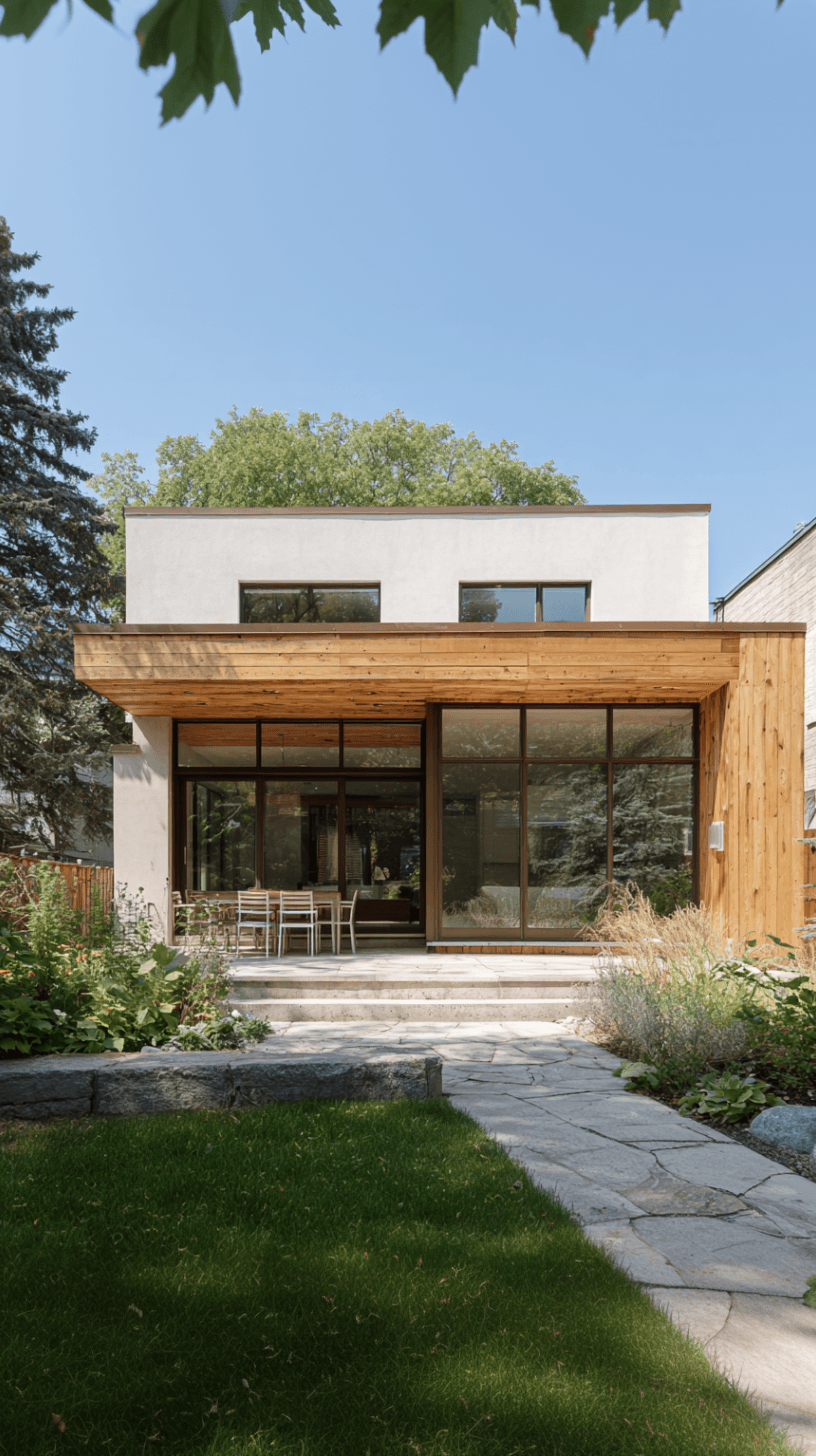
Adding a traditional home extension can quickly turn into a financial and logistical headache. Between labour shortages, fluctuating material prices and Quebec’s unpredictable weather, projects often stretch over several months. That is why more and more owners of single-family homes, especially bungalows commonly found in the suburbs of Montréal, Québec City or Sherbrooke, are turning to modular additions, also known as factory-built extensions.
Built in a factory and protected from the elements, this option can offer better control over quality, timelines and certain costs. However, planning this type of project requires a clear understanding of the underlying costs to avoid surprises. This complete guide breaks down current prices in Quebec, the factors that influence the final cost and the essential regulatory steps involved in carrying out your residential expansion project.
What Is the Price per Square Foot for a Modular Extension?
Source: 9526-6607 quebec inc
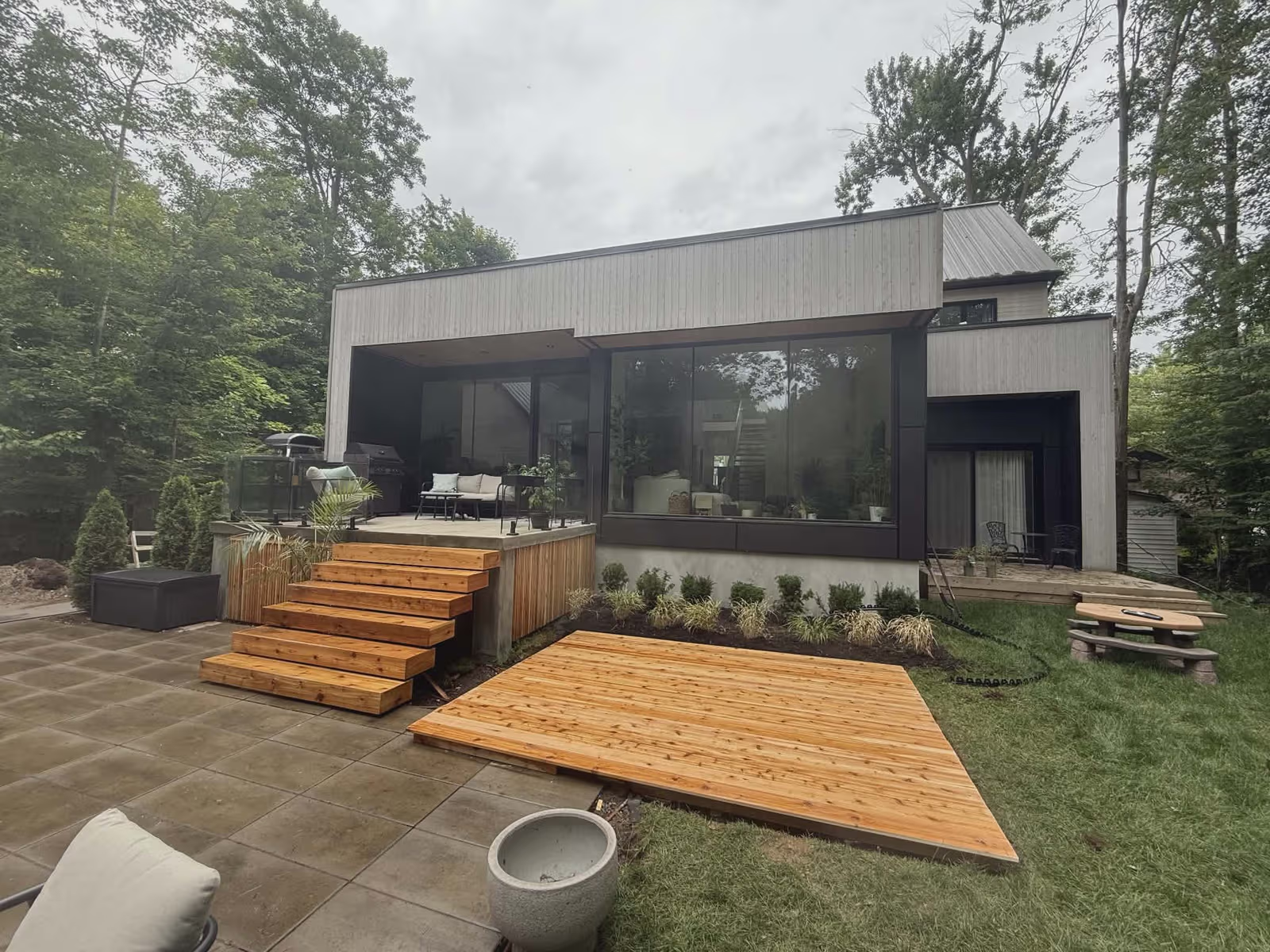
The budget for a factory-built extension is mainly based on the desired surface area, expressed in square feet, as well as the level of finishing selected. Compared to some traditional construction projects, the cost of factory production is generally more predictable.
As a general indication, the cost of a prefabricated module can often range from $200 to $400/sq. ft., depending on the level of finishing, but the final price of an addition can vary significantly based on the foundation, connections, site access and the junction with the existing house. This amount can also vary depending on whether you choose a “shell only” option, where the module is delivered insulated with doors and windows, but the interior remains unfinished, or a turnkey option, where divisions, electrical work, plumbing and interior finishes are included.
Estimated Cost Comparison by Size
To help you visualize the investment required for your home, here is an estimate of the manufacturing costs for a factory-built module based on different standard sizes:
Module Size in sq. ft. | Typical Type of Space | Estimated Price Range, Module Only |
200 sq. ft. (ex., 10 x 20) | Home office, powder room or entrance hall | $40,000 to $80,000 |
300 sq. ft. (ex., 12 x 25) | Large primary bedroom with walk-in closet | $60,000 to $120,000 |
400 sq. ft. (ex., 14 x 28) | Spacious family room or complete studio | $80,000 to $160,000 |
600 sq. ft. (ex., 15 x 40) | Complete primary suite and open living space | $120,000 to $240,000 |
It is important to note that these amounts cover the module's design and assembly at the factory. To get an accurate picture of the total project cost, you must also include expenses for site preparation and final installation. That is why comparing quotes from recognized manufacturers remains an essential first step in your project.
Factors That Influence the Total Cost of the Addition
Source: RénotechM. Construction inc.
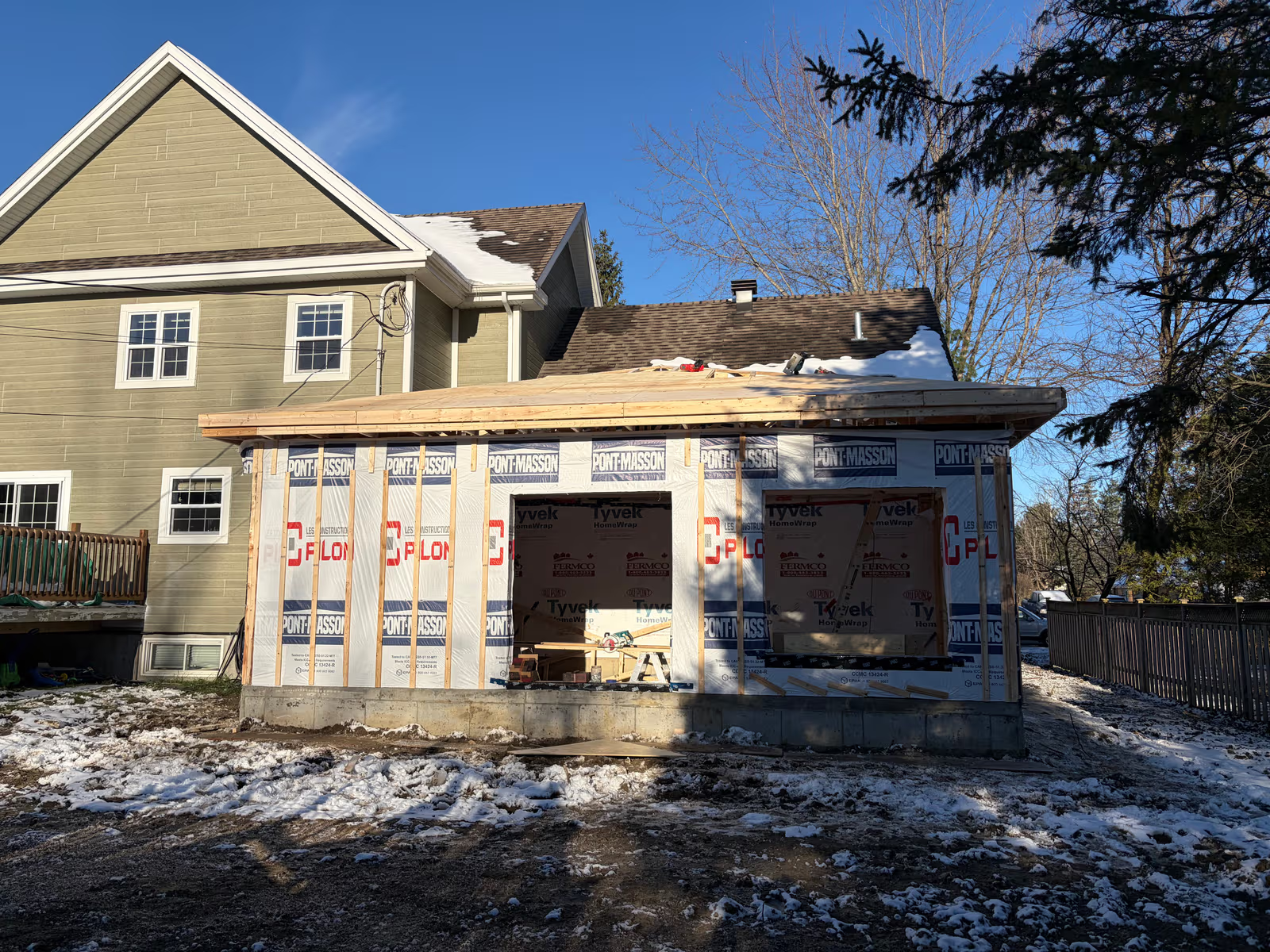
The price of the factory-built module is only part of the equation. Several on-site variables can increase or decrease the final cost of your home extension.
1. Type of Foundation Selected
A prefabricated module cannot simply be placed directly on the lawn. It must rest on a solid and stable structure that can withstand the freeze-thaw cycle of Quebec's soil. Common options include the following:
Screw pile foundation: This is the fastest and most economical option. Steel piles are anchored below the frost line. For a medium-sized module, expect to pay between $5,000 and $10,000.
Poured concrete foundation, crawl space or full basement: If you want a full basement to maximize storage space or add rooms, excavation and concrete formwork will be required. This method requires a much bigger budget, often ranging from $20,000 to $45,000, depending on soil conditions, such as the presence of rock or clay.
2. Site Access and Crane Work
Delivery logistics are a crucial cost factor. The module is transported by semi-trailer, then lifted with a high-capacity mobile crane and placed on its foundation.
If your property is located on a narrow Montréal street lined with dense electrical wires, or if the setback from the street is very large, the rental of a specialized crane and road signage fees can add several thousand dollars to the bill.
On the other hand, a bungalow in the suburbs with a large, open yard will make manoeuvres much easier and reduce the rental time for heavy equipment.
3. Connections and Architectural Junction
Connecting the plumbing, electrical system and ventilation system, such as integrating the addition with your existing heat pump or adding a wall-mounted unit, requires the work of certified professionals. In addition, creating the opening in the load-bearing wall of your current home to connect the new module requires technical care to ensure good water and air tightness.
Advantages of Factory-Built Additions in Quebec
Source: Théta Groupe conseils
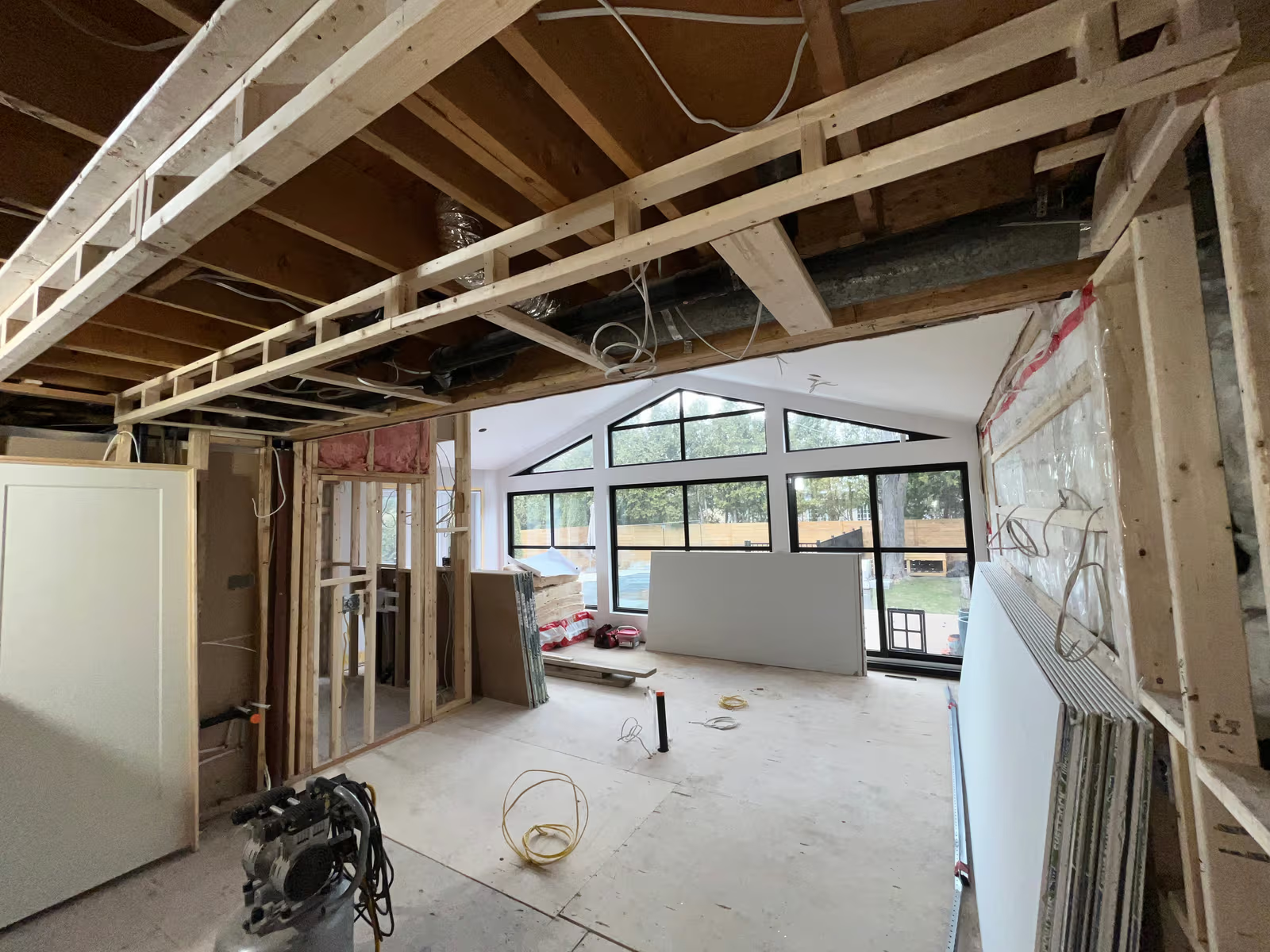
Choosing a factory-built extension offers undeniable structural and practical advantages, especially in Quebec’s climate and economic context.
Protection From Harsh Winters and Moisture
On a traditional construction site, the wood structure of your addition may remain exposed to rain, snow or ice for weeks before the roof is closed in. In a factory, assembly takes place in a dry and controlled environment. The wood is less exposed to moisture fluctuations during manufacturing, which can reduce the risk of warping, mould or structural cracking caused by prolonged exposure to the elements.
Faster Installation
While the factory manufactures your module, your general contractor prepares the foundation on your property. Once the module is delivered, the basic installation and roof enclosure are generally completed in a single day. Connections and finishing work may then take a few weeks or longer, depending on the project's complexity, required inspections and planned finishing work. Instead of dealing with a dusty construction site in your yard for three to six months, the disruption to your family routine is often concentrated around a few key stages, depending on the project's complexity.
Fewer Financial Surprises Thanks to Industrial Construction
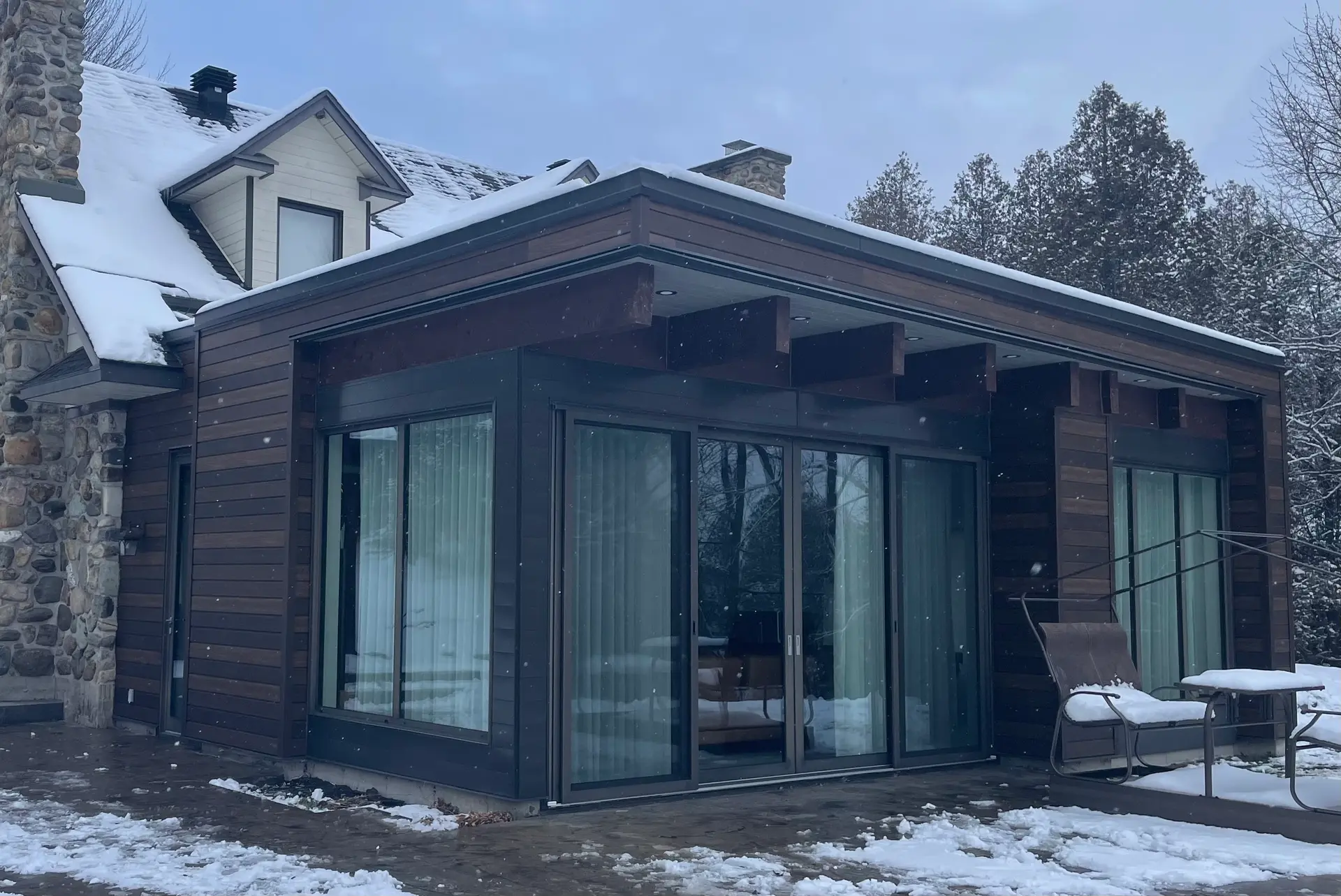
Source: Groupe Beaulieu construction
One of the biggest sources of stress during major renovations is the well-known “cost overrun.” On a conventional construction site, discovering a hidden structural problem or experiencing weather-related delays can quickly increase the bill by 15% to 20%.
A modular approach can reduce part of that uncertainty:
Often, a more structured contract: The manufacturing cost of the module is generally determined in advance when the factory plans are signed. As long as you do not change your material choices along the way and the conditions set out in the contract are respected, this price is easier to control.
Labour optimization: Factory workers operate in an assembly-line environment with specialized, high-precision tools. Factory production can reduce certain material losses and improve production efficiency, which can help control costs.
Rigorous planning: Before production begins, an architect’s or architectural technologist’s plan is produced by the factory to ensure that each component fits together with precision.
Regulations and Permits Required to Expand Your Home
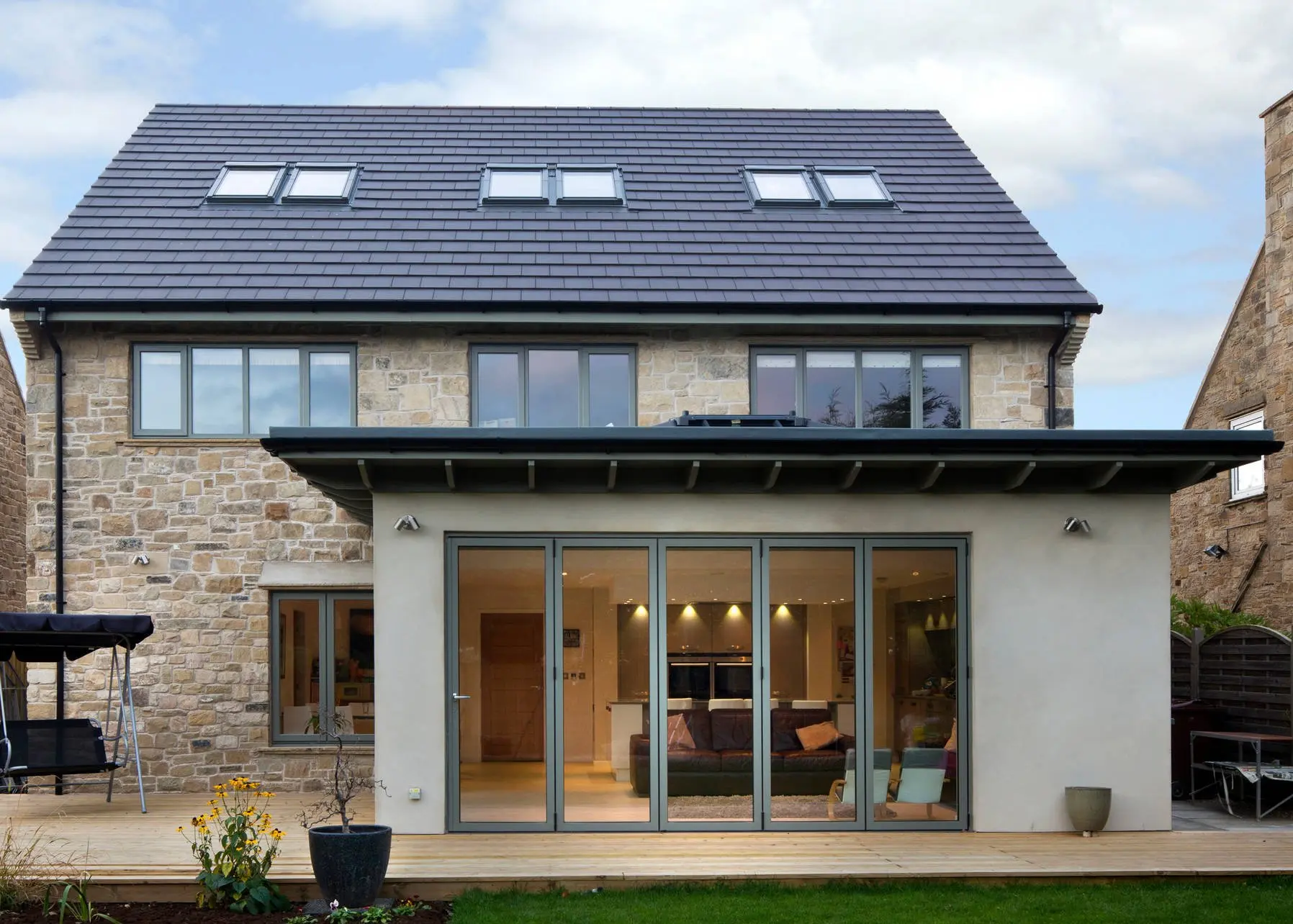
Source: Lexicon Design Build Corporation
The administrative aspect should never be overlooked. Even if your addition is manufactured in a factory, it must comply with all provincial laws and municipal regulations in effect in Quebec.
RBQ Licence Requirement
If you entrust the work to a company or paid individual, they must hold a valid RBQ licence and the appropriate subclasses. Some work can be performed by the homeowner on their own house, but important exceptions apply, especially for electrical and gas work.
Hiring a licensed contractor gives you access to protections associated with the RBQ licence, including the licence security bond when the applicable criteria are met. You must also verify that the contractor holds the right subcategories for the work involved. Be sure to validate this number during your selection process.
Insulation Requirements Under the Construction Code
Quebec applies strict criteria for energy efficiency. Your modular addition must comply with the applicable requirements of Part 11 of the Building chapter of the Quebec Construction Code, particularly regarding thermal resistance, thermal bridge mitigation and the performance of openings.
This regulation imposes high minimum thermal resistance values for walls, ceilings and floors exposed to frost. Fortunately, factory construction can make it easier to meet, or even exceed, these standards through the use of thermal breaks and high-performance injected insulation. Good insulation helps improve comfort during periods of intense cold and can reduce your long-term energy bills, a point also encouraged by Hydro-Québec energy-efficiency programs.
Municipal Urban Planning and SPAIP Process
Before signing any purchase contract for a module, visit your municipality’s urban planning department with a sketch of your project. You must obtain an official building permit. Several elements will be reviewed:
Setbacks: The minimum distance required between your new addition and your property lines, including neighbouring lots and the street.
Site coverage ratio: The maximum percentage of your lot that can be covered by buildings.
SPAIP, or site planning and architectural integration program: In some municipalities, or in certain sectors covered by a SPAIP bylaw, the project may need to be reviewed by the planning advisory committee before being approved by the municipal council. This committee evaluates whether the style, exterior cladding and colour of the factory-built extension harmonize with the original architecture of your bungalow and the style of the neighbourhood.
To make sure you can move through these steps without unnecessary complications, consider starting a certified quote comparison process to find the right professional partners for your modular addition project.
Looking for something else?
Related articles
The latest industry news, interviews, technologies, and resources.
Cynthia Pigeon
•10 Aug 2026
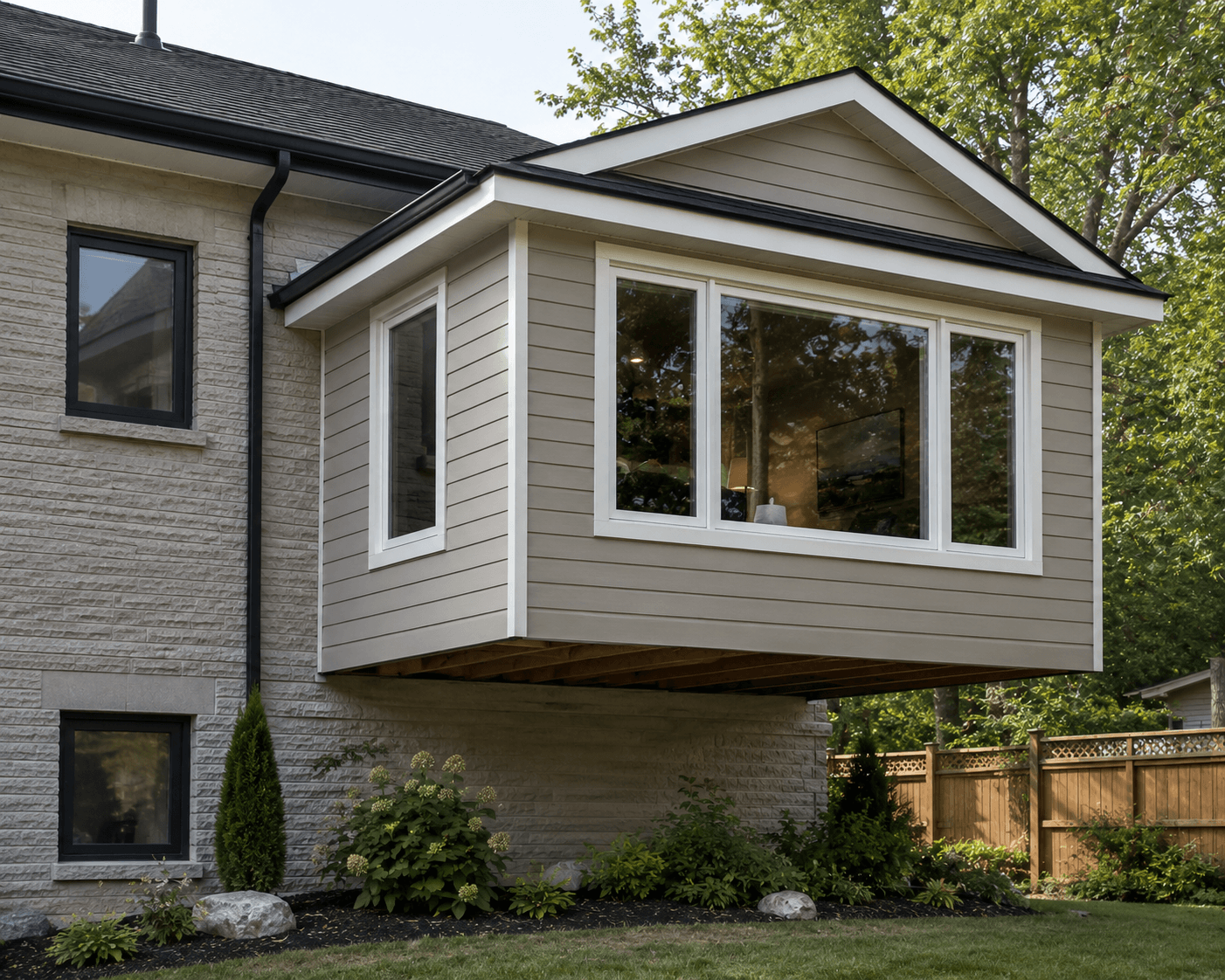
Expanding your home can be an exciting project; however, the prospect of excavating your property, damaging your landscaping, and pouring new concrete foundations below the frost line can discourage many homeowners. In Quebec, for example, foundations are commonly installed approximately 1.2 m to 1.5 m below grade. For owners of bungalows, single-storey homes, or two-storey houses looking to add a bathroom, make a kitchen bigger, or create a four-season sunroom, a cantilever home addition can be a particularly practical architectural solution.

Editorial Team
•10 Sep 2026
A house extension in Canada costs $250 to $450 per square foot in 2026, putting most full additions between $100,000 and $300,000. A bump-out starts near $30,000, while a second-storey addition in Toronto or Vancouver regularly passes $500,000.
Cynthia Pigeon
•26 Jun 2026
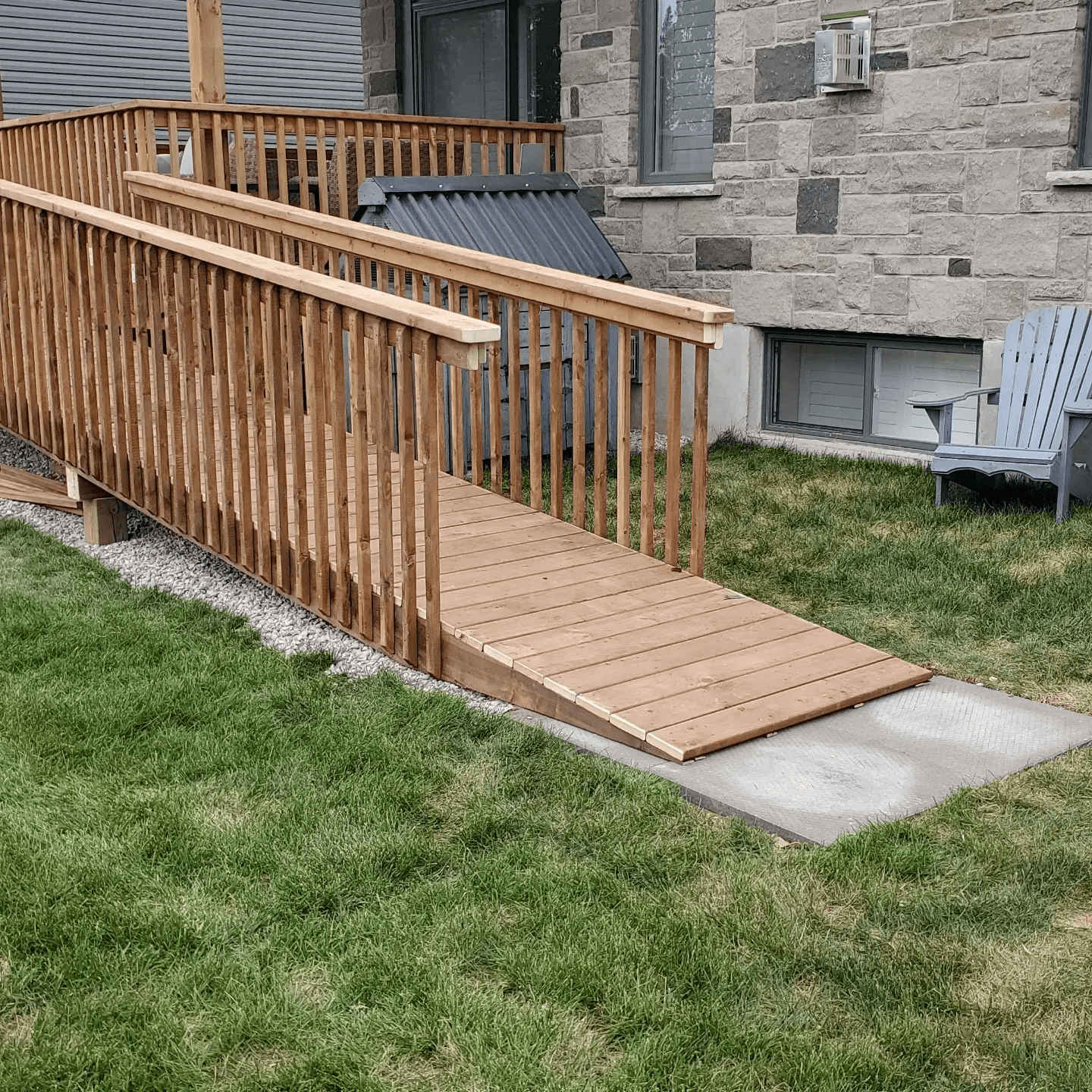
Universal accessibility is a major issue for residential property owners, commercial building managers, municipalities and building professionals. In Quebec, building an access structure requires careful planning to ensure the safety of people with reduced mobility. Depending on the type of building, its use and the municipality, the project may have to comply with the Quebec Construction Code, municipal requirements and best practices adapted to Quebec’s climate.

Karine Dutemple
•08 Nov 2023
Do you have lots of energy to spare and are thinking about buying a house to flip it? Take a look at these few examples of flips to find ideas for this large-scale project!

Cynthia Pigeon
•08 Nov 2023
Are you looking to close off your double living room, kitchen, closet, or guest bedroom? The space itself is already divided, all you need is a door, really. Hinged, swinging, sliding, pocket, folding, pivoting: there are a ton of door models out there, and you are bound to find one that will fit your needs, and that will not clash with your decor.