Building a Pool House in Canada: Permits, Codes and Planning Rules
By Cynthia Pigeon
Updated on May 7, 2026
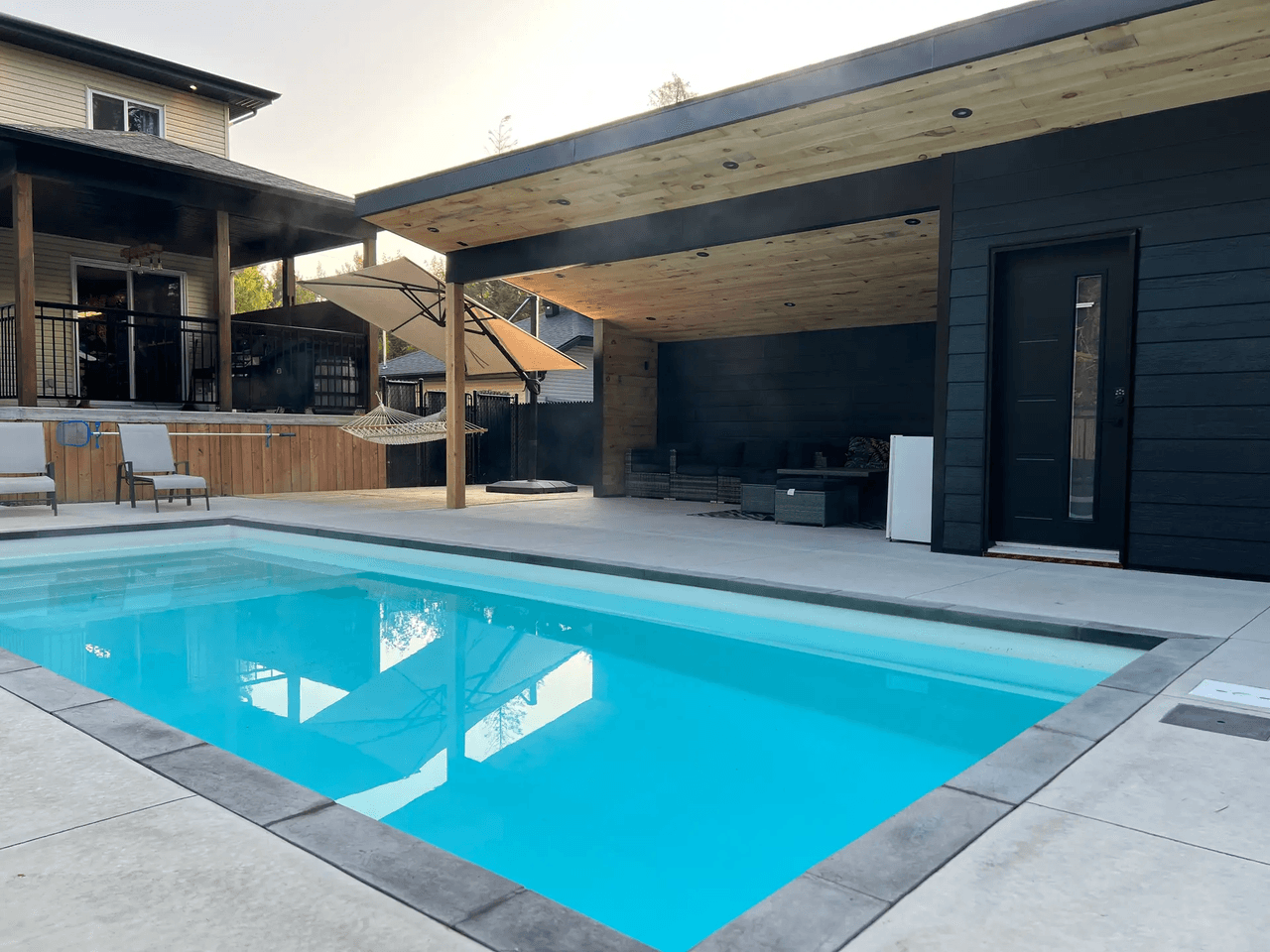
Building a pool house in Canada usually requires a building permit and strict compliance with local setback rules. These setbacks vary by municipality, but they often determine how close your structure can be to property lines, fences, neighbouring buildings and easements. Any electrical or plumbing work should be completed by qualified, licensed trades in accordance with provincial regulations. Your pool house must also respect local pool safety requirements to ensure it does not create unsafe or unsupervised access to the swimming area.
A High-End Backyard Project That Requires Careful Planning
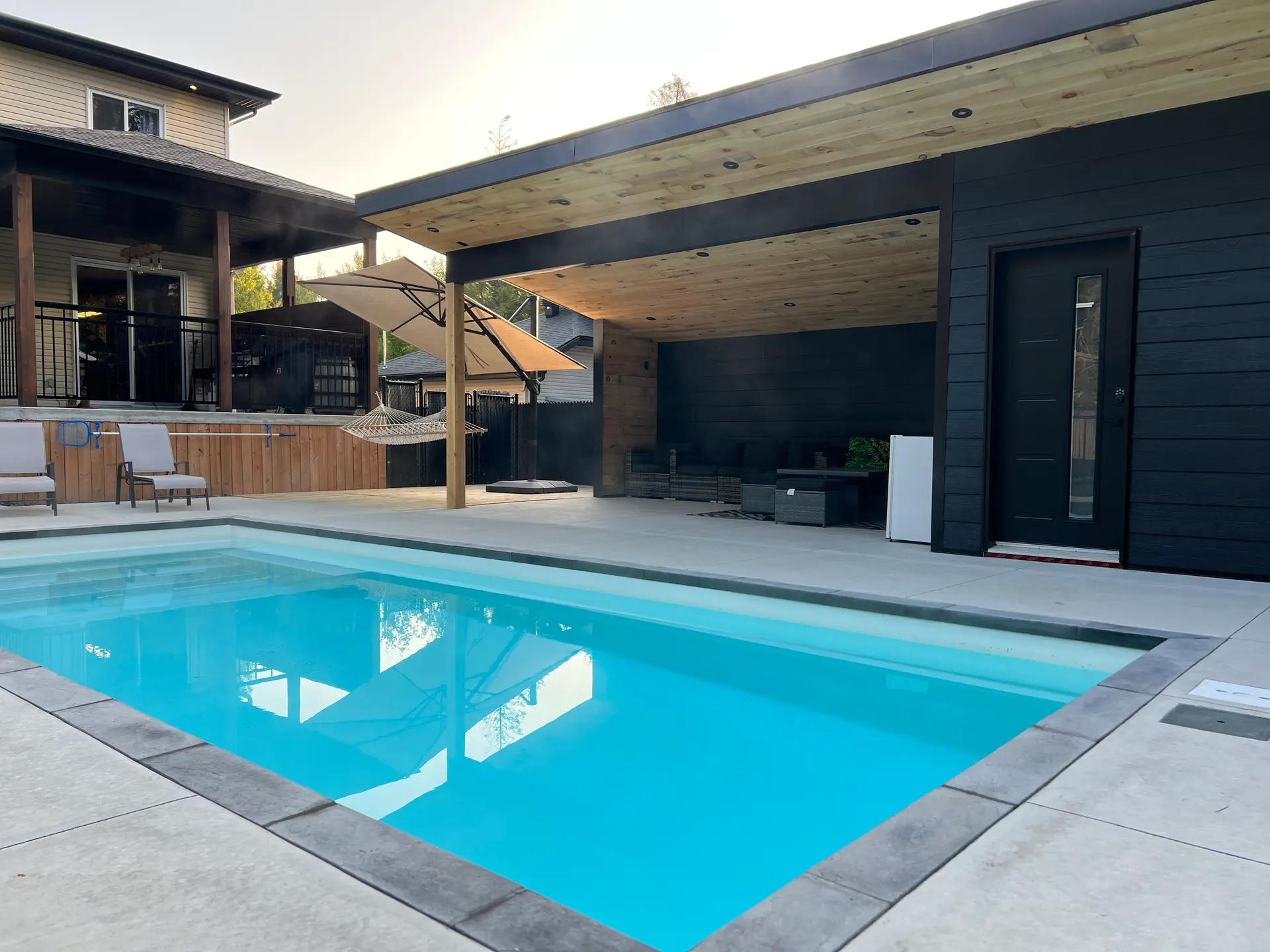
Source: VitAPiscine
Adding a pool house can completely transform the way you use your backyard. For Canadian homeowners, this type of upscale project is not only about appearance; it must combine comfort, functionality and durability in a climate that can be demanding. Between winter freeze-thaw cycles, snow loads, drainage concerns and local building rules, planning a pool house requires more than choosing a nice design.
When done properly, a pool house can add practical value to your property, but every step, from the foundation to the roof, needs to be designed with local regulations and weather conditions in mind.
Understanding Setbacks and Placement on Your Property
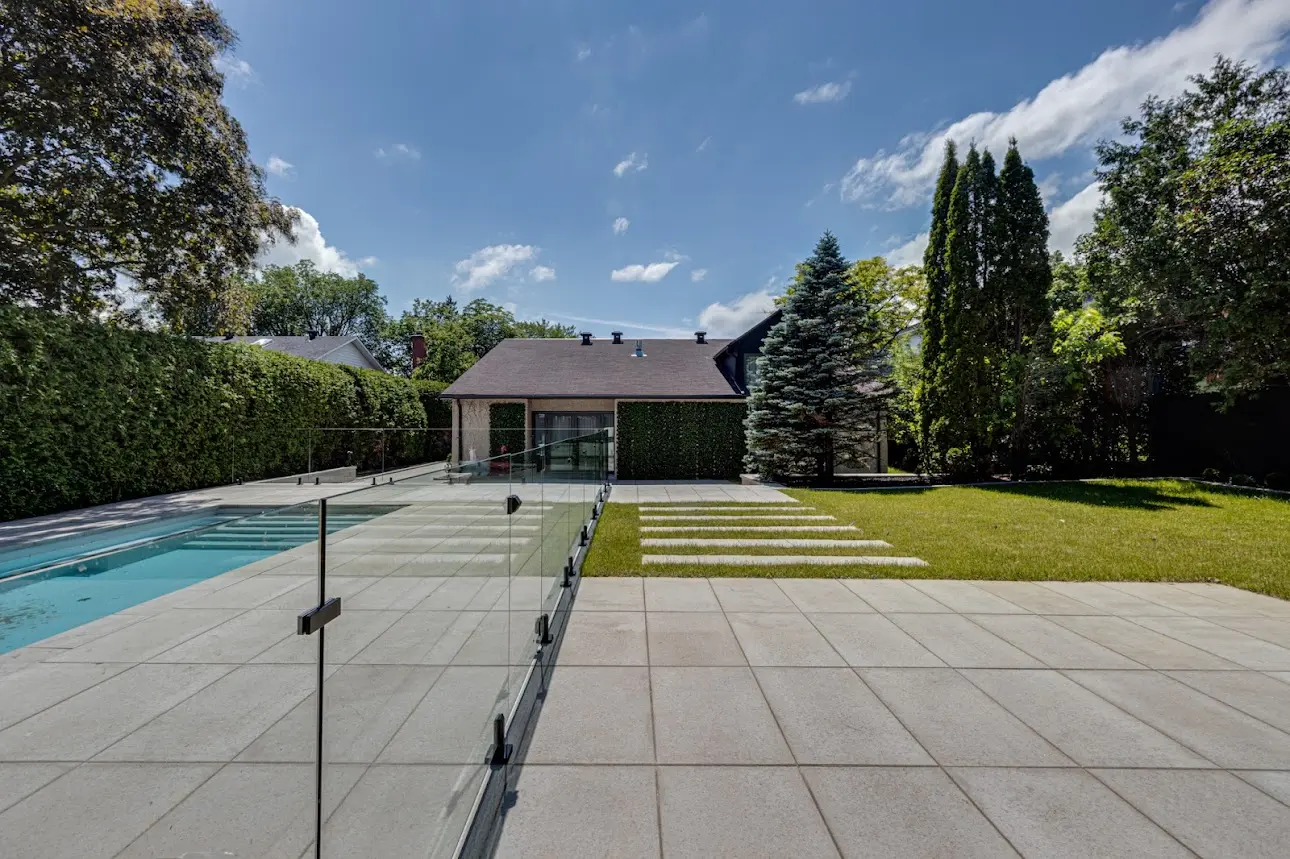
Source: Aménagement DDL
Before choosing materials or shopping for outdoor furniture, the first step is determining where the pool house can legally be built. Across Canada, zoning bylaws are handled at the municipal level, which means the rules can vary significantly from one city or town to another.
Minimum Setback Requirements
Most municipalities set minimum distances between accessory buildings and property lines. These setback requirements may vary depending on the size of the lot, the zoning category, the presence of neighbouring structures and whether the pool house includes plumbing, electricity or a full foundation. These rules are not just administrative. Setbacks help reduce fire risks, protect privacy, maintain safe drainage patterns and prevent rainwater or snowmelt from being directed onto a neighbouring property.
Lot Coverage and Building Footprint
Municipalities also limit how much of your property can be covered by buildings, including the main house, garage, shed, deck and pool house. This is often referred to as lot coverage. If your pool house is larger or includes a bathroom, kitchenette, mechanical room or enclosed living area, the permit requirements may become more detailed. In colder regions of Canada, the foundation may also need to be designed to resist frost movement, which could involve a concrete slab, frost-protected foundation or engineered piles, depending on the project.
To get an accurate idea of the costs related to land preparation, you can consult experts in excavation and foundations.
Electrical and Plumbing Work: Hire Qualified Trades
In Canada, electrical and plumbing work must comply with provincial building codes, safety regulations and trade licensing requirements. These are not usually suitable DIY tasks, especially in a structure located near a swimming pool.
Electrical work: This may include lighting, GFCI-protected outlets, pool equipment connections, heating, air conditioning or outdoor kitchen components.
Plumbing work: It may include sinks, drains, outdoor showers, toilets, water supply lines and winter shut-off systems. A licensed plumber can ensure the system is properly installed, vented, drained and protected against freezing.
Failing to use qualified trades can create safety risks, lead to failed inspections and potentially affect insurance coverage in the event of a fire, leak or other damage.
Outdoor Showers and Kitchenettes: Planning for Winter
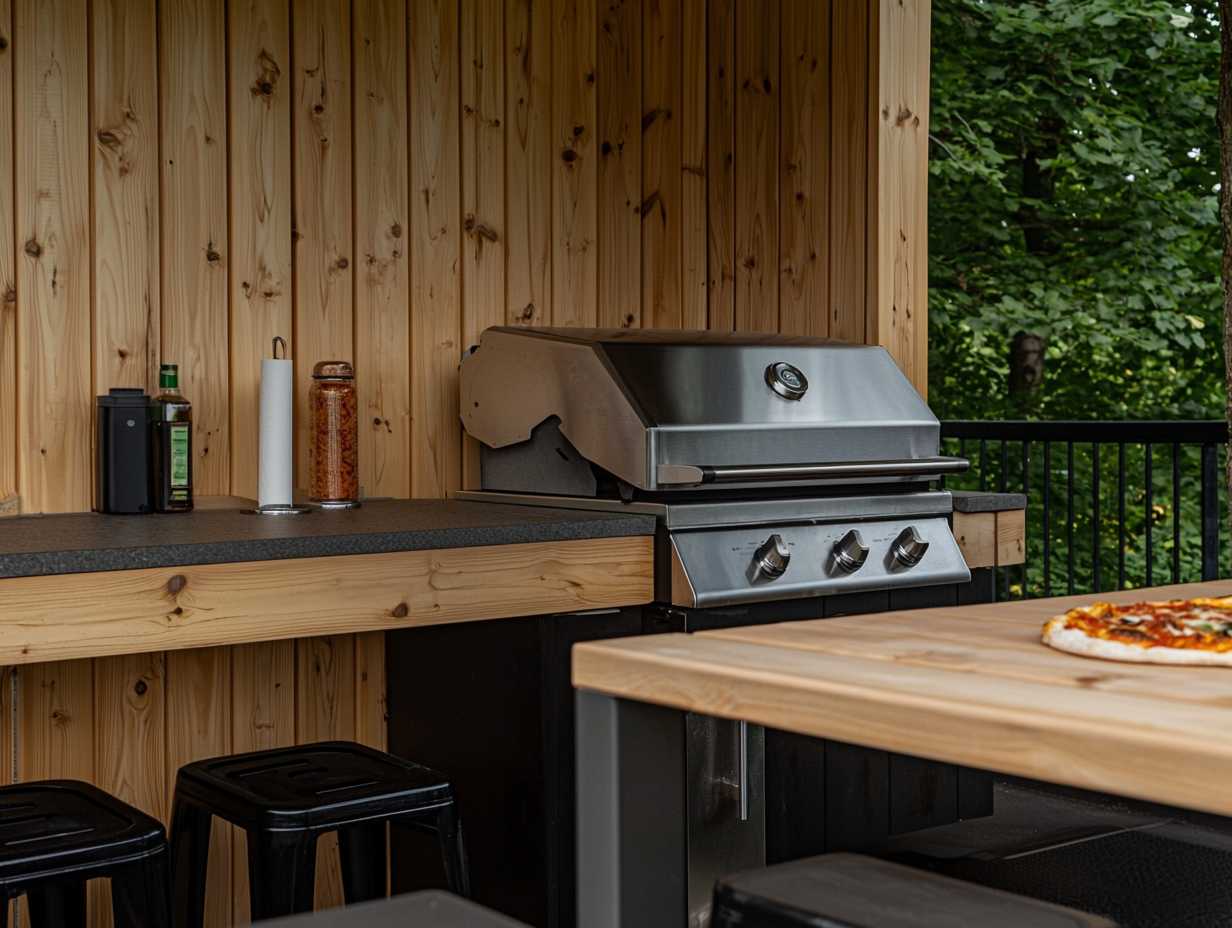
Source: RenoQuotes
Outdoor showers and kitchenettes are popular features in high-end pool house projects. However, in most Canadian provinces, winter conditions must be considered from the start.
Winter drainage: Any plumbing system exposed to freezing temperatures should be designed with proper drainage and accessible shut-off points. Before winter, water lines may need to be shut off, drained and protected to prevent frozen pipes and damage.
Water heaters: If you plan to include hot water, compact or tankless water heaters can be useful, but they must be installed in a way that allows safe maintenance and winterization. In colder regions, mechanical components should be located in a protected area or fully drained before freezing temperatures arrive.
Pool Safety Rules and Access Control
Source: Groupe Argon inc.
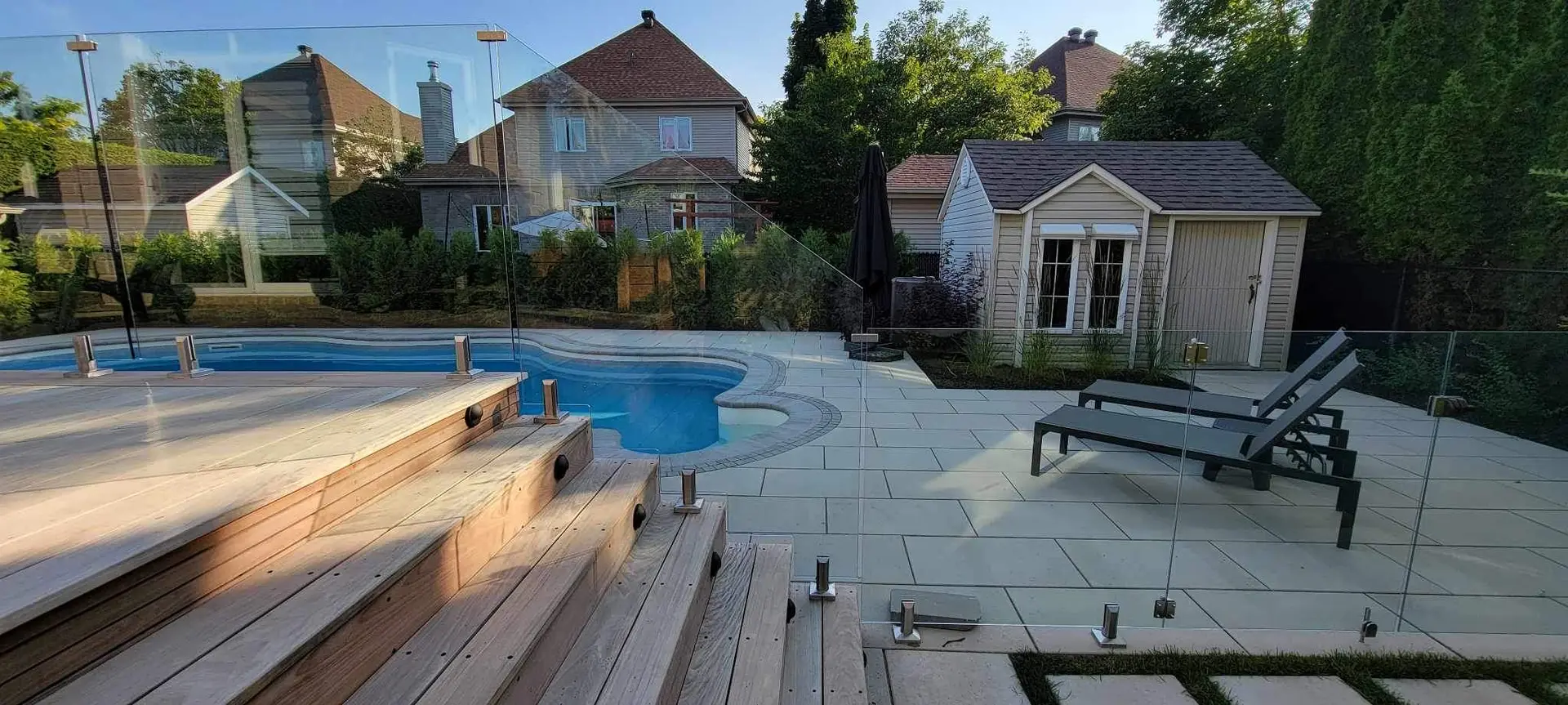
Pool safety rules vary across Canada, and many municipalities have specific requirements for fences, gates, locks and access points around residential pools. Your pool house becomes part of this safety system if it is located near the swimming area.
Doors and windows facing the pool area may need secure locks, self-closing hardware or other safety features, depending on your local bylaws. Pool fences are also typically required to meet minimum height and opening-size standards, although the exact measurements vary by province and municipality.
Before finalizing the design, confirm the applicable pool enclosure rules with your local building or planning department.
Choosing Materials Built for Canadian Weather
A pool house should be attractive, but it must also withstand Canadian weather conditions. Depending on where you live, your structure may face heavy snow, strong winds, freezing rain, high humidity, intense summer heat and major temperature swings.
Roof structure: The roof and framing should be designed according to applicable building code requirements, including local snow loads. These loads vary across Canada, so a design suitable for Vancouver may not be appropriate for Ottawa, Winnipeg, Halifax or northern communities.
Exterior cladding: Durable exterior materials are especially important. Engineered wood, fibre cement, metal siding, masonry, stone veneer and high-quality treated wood can all be good options depending on the design and budget. Lower-quality plastics or lightweight exterior products may become brittle, fade or warp over time, especially in areas with intense cold or strong sun exposure.
Windows and doors: If you want to use the pool house in spring or fall, consider insulated windows and doors. Double-glazed units can help reduce condensation and improve comfort during cooler months.
Flooring and slab: A reinforced concrete slab is often a practical choice for a pool house, especially when the structure includes plumbing, storage or mechanical equipment. Durable floor coatings, such as epoxy or polyaspartic systems, may help protect the surface from moisture, foot traffic and pool chemicals.
To explore the different options for durable coverings, you can consult this guide on shopping for finishing materials.
Do You Need a Building Permit for a Pool House?
Source: Aluminium sauvé inc.
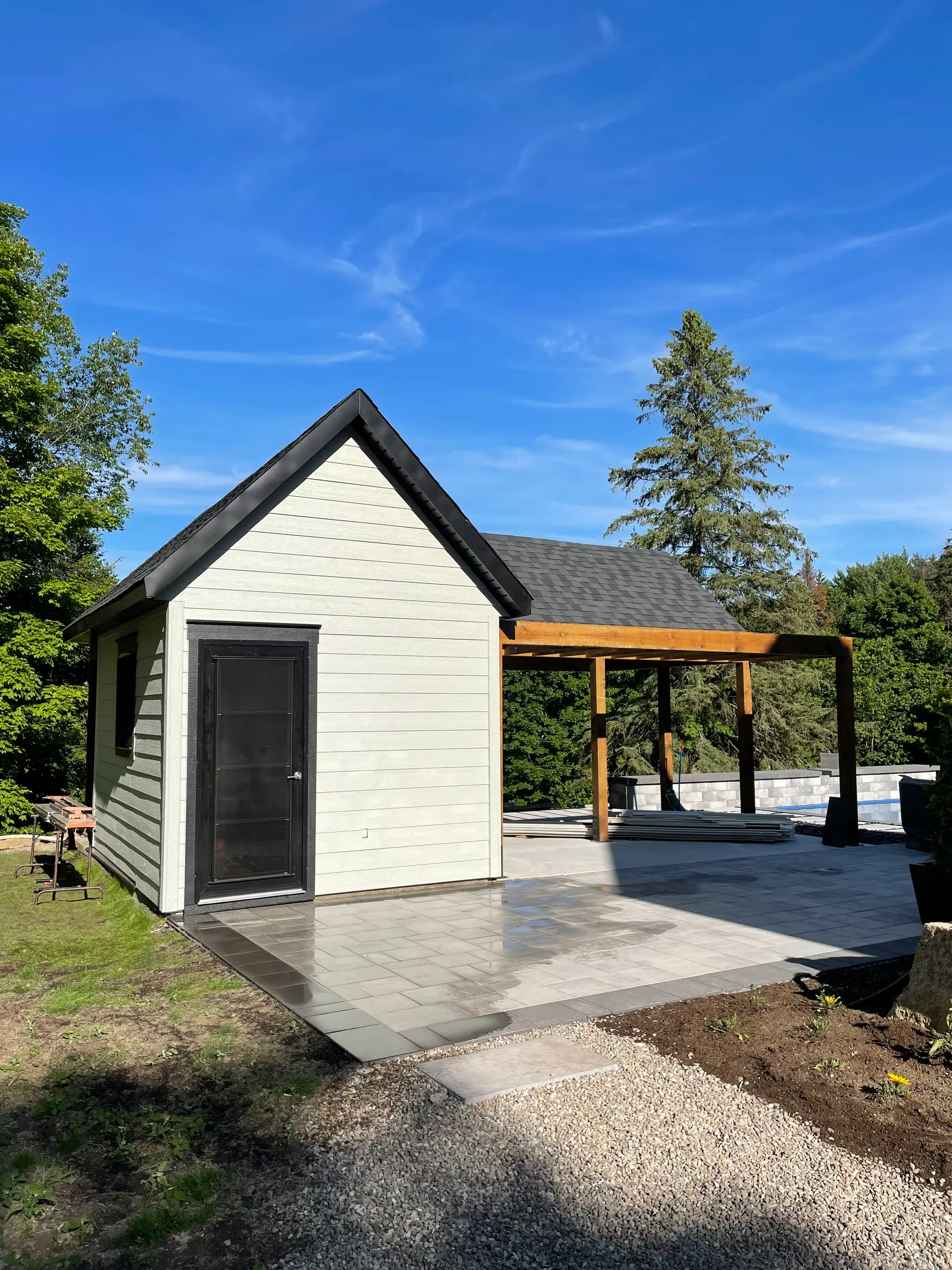
In most Canadian municipalities, the answer is yes. A pool house is usually considered an accessory building, and a permit or authorization is commonly required before construction begins.
You may need to provide:
A current site plan or survey showing the proposed location
Construction drawings with elevations, dimensions and foundation details
Information about exterior materials
Details about plumbing, electrical work or mechanical equipment
Septic system information, if the property is not connected to municipal services
Pool enclosure details, if the pool house affects access to the swimming area
Permit timelines can range from a few weeks to several months, especially during the spring and summer construction season. Contacting your municipality early can help prevent delays, design changes or compliance issues once the project is underway.
A Durable Pool House Starts with Proper Planning
Building a pool house in Canada requires more than a beautiful backyard concept. Between municipal permits, setback rules, pool safety requirements, licensed trades, winterization and weather-resistant materials, every detail matters. By planning the project carefully and working with qualified professionals, you can create a pool house that is practical, elegant, compliant and built to handle Canadian conditions for years to come.
Looking for something else?
Related articles
The latest industry news, interviews, technologies, and resources.
Équipe éditoriale
•08 Nov 2023
It could easily be argued that the bathroom sink is the centrepiece of the room, setting the tone for how the room functions. You may not have given it too much thought, but the sink you choose for your bathroom should be picked in relation to your lifestyle.
Editorial Team
•04 May 2026
Choosing the right heat pump for a Canadian home means looking at more than just the price. Homeowners also need to consider the size of the space, energy efficiency, winter performance, refrigerant type, warranty, and whether the system is made for one room, several rooms, or the whole house.

Amanda Harvey
•08 Nov 2023
Industrial style is excellent for the homeowner who is looking for a concept that lacks any sort of pretentiousness. The visual appeal and charm of industrial style lie in its ability to showcase utilitarian surfaces, stripped-back architecture and salvaged objects. If you’re looking to celebrate humble materials, then this is the home decor option worth considering!
Editorial Team
•23 Jul 2026
Bad weather, poorly maintained buildings, evolving energy-related requirements… Those who have kept abreast of current events over the last few years know that many residential buildings in Montréal need renovation. For many small building owners, the financial aspect often prevents them from doing so. Luckily, grants like RénoPlex, available through the City of Montréal, are designed especially for citizens.
Editorial Team
•21 May 2026
Curious if concrete floors can be painted or coloured, or if they're compatible with an underfloor heating system? Wondering if a DIY concrete floor installation is achievable or best left with the pros? And, what type of contractor should you hire for the job? This article covers all these questions and more, offering valuable insights to help you decide whether concrete flooring is the right option for your home or business.