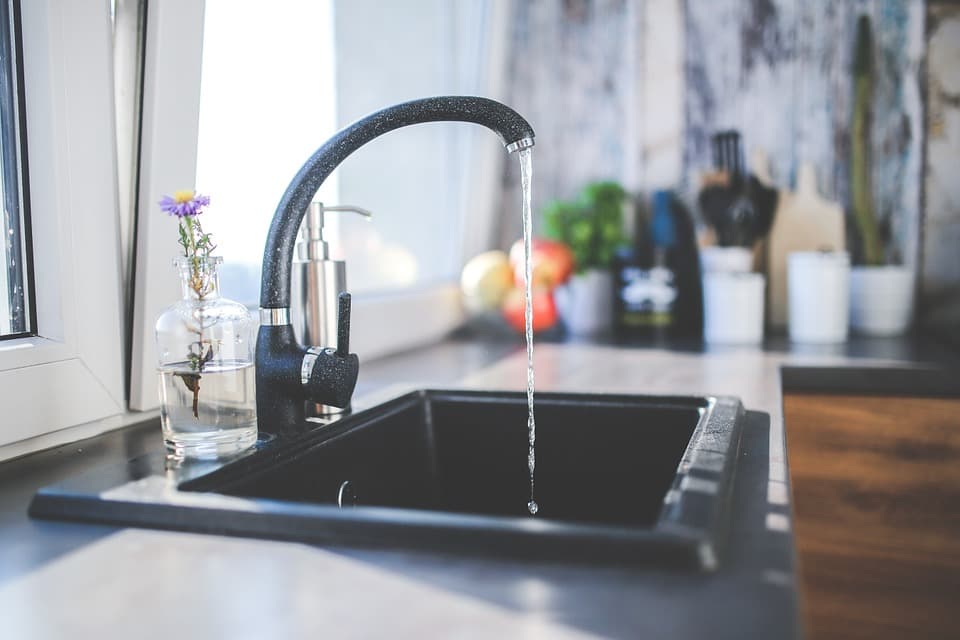
The saying “everything but the kitchen sink” is one you’ve surely heard many times in your life. This speaks to the importance of the kitchen sink and since it is used multiple times on a daily basis, it’s essential to settle on a design you’ll love to look at and use constantly. We’ve prepared this guide to help you choose the sink that’s right for you!
Over the years, the sink has not had any revolutionary additions but it has come a long way from being strictly functional. These days, you can find kitchen sinks in countless colours, shapes, and finish materials. While still a washbasin, some new styles of kitchen sinks even include accessories, colanders and cutting boards.
Sink bowl specifications
Kitchen sink basins are most often found in three styles:

Photo: Flickr
Single bowl sink
This is bar far the most standard type of kitchen sink bowl and one you’ve no doubt come across, perhaps even within your own kitchen. Tried, tested and true, the single bowl is wide and open, which is great for washing large dishes as well as cookware. Single bowls are also somewhat deeper than other bowl styles, making it even more functional. For kitchens where space, especially counter space, is an issue, single bowls are a great choice as they tend to take up less room, with an average width of 33 inches. However, if you have lots of space in your kitchen, single bowls are a perfect choice as an extra prep sink or even for soaking large pots and pans.

Photo: Pixabay
Double bowl sink
The double bowl option is definitely more lavish in a design sense as it is more commonly found in homes with updated kitchen spaces and tends to evoke a contemporary feel. The double basins allow you to use each basin separately for instance, soaking dishes on one side and rinsing food on the other. Thanks to the separation between both bowls, you will have a physical distinction between what you do with both basins.
The average width of a double bowl sink is 48 inches, making it ideal for a kitchen that has enough counter space that a sink of this size wont encroach on your prep space. In some cases, you will find double bowl sinks where each bowl is different in size or one side may be more shallow than the other. Typically, these sinks are found in 50/50, 60/40, and 70/30 configurations. Keep in mind that the smaller bowl may work best for drying dishes or produce, as the smaller size may make it difficult to wash and maneuver larger dishes.
Three bowls
These are easily the largest style as they incorporate the most room for a sink. Very similar in design to a double bowl sink, the main difference is a small, relatively shallow basin located in between the two sides used for rinsing and prep. Additionally, the small prep sink may actually serve as a place for accessories like a cutting board or colander. On average, these sinks are very wide, at 60 inches wide, therefore they only really make sense in kitchen spaces with ample countertops.
Types of sinks
Undermount Sinks
These types of sinks are installed from underneath the counter, which gives them their name. With the sink being inserted into the counter from below, it means there aren’t any exposed edges, giving this style a clean and seamless look. An added benefit of having no edges around the sink means easier clean up as dirt will not accumulate around and under the sides as easily. Moreover, without the added lip for counter support dirt can be simply swept into the sink with a sponge, making countertop cleaning simple as can be!
Drop-in Sinks
Drop-in sinks are the most common and are usually the simplest to install. This sink is inserted into the counter's top opening through the top with its edges resting on the countertop. Caulking is then used to seal the edges along the countertop.
Farmhouse/Apron Sinks
Farmhouse or apron sinks are probably the most visually appealing kitchen sink style. This is because they stand out from the rest, featuring an exposed front that, visually, distinguishes it from the rest of the counter. The name comes from the rustic sense this design elicits. Farmhouse sinks feature a very large and deep basin that can handle pots, pans, and even a small dog. This sink should be installed as an undermount to avoid seeing its edges and to be easier to maintain. Remember, due to their size and weight, farmhouse sinks need to be installed within a strong countertop material.
Bar Sinks
Bar sinks are much smaller than a standard sized kitchen sink. Therefore, they are not practical as standalone sinks are unlikely to be able to handle the daily workload in your kitchen. This makes bar sinks particularly ideal as an additional prep space in your island. These come in rectangular, square and round shapes and are found in both undermount and drop-in styles to suit any island or small countertop.

Photo: Flickr
Some of the various sink materials
Choosing the sink material is quite the endeavour considering how many options you have. It is important to consider first what the sink will encounter: do you prep food daily, do you alternate between extremely hot and cold water streams often, etc. Will the material be easy to clean or resist scratches easily or not at all? Also, will the material require special attention in terms of upkeep and care?
Stainless steel is easily one of, if not the most, popular finish for kitchen sinks and appliances throughout the space. Stainless steel sinks are lightweight depending on their gauge (measure of steel's thickness), so the higher the gauge, the thinner the steel. Popular for its exceptional functionality, a stainless-steel sink can take a beating as they are very heat and stain resistant. Choosing a brushed finish for your steel sink will help scratches and watermarks from being obvious. The only real downside to this material is the sound that can be made when things are dropped in the sink, sound-absorbing pads that can be laid along the bottom.
Copper is a great option for those seeking something out of the ordinary. Not as common as other materials, copper offers a lot of charm in terms of its appearance while also being highly rust resistant and having antimicrobial properties. This is of course based on the purity of the copper, so you should aim for a sink that is at least 99% copper with some zinc added for additional durability. Another major benefit is how simple maintenance and cleaning are, requiring just a simple sponge and soap.
Granite remains a very popular material throughout the kitchen and the same can be said for sinks. While not the most prominent granite element within a kitchen, these sinks are exceptionally durable, being scratch, stain and highly heat resistant.
Granite composite is also a great option for those on a tighter budget. Often the result of a mix of granite and quartz particles combined with a resin for binding, this composite performs exceptionally well in kitchens. The result is a sink material that is stain, scratch and chip resistant while also delivering sound-deadening qualities. Note that cracking has been known to occur during the shipping process so make sure to carefully inspect it before it is installed.
Fireclay is a great option for those in search of a highly durable kitchen sink material that is also highly customizable. Fireclay is fired at an extremely high heat, making it very resistant to natural wearing which would cause chips and scratches under normal circumstances. It also happens to be non-porous which means that keeping it clean is very simple, often requiring just some dish soap and a sponge for scrubbing.
Solid cast iron sinks are clad in an enamel, usually a porcelain, which makes them very heavy but equally sturdy. Therefore, it is important to make sure that the cabinets and counter structures can support the added weight. Cast iron sinks can withstand temperatures up to 500 degrees Celsius while also delivering sound-absorbing qualities. If you’re searching for a white sink, this may be the choice for you, as even though it come other colors, white is by far the most popular.
Other kitchen sink components
Besides the sink, there are a couple of extra features that you can install to enhance your sink's functionality.
Garbage disposals are units installed beneath the drain that, with the flick of a switch, spin very sharp blades and allow any leftover food pieces to be pulverized, making them easier to go down the drain. This option comes at an expense but will ensure that your pipes are never clogged with food. If you’re completely updating your sink, you may wish to consider putting in a garbage disposal.
Hot water dispensers are units that are installed under the sink and are attached to a separate spout. This unit heats up water on its own so that when you turn on the separate tap, you can enjoy water up to almost 90 degrees Celsius. This is a very handy accessory for quickly preparing soups or hot beverages.
Choosing the right sink is the first major step in deciding what kind of kitchen look you’ll be striving for. With all the above-mentioned options, there is no doubt that your decision will take some time and serious thought. Always remember, with detailed jobs of this nature, it is fundamental to consult a professional contractor so you make sure you get the best guidance and the best work possible.
Author: David Ben-Zaken
Get 3 renovation quotes for your kitchen sink project
RenoQuotes.com can help you get quotes for your kitchen renovation project. If you submit your project to us, we’ll put you in contact with top-rated contractors. Fill in the form on the homepage (it only takes a few minutes), and you will get estimates from trusted professionals.
Dial 1-844 828-1588 to speak with one of our customer service representatives
Looking for something else?
Related articles
The latest industry news, interviews, technologies, and resources.
Amanda Harvey
•08 Nov 2023
The bathroom is arguably the most loved room of the home, as it is visited several times a day, morning, noon and night! With that in mind, it’s no wonder that the bathroom needs to be renovated every so often. If you’re looking for a way to give your bathroom a modern update, or you just need to take care of those rougher edges, look no further!
Editorial Team
•30 Aug 2024
While options aren’t what’s lacking when it comes to choosing a new kitchen countertop, most people are still drawn to the so-called forever classics.

Editorial Team
•06 Jul 2026
As more of us shift to working from home, managing our energy consumption has become crucial. Not only does it help in reducing our monthly bills, but it also plays a significant role in lessening our environmental impact.
Christine Simard
•08 Nov 2023
Gone are the days when the simple white sink dominated the bathroom design scene. Nowadays, in addition to this more classic, but timeless model, there are also sinks of all shapes, with colours and finishes to suit all preferences.

Amanda Harvey
•08 Nov 2023
When it comes to the kitchen, one distinct element that doesn’t seem to be going anywhere is the kitchen island. An island offers elegance and value, as these unique, multipurpose units work to enhance the amount of space available to you. A correctly situated and installed island will transform the way you use the space adding a counter, extra storage space as well as a focal point and even the potential for an extra dining area.